When a headset lists “40mm drivers” in its specs, it’s referring to the diameter of the speaker driver inside the earcup. That’s the part that physically moves air to generate sound. Bigger drivers generally push more air, but size isn’t the only factor that shapes how a headset sounds.
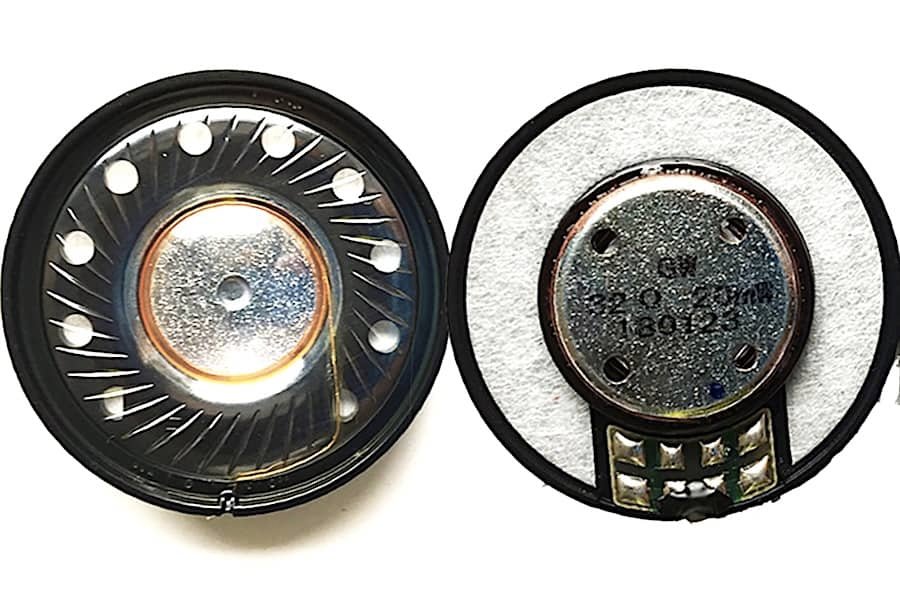
Most modern headphones use dynamic drivers, and 40mm is the most common size across gaming headsets, studio monitors, and daily-use models. From what we’ve seen in our testing, 40mm drivers give manufacturers enough room to tune bass, midrange, and treble without pushing the headset into oversized territory.
We’ve tested plenty of gaming headsets where this size makes sense. It gives you room to build out low-end punch, while still keeping weight down and earcup size reasonable.
Why 40mm Is the Standard for Headphones
40mm drivers are used in a huge range of headphones, from gaming headsets to studio-grade models. We’ve used them across multiple categories, and the result is often the same: balanced, clean sound with solid control in the mid and high ranges.
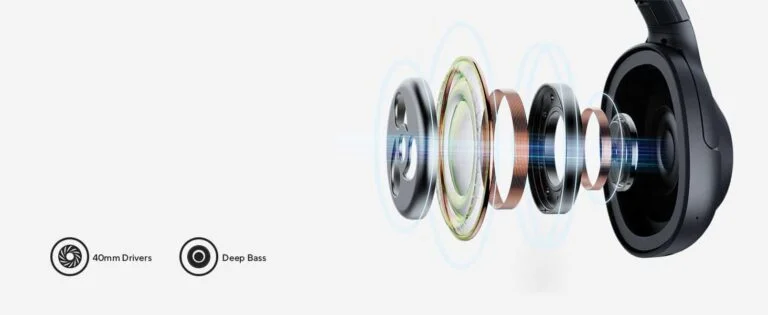
In our reviews, we’ve seen 40mm drivers hold up well for dialogue clarity, footstep detail, and ambient cues. That’s why so many brands choose this size for their default. You don’t need to overcompensate in tuning, and there’s enough physical range for decent bass without losing clarity on the top end.
There are trade-offs. Larger 50mm drivers sometimes offer deeper bass and a wider soundstage, but they also tend to bring more weight and require larger enclosures. Smaller drivers drop weight, but we’ve noticed they often struggle with bass and dynamic range. With 40mm drivers, it’s easier to hit a tuning that works across games, music, and general use without a dramatic shift in tone.
We tested the Audio-Technica M40X (40mm) and M50X (45 mm) side by side. The M50X has slightly more low-end reach, but the M40X often felt more accurate on vocal-forward content and in mixes with layered instrumentation. In day-to-day use, the difference wasn’t huge and it came down more to tuning and earcup seal than raw driver size.
How Driver Size Affects Sound Quality
We’ve tested dozens of headsets across studio, gaming, and daily-use categories, and one thing became clear early on driver size alone doesn’t decide sound quality. But with 40mm setups, we’ve consistently heard a sound that’s controlled, clean, and easy to listen to over time.
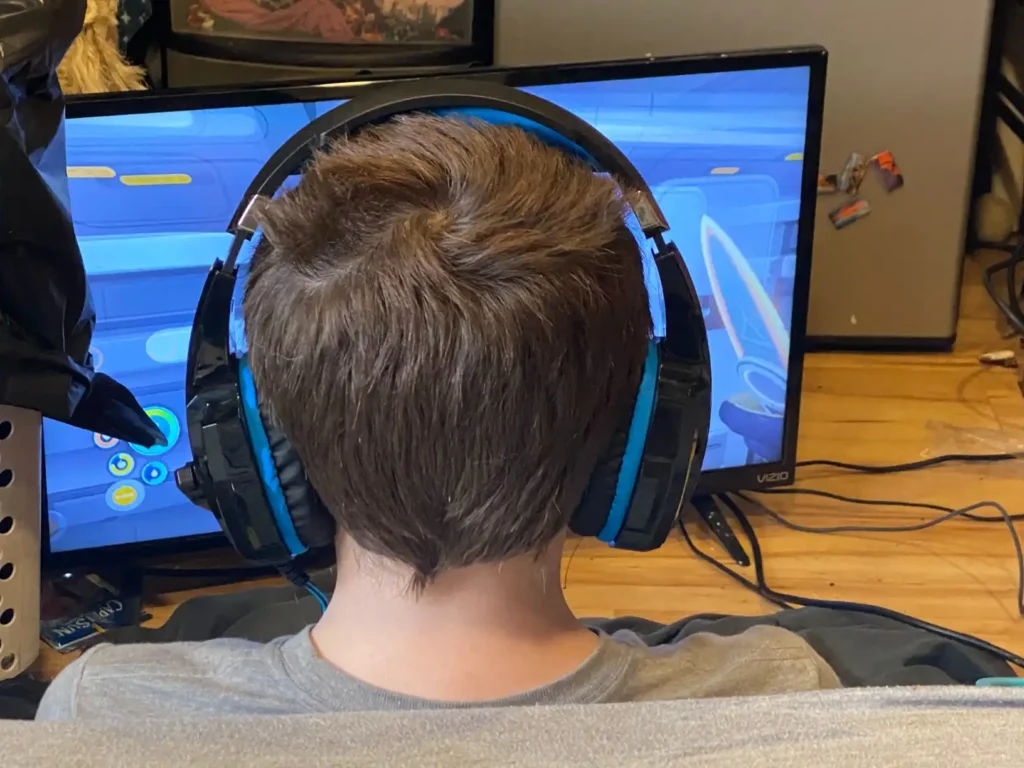
In terms of bass, most 40mm headphones we reviewed had enough weight to handle music and in-game explosions without bleeding into the mids. One of our testers used the Cloud II Wireless during late-night sessions and liked how bass notes felt punchy but stayed in their place. There was no boominess, and dialogue was always easy to follow.
Treble performance depends more on diaphragm material and tuning, but we’ve had good results from 40mm drivers using PET or carbon. In our long sessions with the Px8, we didn’t run into any harsh spikes or ear fatigue even after hours of listening. That’s not something we can say for every model with bigger drivers.
We also did an A/B test with the Audio-Technica M40X and M50X. Both sounded good, but one of us preferred the M40X because vocals came through tighter and instruments felt more separated. The M50X added a bit more low-end, but it also felt heavier in tone. Most of that came down to tuning, not driver size.
Real-World Examples of 40mm Drivers
Most of the headsets we’ve reviewed at BestTechRadar across gaming and studio categories use 40mm drivers. It’s a go-to size for good reason.
The Bowers & Wilkins Px8 has one of the best-tuned 40mm carbon drivers we’ve heard. We tested it with a mix of electronic and acoustic tracks. In both cases, transitions felt smooth and clear. Bass was clean, vocals were right where they should be, and none of the highs sounded pushed.
We also used the Adam Audio H200 in a mixing environment. The 40mm PEEK diaphragm gave us neutral playback that made it easy to spot level issues. One of our editors used it on a mixdown session for a podcast and preferred it over a larger-driver model because it was easier to tell when vocals were sitting too low.
In gaming, 40mm drivers often give just the right amount of everything enough low end for immersion, mids for footsteps and voice, and highs that don’t overwhelm. That’s why they keep showing up in headsets like the G535, HyperX Stinger, and Razer BlackShark V2 X.
When Does Driver Size Matter (and When It Doesn’t)
When we test headsets for competitive games like Valorant or Apex, we don’t just look at specs. We focus on how well a headset picks up footsteps, gun reloads, and ambient cues. Bigger drivers can sometimes help with soundstage, but we’ve noticed that ear cup shape and driver tuning usually make more of a difference.
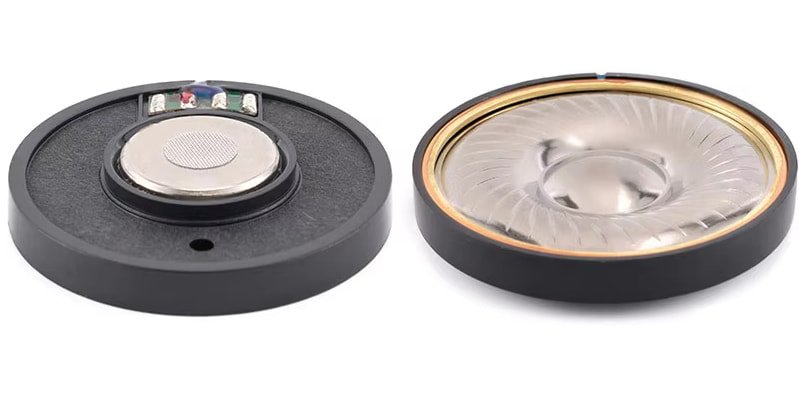
In music editing, the material and stiffness of the driver matter more than size. We’ve used small, well-built 40mm drivers that outperformed cheaper 50 mm setups just because the tuning and enclosure were better thought out.
For custom builds, 40mm is the easiest size to find. A few of us have rebuilt older HyperX and Logitech shells with third-party 40mm drivers. Fitment was simple, and once re-tuned, they actually sounded better than the original drivers. Larger sizes don’t leave much room inside the cup, and tuning becomes harder to control.
Final Take: Why 40mm Drivers Still Matter
After reviewing dozens of headsets here at BestTechRadar, we keep coming back to 40mm as the most versatile option. They’ve been in some of our favorite gaming models, our daily drivers for music, and even studio gear we trust for editing.

It’s not about size. The M40X, Px8, and G535 all use 40mm drivers and each of them held up in their category. We’ve used them for hours without fatigue, with audio that always felt focused and clean.
If you’re looking for balanced sound without bulky cups or overdone bass, 40mm still gets it right. Our testing focused on long sessions, real games, and real music rather than lab-only measurements.
FAQ: Common Questions About 40mm Drivers
Are 40mm drivers better than 50 mm?
Not always. We’ve heard tighter mids on 40mm setups and more boom on 50 mm ones. It depends on the tuning, not just size.
Why are 40mm drivers so common in gaming headsets?
They’re easy to tune for voice clarity and directional audio. Most of the headsets we tested with 40mm drivers had stronger mid/high performance out of the box.
Can I upgrade a headphone driver myself?
Yes, if the housing fits. We swapped drivers in an old Cloud Alpha just to test it worked, but only after a lot of tinkering.
Is driver size what really matters for sound quality?
Not by itself. One of our testers preferred the 40mm M40X over larger M50X models because of how balanced they felt during mix sessions.
Do 40mm drivers work well for music and gaming?
They’ve been in some of our favorite gaming models, our daily drivers for music, and even studio gear we trust for editing.