A friend tossed me a pair of Edifier W820NB headphones last year with a simple challenge: “Try these and tell me they’re not worth eighty bucks.” The brand name meant nothing to me. The price seemed too low for anything decent. But after wearing them daily for six months, then buying three more Edifier models to compare, that friend had a point.
Edifier doesn’t get the hype that Sony or Bose commands. You won’t see ads during the Super Bowl. But walk into any headphone forum and you’ll find quiet enthusiasm for their budget offerings. People who tested them expecting mediocrity ended up keeping them around.
So what’s the deal with Edifier? Are they actually good, or just cheap enough that we convince ourselves they’re fine?
Where Edifier Comes From
The company started in Beijing back in 1996 when CDs were still a thing and MP3 players felt futuristic. They built computer speakers first, the kind that sat next to chunky monitors on office desks. Nothing glamorous. Just functional audio gear that worked.
By the mid-2000s, they’d expanded into bookshelf speakers, home theater systems, and eventually headphones. The formula stayed consistent: decent sound quality at prices that undercut bigger brands by 30-50%. They never chased premium markets. The focus stayed on giving budget-conscious buyers something better than the absolute bottom tier.
Today Edifier operates globally but still manufactures everything in China. Their product lineup spans $30 earbuds to $400 planar magnetic headphones. Most models cluster in the $60-150 range where competition is brutal and margins are thin.
W820NB: The Model Everyone Recommends
My first real exposure to Edifier came through the W820NB headphones. Multiple tech reviewers praised them for sounding way better than their sub-$100 price suggested. I found a pair on sale for $72 and figured why not.
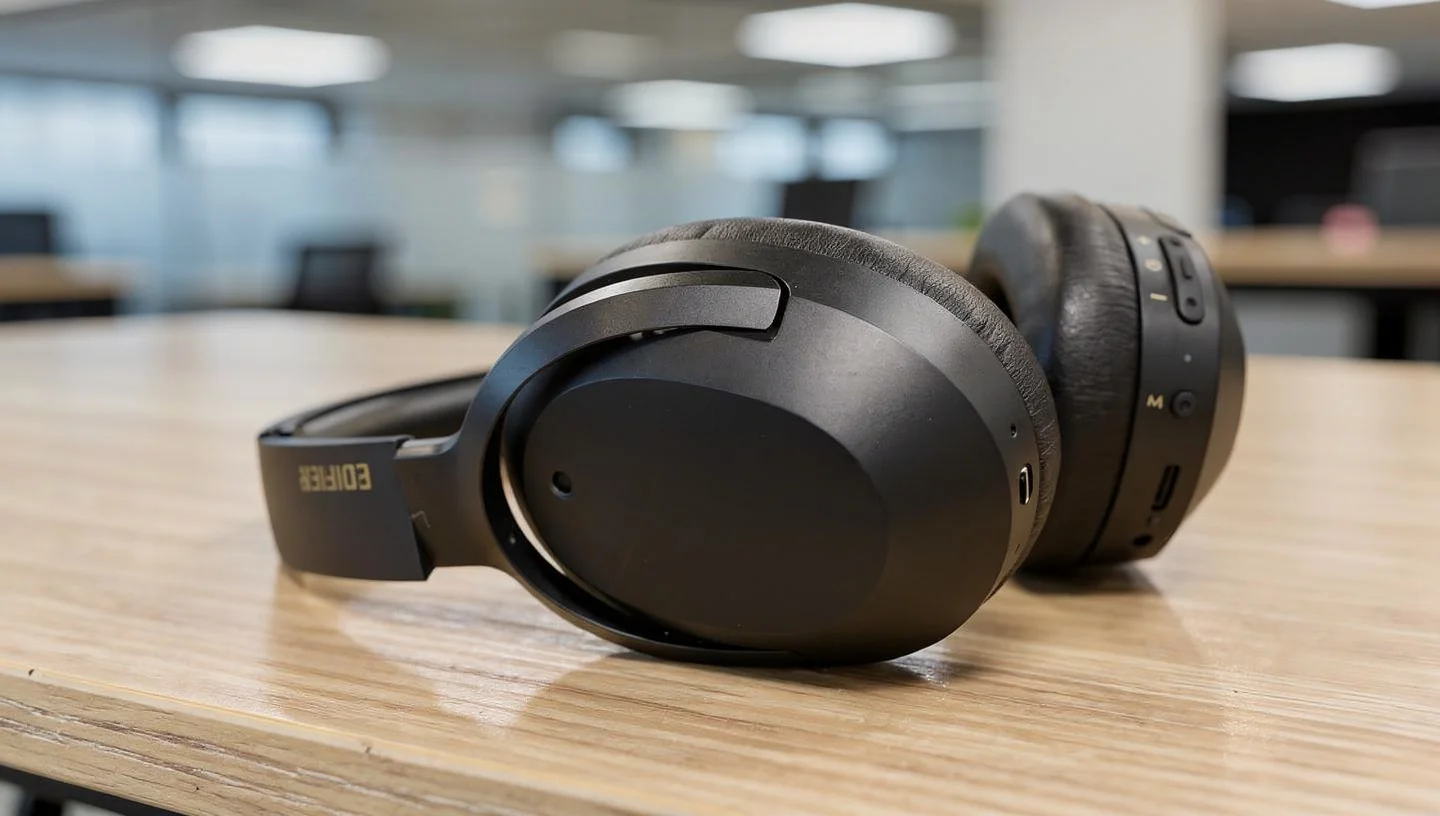
Right away, the build quality felt cheaper than I wanted. Lots of plastic, minimal metal reinforcement, no folding mechanism for travel. The carrying case they include is just a soft pouch that won’t protect against much. If I dropped these on concrete, I’d expect cracks.
But wearing them daily changed my perspective. The padding on both the ear cups and headband kept them comfortable for hours. I wore them through entire workdays without pressure headaches or ear fatigue. The clamping force sits light enough that I’d forget they were on my head.
Sound quality shocked me most. Bass hits with presence but doesn’t overwhelm everything else like cheap headphones usually do. Mids come through clear. Highs have enough sparkle without getting harsh. Nothing about the tuning screamed “audiophile grade,” but for casual listening, they nailed what most people want.
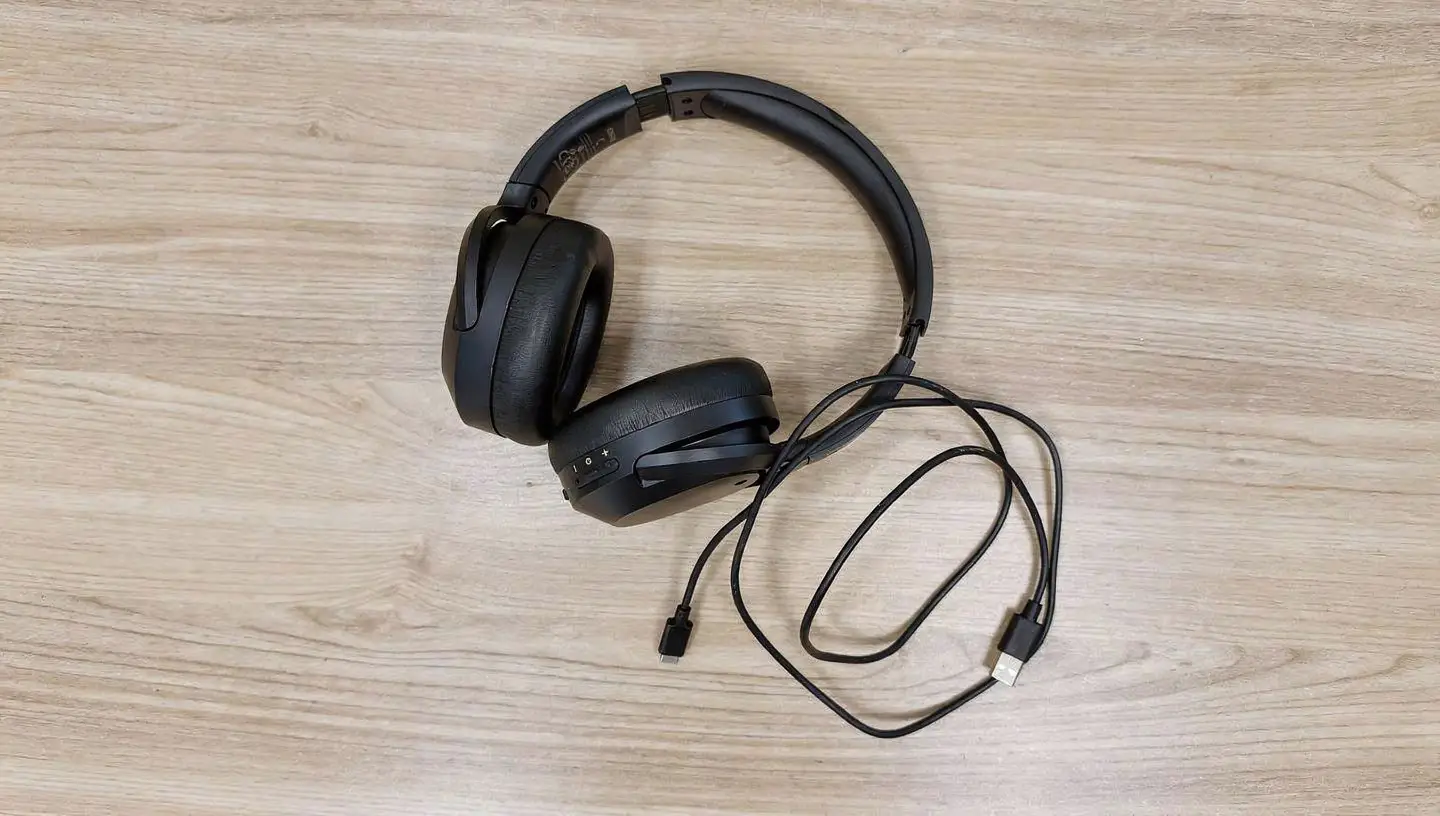
The active noise cancellation works better than expected at this price. It won’t match Sony WH-1000XM5 levels, but it knocks out enough ambient noise to make flights and commutes tolerable. Engine rumble fades. Office chatter dims. Keyboard clicking from coworkers mostly disappears.
Battery life lived up to claims. Edifier says 49 hours with ANC off, 34 hours with it on. Real-world use gave me around 45-48 hours without ANC and 30-32 hours with it active. Either way, I went nearly two weeks between charges with daily use.
The companion app feels half-baked. Four EQ presets exist but you can’t create custom curves. The interface looks dated. Most frustrating, the app sometimes fails to detect the headphones even when they’re connected and playing music. I set my preferences once and barely opened the app again.
After six months of daily wear, the ear cup padding started flaking. Small bits of fake leather came off and stuck to my ears. The headband foam compressed flat. Both issues hurt comfort during longer sessions. At nine months, I replaced them not because they stopped working, but because they felt uncomfortable.
For $80 or less on sale, the W820NB delivers surprising value. Just plan on them lasting 12-18 months max before comfort degrades.
W820NB Plus: Small Upgrades, Same Issues
The W820NB Plus costs $10-15 more than the standard model. Edifier claims improved ANC, slightly better battery, and LDAC codec support for higher quality wireless audio.
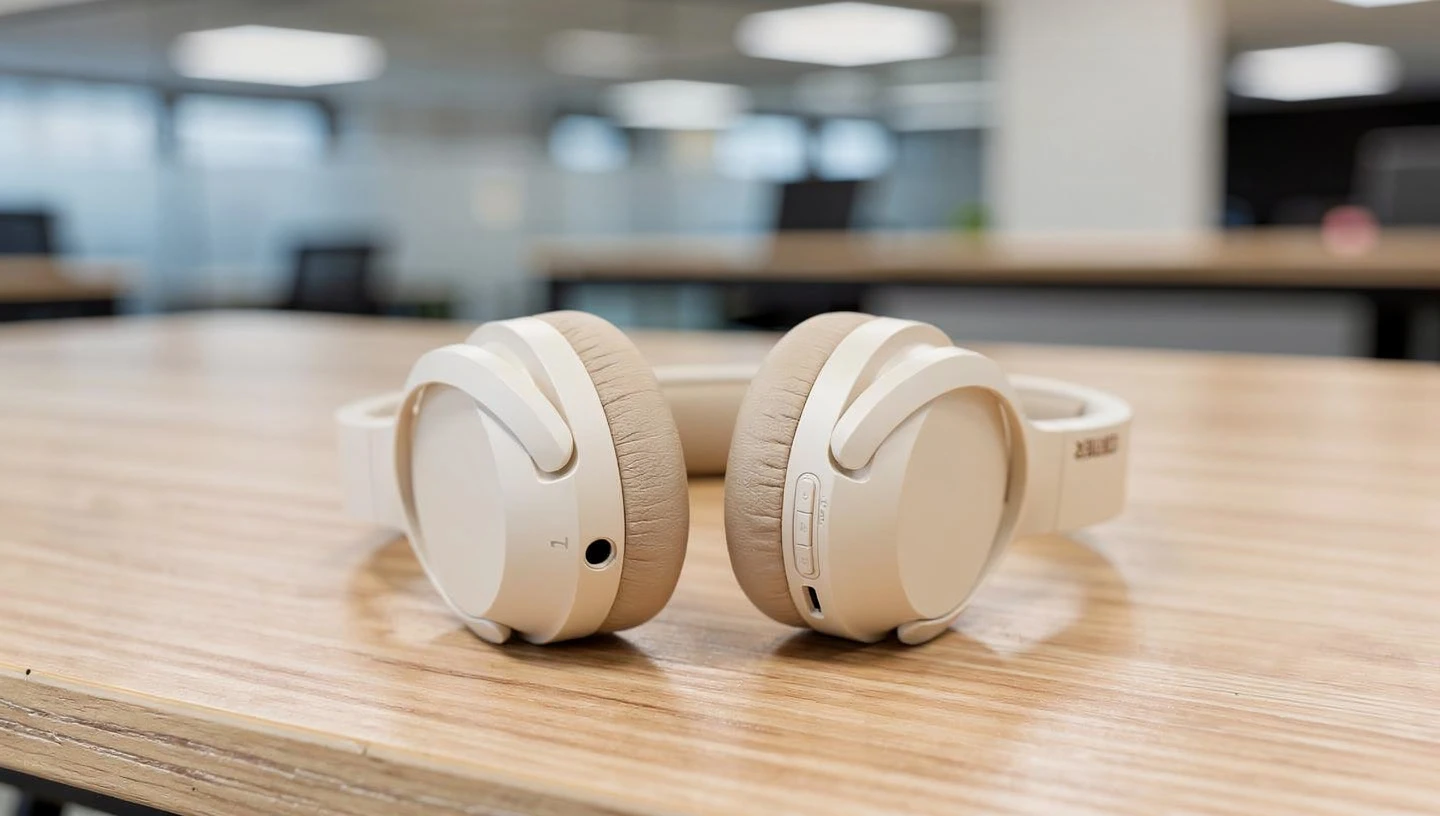
The upgrades are real but modest. ANC does block a bit more noise. Battery life stretched another five hours or so. LDAC made a noticeable difference when paired with my Android phone more detail in busy tracks, better instrument separation.
Everything else stayed identical. Same plastic build. Same flaking ear pads after months of use. Same mediocre app. Same lack of portability features.
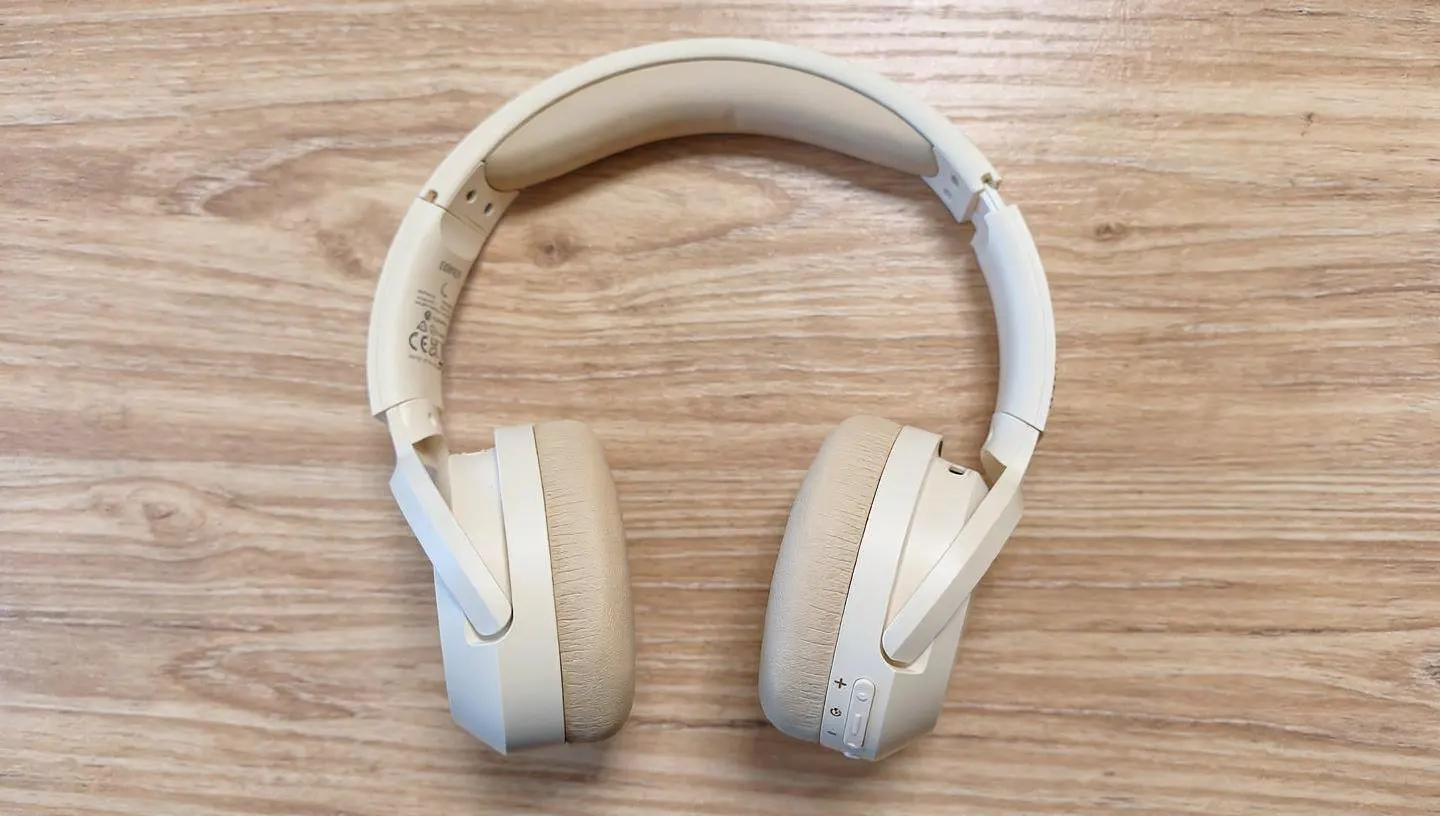
One upgrade I appreciated: USB-C audio. You can plug these directly into compatible devices and skip Bluetooth compression entirely. Sound quality jumps when using a wired connection. For desk setups where you don’t need wireless, this matters.
Call quality disappointed me. The microphones pick up too much background noise. People complained about hearing my keyboard, traffic outside, even my fridge humming in the next room. In quiet spaces, calls sounded fine. Anywhere with ambient noise, I switched to my phone’s mic instead.
The Plus model makes sense if you’re buying new and it costs only $10-15 more. But don’t upgrade from the standard W820NB. The improvements don’t justify replacing working headphones.
WH950NB: The Premium Option
Curious about Edifier’s higher-end offerings, I grabbed the WH950NB for around $140 during a sale. These jump up in build quality and features compared to the W820NB line.
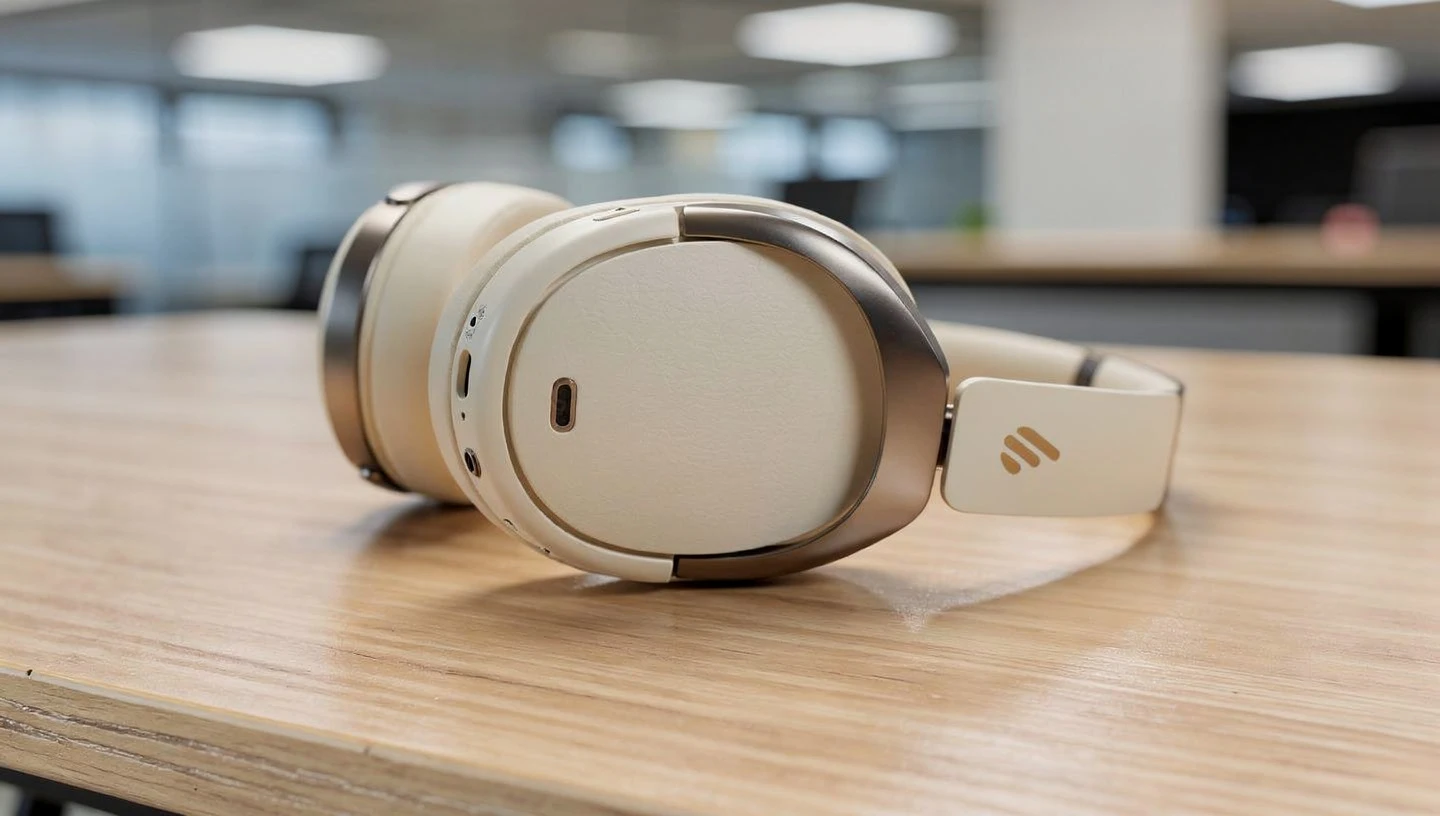
The first thing I noticed was better materials. More aluminum, less plastic. The hinges feel sturdier. Padding uses denser foam that hasn’t compressed or flaked after seven months of use. They fold properly for travel and come with an actual hard case.
ANC performance improved significantly. The WH950NB blocks more noise across all frequencies. Plane engines fade almost entirely. Traffic noise dims to barely noticeable levels. Office environments turn quiet. Still not quite Sony/Bose tier, but close enough that most people wouldn’t notice the gap.
Sound tuning feels more refined. Bass stays controlled. Mids shine with better clarity and detail. Highs extend further without harshness. The soundstage opens up more than the W820NB, giving music a bit more space to breathe.
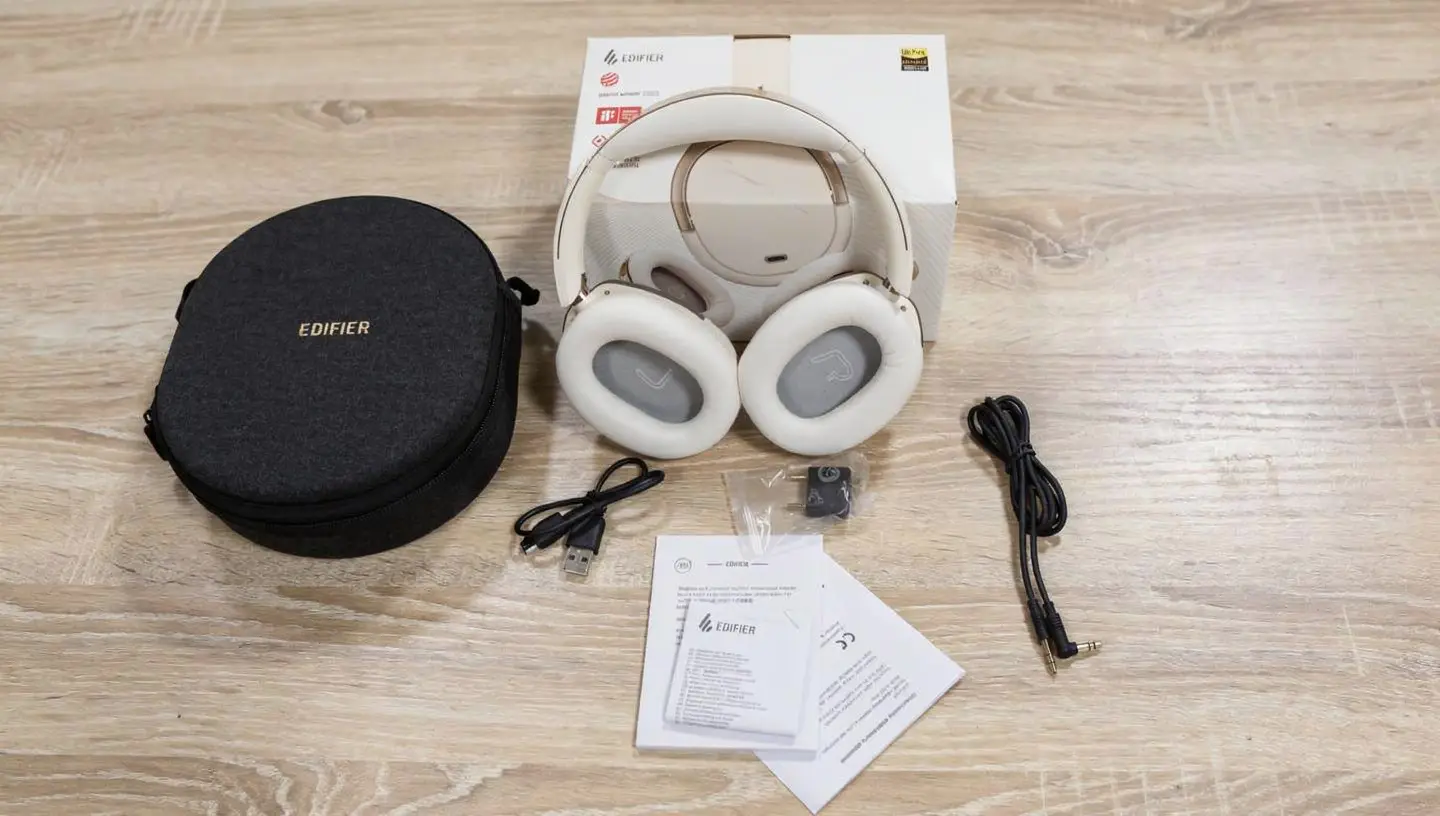
The app supports custom EQ this time. You can tweak individual frequency bands to match your preferences. Multipoint Bluetooth lets you connect to two devices simultaneously and switch between them seamlessly. Both features work reliably, unlike the buggy W820NB app.
Battery life runs shorter than cheaper models around 35 hours with ANC on versus 49+ on the W820NB. Still plenty for most people, but the drop surprised me given the higher price.
At $150, the WH950NB competes directly with brands like Soundcore, JBL, and lower-tier Sony models. Edifier holds its own here. Build quality and sound match the competition. ANC slightly trails, but not by much.
If you can afford the extra money, the WH950NB justifies the upgrade. Better materials mean they’ll last longer. Improved sound and ANC make daily use more enjoyable. Just know you’re paying for refinement, not revolutionary improvements.
Spirit S5: Planar Magnetic Curiosity
The Spirit S5 sits at the top of Edifier’s headphone lineup around $250-300. These use planar magnetic drivers instead of traditional dynamic drivers. That’s audiophile territory and way above my usual budget.
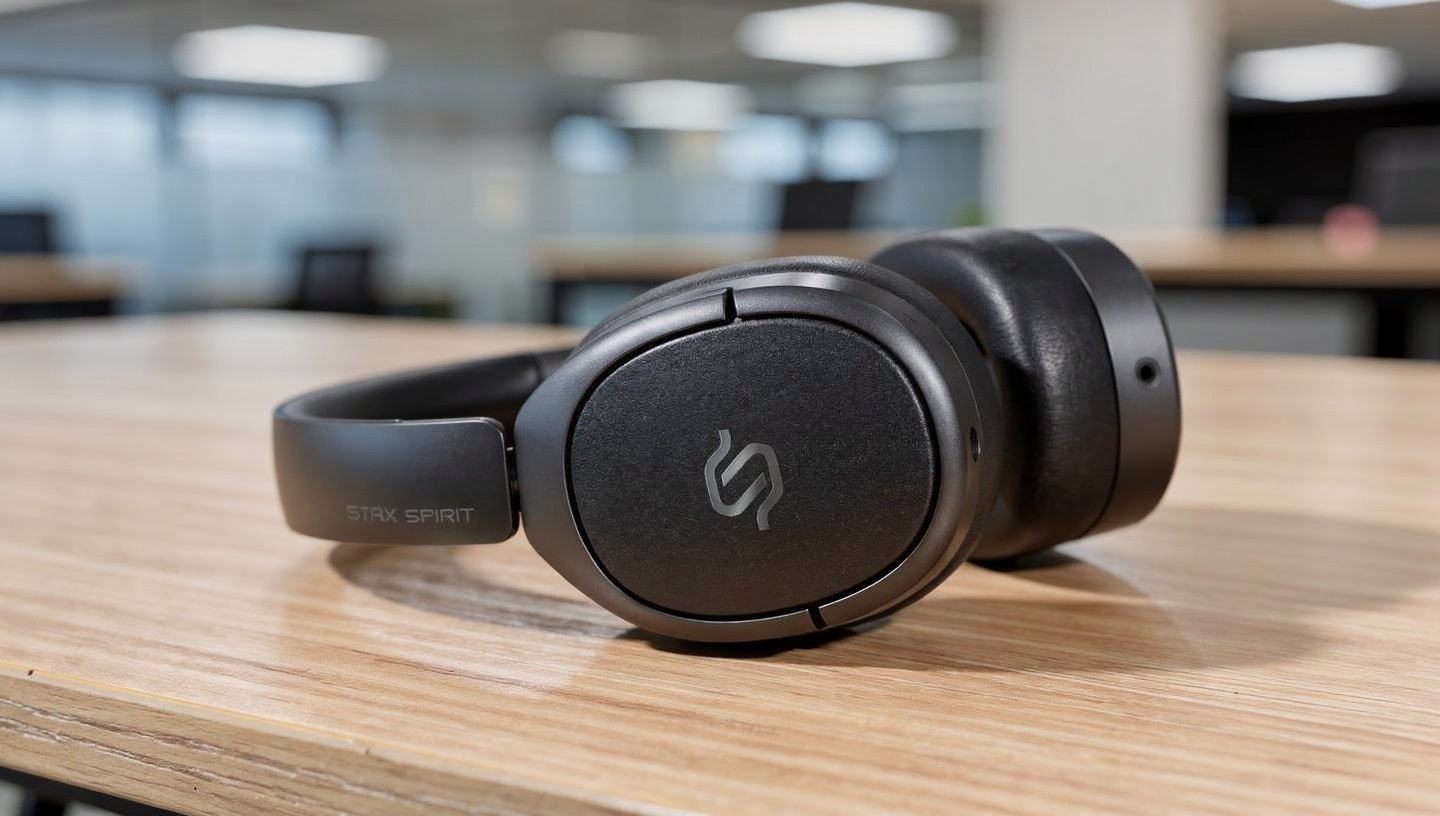
I tested a pair briefly but didn’t buy them outright. The sound quality impressed immediately. Detail retrieval exceeded anything else Edifier makes. Instrument separation felt precise. Soundstage width surprised me for closed-back headphones.
But they’re wired only. No Bluetooth, no wireless option at all. For desk setups or home listening, that’s fine. For commuting or travel, it’s a dealbreaker.
Build quality felt premium. Solid construction, quality materials, comfortable fit. These were designed for people who sit in one place and listen critically to music.
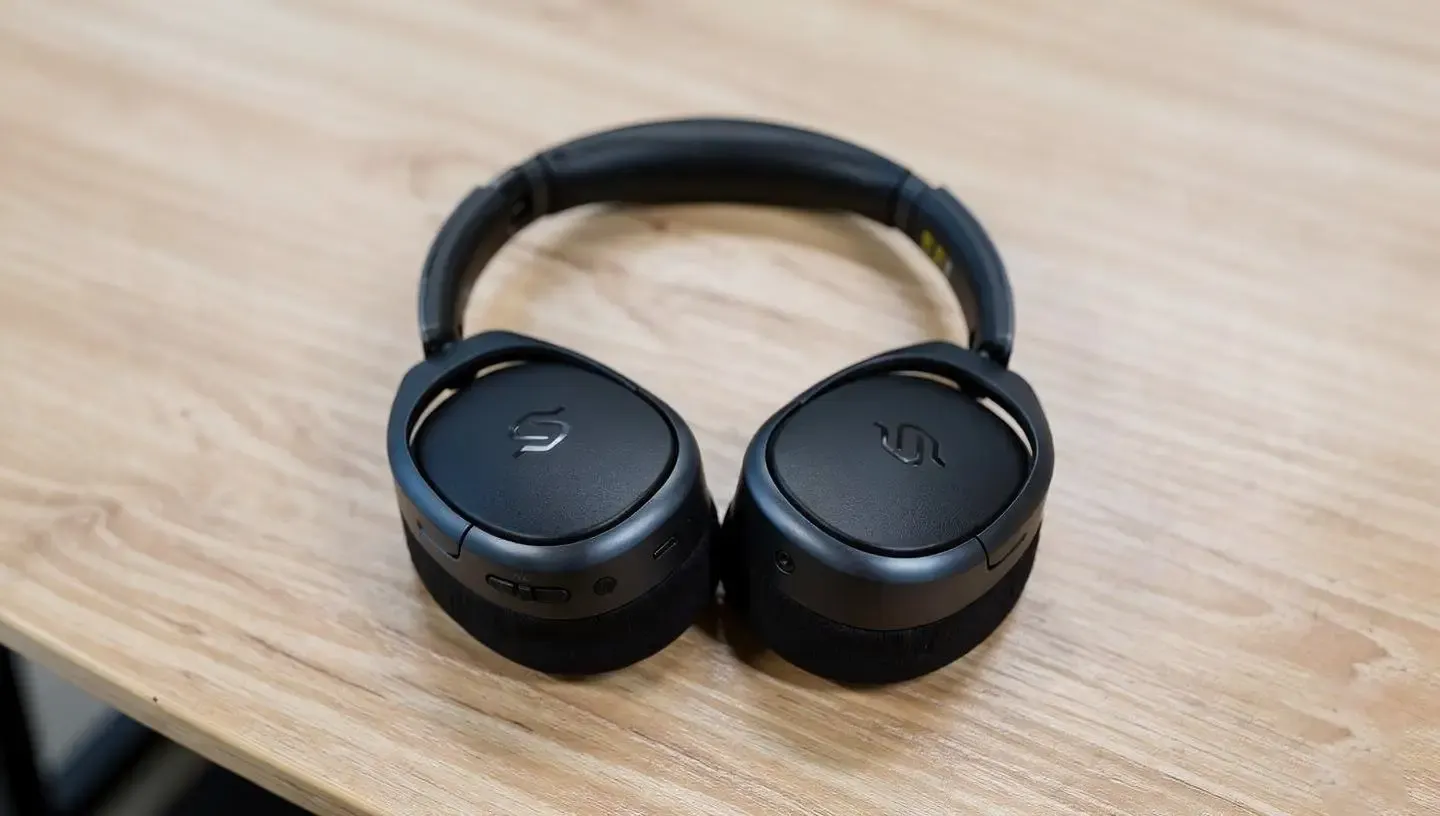
At $450-500, the Spirit S5 competes with established audiophile brands. Reviews from SoundGuys and TechRadar praised them for matching much pricier options in sound quality. For someone serious about audio fidelity, they’re worth considering.
For everyone else, the high price and wired-only design limit their appeal. Most people will be happier spending $100-150 on wireless models like the WH950NB.
TWS1 PRO: Cheap Earbuds That Work
Edifier also makes true wireless earbuds. I tested the TWS1 PRO model that costs around $40-50.
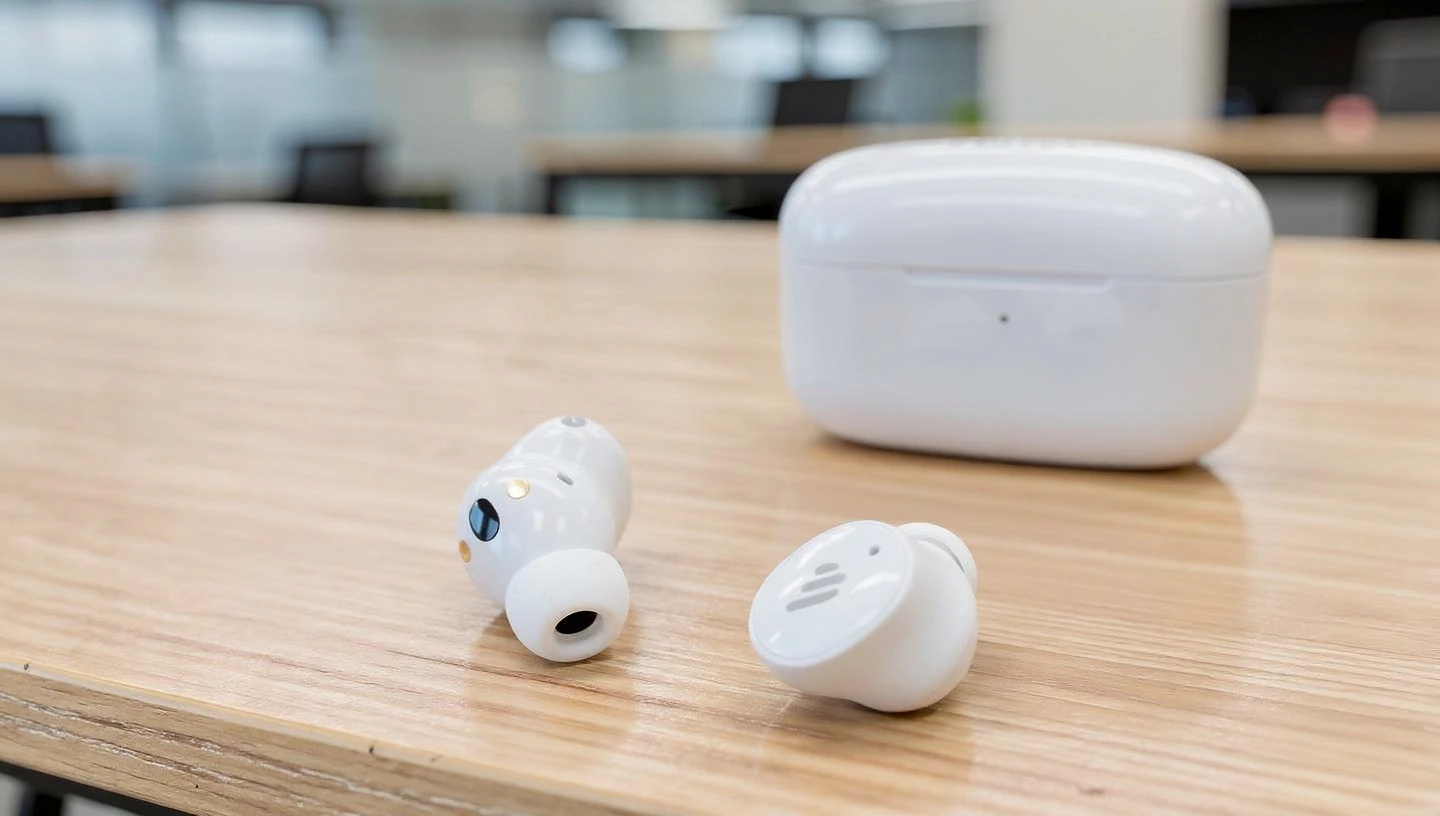
They’re basic. No ANC, no fancy features, just simple wireless earbuds. Sound quality exceeds what $40 typically buys. Bass stays balanced, mids come through clear, highs don’t get sharp or harsh.
Battery life runs about five hours per charge with another 20 hours in the case. Standard for this price range. The fit felt comfortable during gym sessions and short commutes.
Touch controls worked reliably. Single tap for pause, double tap to skip, hold for volume. The usual gestures that don’t always function properly on cheap earbuds actually worked here.
Call quality was mediocre. Voices came through clear enough for quick conversations, but background noise bled through constantly. Fine for casual use, not good enough for work calls.
At $40-50, the TWS1 PRO makes sense as backup earbuds or gym companions. You can lose or break them without much financial pain. Sound quality beats most options at this price. Just don’t expect features or longevity.
Common Problems Across Models
Build quality concerns show up across Edifier’s lineup. Cheaper models use thin plastic that feels fragile. Ear pad materials flake and degrade within 6-12 months of regular use. Headband foam compresses quickly.
The apps need serious work. Buggy performance, dated interfaces, missing features that competitors include. Some models don’t connect reliably to the app despite pairing fine with devices.
ANC performance always trails premium brands. It works, sometimes better than expected for the price, but Sony and Bose consistently do it better. If top-tier noise cancellation matters, spend more elsewhere.
Microphone quality disappoints across all models tested. Calls sound acceptable in quiet rooms. Add any ambient noise and clarity suffers. People complained about hearing background sounds constantly.
Durability feels questionable on budget models. The W820NB lasted 9-12 months before comfort issues forced replacement. Higher-end models seem better built, but time will tell if they hold up longer.
Edifier vs Soundcore
Both brands target budget-conscious buyers with similar pricing strategies. Here’s how they compare directly.
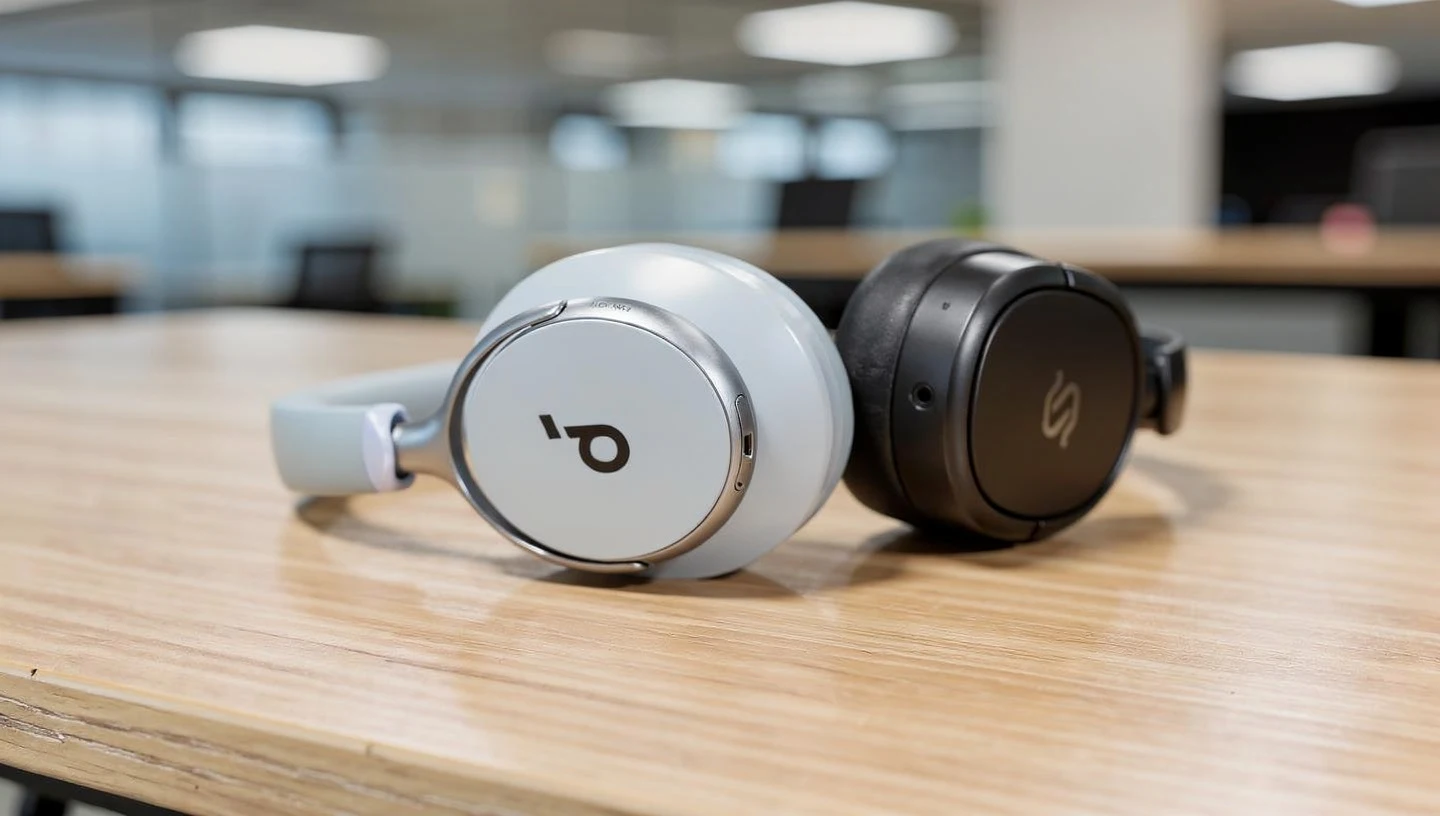
Sound quality favors Edifier slightly. Their tuning sounds more balanced out of the box. Soundcore leans bass-heavy and requires more EQ tweaking. For people who want decent sound without fiddling, Edifier edges ahead.
Build quality goes to Soundcore. Their products feel sturdier. Materials last longer. Ear pads don’t flake as quickly. If durability matters more than sound, choose Soundcore.
Battery life strongly favors Soundcore. Their models consistently outlast equivalent Edifier headphones by 5-10 hours. For people who hate charging frequently, that’s meaningful.
App support and reliability favors Soundcore by a mile. Their app works consistently, offers more features, and doesn’t bug out randomly. Edifier’s apps frustrate users regularly.
Price sits roughly even. Both brands sell similar products within $10-20 of each other. Sales and deals shift which offers better value at any given time.
For most people, I’d recommend Soundcore over Edifier. Better build quality and app reliability outweigh Edifier’s slight sound advantage. Unless you find Edifier models heavily discounted, Soundcore delivers more overall value.
Edifier vs JBL
JBL carries stronger brand recognition and reputation. Their products cost slightly more than Edifier for comparable features.
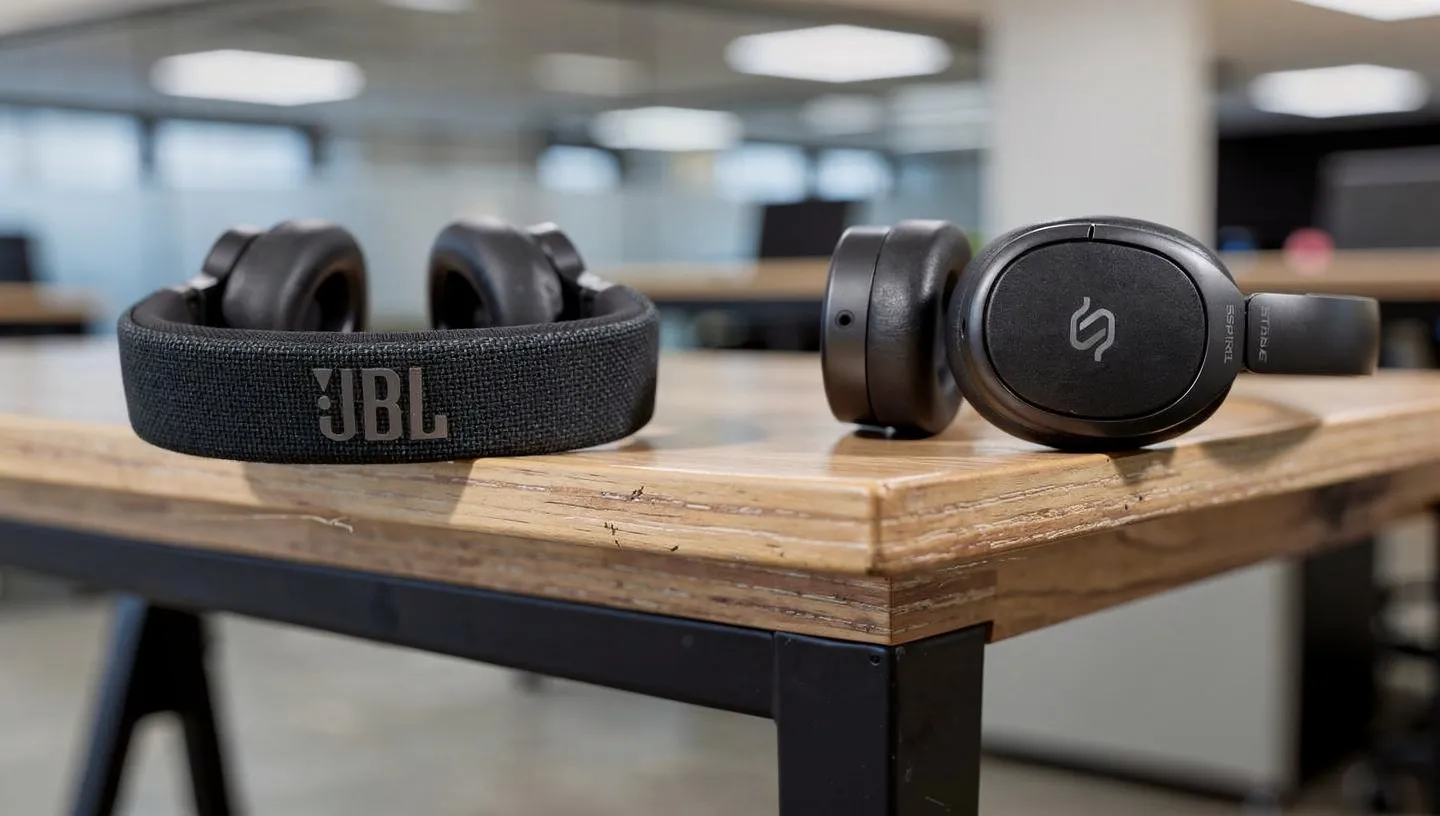
Sound quality depends on the specific models compared. JBL’s signature sound emphasizes bass more aggressively. Edifier tunes more neutrally. Neither approach is objectively better preference matters here.
Build quality favors JBL. Better materials, sturdier construction, more polished finishes. Edifier products feel budget in comparison.
Features favor Edifier at lower price points. You get ANC, longer battery, and more connectivity options for less money. JBL charges premium prices for similar specs.
For casual listeners who want affordable gear, Edifier competes well. For people who care about brand reputation and build quality, JBL’s extra cost makes sense.
Who Should Buy Edifier
Students and people on tight budgets will find good value here. The W820NB or TWS1 PRO deliver functional audio without breaking the bank. When money is limited, these work better than bottom-tier alternatives.
Casual listeners who don’t obsess over audio quality will be happy with most Edifier products. Sound tuning is balanced enough that most people won’t notice shortcomings unless directly comparing to premium options.
People who want features like ANC and long battery life on a budget should consider the W820NB Plus or WH950NB. You get functionality typically found on $200+ headphones for significantly less.
Desk workers who need comfortable headphones for long sessions might like the padding and lightweight design. Just accept that ear pads will need replacement after 6-12 months.
Skip Edifier if you’re an audiophile chasing the best possible sound. Better options exist at every price point from established audio brands with decades of tuning experience.
Skip Edifier if you need bulletproof build quality. Their products feel budget and show wear quickly. People rough on their gear should spend more for sturdier construction.
Skip Edifier if call quality matters. Microphones consistently underperform across their lineup. Buy something designed for conferencing instead.
The Real Value Question
Edifier makes competent budget headphones that surprise people expecting garbage. Sound quality exceeds what the prices suggest. Features like ANC and long battery life compete well with pricier alternatives.
But they’re still budget products. Build quality suffers. Longevity is questionable. Apps frustrate users. Microphones disappoint. You’re trading away polish and durability to save money.
For someone who needs functional wireless headphones and has $80 to spend, the W820NB makes sense. You’ll enjoy them for 9-12 months before issues crop up. At that price, replacement doesn’t sting.
For someone who can stretch to $140-150, the WH950NB delivers better overall experience. Sturdier build suggests longer lifespan. Improved sound and ANC make daily use more pleasant.
At $450+ for the Spirit S5, value becomes debatable. Competing options from established audiophile brands offer similar or better performance. Unless you find steep discounts, Edifier’s premium models don’t justify full retail prices.
My friend was right about that $80 bet. The W820NB exceeded expectations for the money. But after testing multiple models, I’d recommend spending a bit more on Soundcore or JBL for better overall reliability. Edifier does enough right to avoid being called bad. They just don’t do enough to be called great.
Frequently Asked Questions
Is Edifier a Chinese company?
Yes, Edifier was founded in Beijing in 1996 and still manufactures everything in China. They operate globally now with offices in multiple countries, but production stays in their home country. This isn’t unusual most budget electronics brands manufacture in China regardless of where they’re headquartered.
Are Edifier headphones good quality?
Sound quality is surprisingly good for the price. Build quality is mediocre. Cheaper models like the W820NB use thin plastic and materials that degrade within 6-12 months. Higher-end models like the WH950NB feel sturdier but still trail established brands. You get decent audio at budget prices, but don’t expect premium construction.
How long do Edifier headphones last?
Battery life per charge ranges from 30-50 hours depending on the model and whether ANC is enabled. Physical lifespan varies. Budget models show wear after 6-12 months ear pad flaking, foam compression, plastic creaking. Premium models seem better built but haven’t been tested long-term yet. Plan on 12-18 months of solid use before replacement becomes tempting.
Do Edifier headphones have good bass?
Bass response is balanced and controlled across most models. It’s present without overwhelming mids and highs like cheap headphones often do. Not as punchy as JBL or Sony’s consumer tuning, but more neutral. Audiophiles appreciate the restraint. Bass-heads might find it underwhelming.
Is Edifier better than Soundcore?
Sound quality slightly favors Edifier more balanced tuning out of the box. Everything else favors Soundcore better build quality, more reliable apps, longer battery life. For most people, Soundcore delivers better overall value unless Edifier models are heavily discounted. Check reviews of specific models like the Soundcore Liberty Buds for direct comparisons.
Are Edifier headphones good for gaming?
Some models like the W820NB Plus include low-latency gaming modes that reduce Bluetooth delay. They work adequately for casual gaming. For competitive play, wired gaming headsets perform better. Microphone quality on Edifier products is mediocre, so voice chat suffers. See our best gaming headphones guide for better options.
Does Edifier have good customer service?
Customer service experiences vary by region. Some users report helpful support and warranty replacements. Others complain about slow responses and difficulty reaching anyone. Terms and conditions differ across the 70+ countries where Edifier operates. Don’t expect premium support at budget prices.
Can I use Edifier headphones for calls?
You can, but call quality is mediocre. Microphones pick up too much background noise. In quiet environments, calls sound acceptable. Add any ambient noise and people complain about hearing traffic, keyboards, office chatter. For regular conferencing, buy headphones designed for calls instead.