As the lead reviewer for this site, I have tested dozens of headphones and earbuds. Through all of my testing, I have learned that the secret to great wireless sound is not just the brand or price, but the chip that powers it all.
Think of this chip as the brains of your headphones. It controls everything that matters to you. Sound quality, how long your battery lasts, how well your noise cancellation works, and smart features like voice assistants.
Apple, Sony and Qualcomm are the most well-known chips for wireless headphones, but they are not the only ones; there are others such as MediaTek and BES (Goodix) that make chips for headphones at a slightly lower price point.
For iPhone Users: Apple H2 Chip
Apple designed the H2 chip only for iPhones, iPads, and Macs. Music from a phone is transmitted to earbuds through Bluetooth. For this transmission to work, and for both devices to understand each other, the phone and the earbuds must use the same codec. This company is already developing its new H3 chip, which will be on the AirPods 5 and AirPods Pro 4 models.
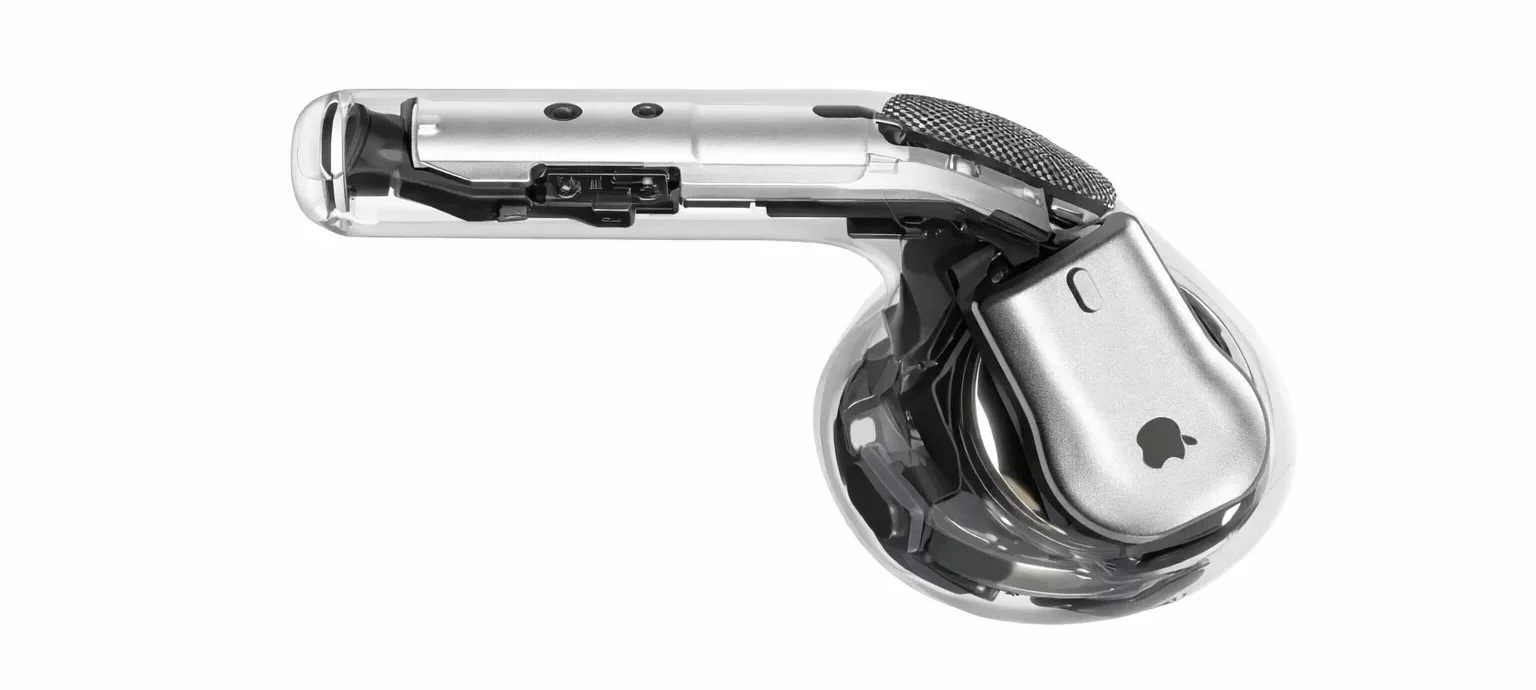
The H2 enables Personalized Spatial Audio. Sound follows your head movement. Turn your head, sound stays in place like speakers in a room. This only works with Apple devices.
Adaptive Audio switches between noise canceling and transparency mode automatically. You do not touch anything.
AAC was developed by Apple and is widely used on iPhones and other Apple devices. The H2 is optimized for AAC. It uses Bluetooth 5.3.
If you use AirPods with Android, you get standard AAC. Compared to SBC, AAC offers better sound quality. But you lose Spatial Audio and automatic device switching. Android supports AAC, but Apple features built on top of it do not work.
For Best Sound and Noise Canceling: Sony Processor
Sony uses two chips for the integrated processor V1 and the new V2 as in the WF-1000XM6 eabuds which controls the system while the noise cancellation processor is QN1e and only controls ANC.
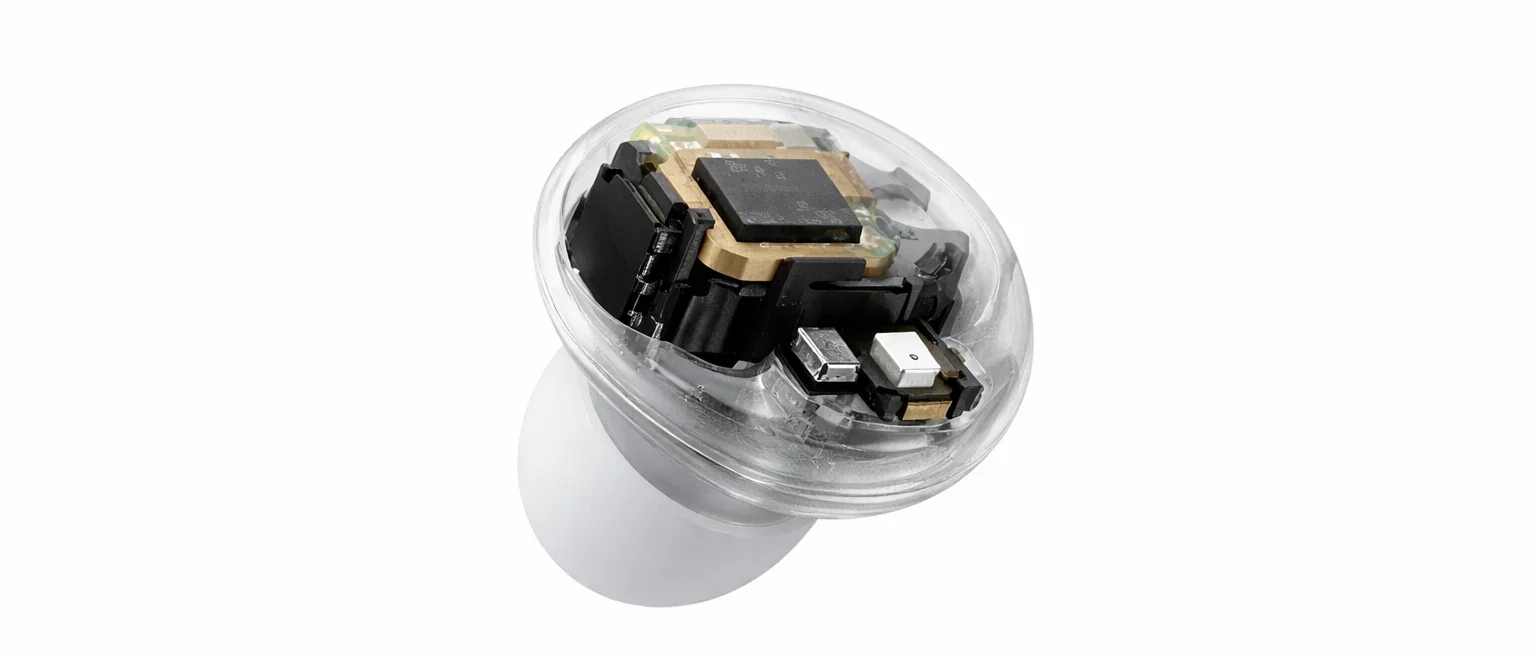
The QN1e is a separate chip built only for noise canceling. It does nothing else. This dedicated design is why Sony earbuds cancel noise better than most others.
Active noise canceling is on the stronger side. It aggressively suppresses ambient sound across all frequency ranges. For users who want silence, the performance is very good.
LDAC is a Bluetooth codec developed by Sony. It can stream at up to 990 kbps. At this high bitrate, LDAC can deliver sound close to lossless quality.
Sony also includes DSEE Extreme. This feature reconstructs high-frequency sound lost in compression. When I tested high-resolution files, the sound quality was better than expected.
Supported codecs are LDAC, AAC, and SBC. It uses Bluetooth 5.2.
I tested LDAC with the EarFun Air Pro 4 on my Samsung phone. The EarFun Air Pro 4 uses a Qualcomm chip but supports LDAC. My Samsung phone also supports LDAC. The connection was stable at 660kbps. At 990kbps, I noticed some dropouts in crowded areas.
In reality, wireless audio always faces limits. Distance, interference, and antenna quality all affect it. But Sony earbuds are known for keeping a stable 990kbps LDAC connection where other brands drop down to 660kbps.
The Universal Choice: Qualcomm Sound Platform
Brands like Soundcore, EarFun, and Sennheiser use Qualcomm chips. I tested several earbuds with Qualcomm inside. These include the EarFun Air Pro 4 with the QCC3091 chip, the Soundcore Liberty Buds, and the SoundPEATS Air5 Pro.
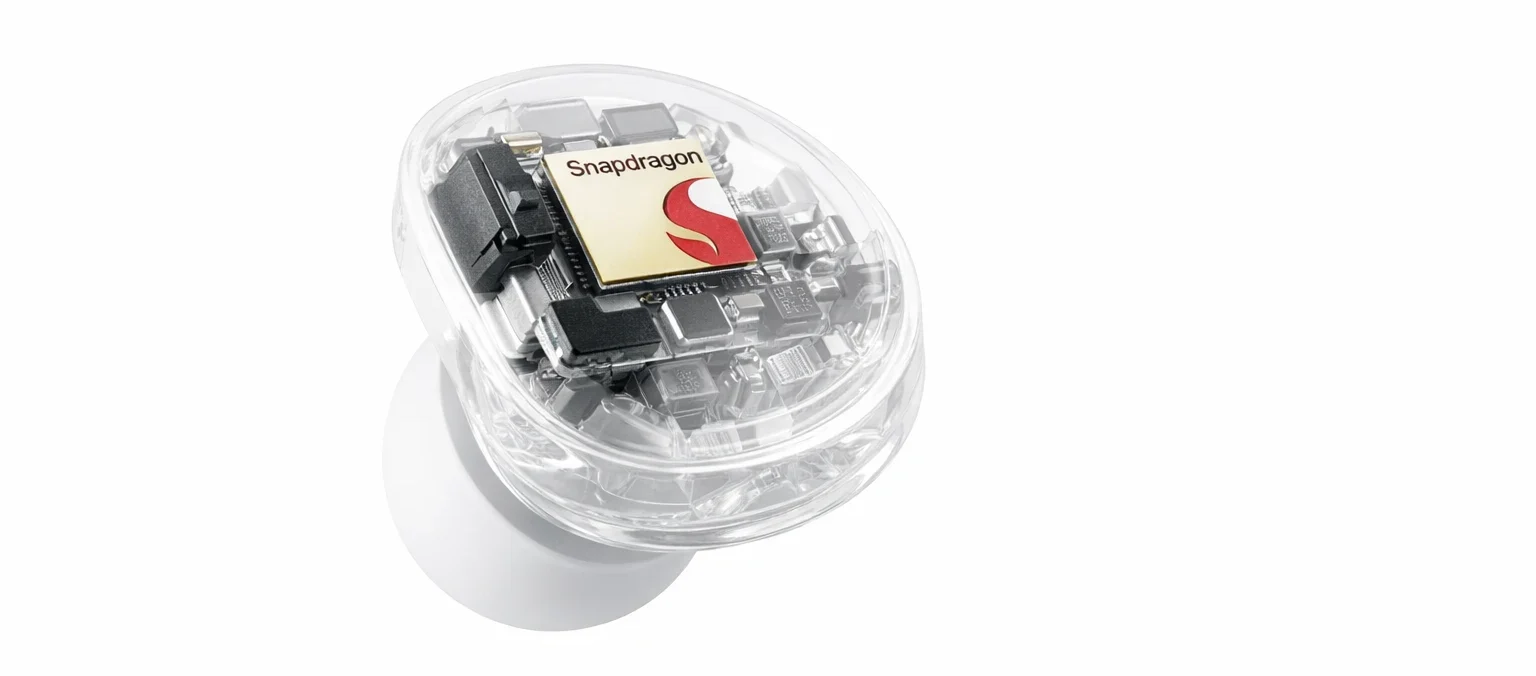
aptX is a Bluetooth codec owned by Qualcomm. It is common on Android devices. It was made to deliver CD-quality sound. Its latency is lower than SBC and AAC, making it better for videos and casual gaming.
aptX Adaptive is the newer version. It automatically adjusts bitrate based on your connection. Bitrate ranges from 279kbps to 420kbps. With a good connection, the bitrate goes up. If there is interference, it drops to stay stable. It balances sound quality, latency, and connection stability well.
The EarFun Air Pro 4 supports aptX Adaptive, aptX Lossless, and LC3. The chip is the Qualcomm QCC3091 with Snapdragon Sound certification and Bluetooth 5.4. This is one of the most complete codec packages I have tested.
LC3 is the new Bluetooth LE Audio standard. It offers better sound at lower bitrates than older codecs. It also uses less power and has much lower latency. This is why LC3 is expected to become the new default Bluetooth audio codec.
Qualcomm makes chips for both phones and earbuds. When you use a Qualcomm phone with Qualcomm earbuds, the codec setup works without any issues.
Head to Head Comparison
| ture | Apple H2 | Sony | Qualcomm QCC3091 | MediaTek / BES |
|---|---|---|---|---|
| Best For | iPhone users | Best sound and ANC | Android phones | Budget earbuds |
| Top Codec | AAC | LDAC | aptX Adaptive, LC3 | AAC, SBC |
| ANC Method | Computational | Dedicated chip (QN1e) | Programmable engine | Basic ANC |
| Key Point | Works only with Apple | Best quality, high price (Latest models use V2 processor) | Works with most phones | Low cost, good for price |
| Bluetooth | 5.3 | 5.2 | 5.4 | 5.3 |
At high bitrate, LDAC can deliver sound close to lossless quality. Sony leads for pure sound.
AAC was developed by Apple. It works best on iPhones.
aptX Adaptive automatically adjusts for your connection. Qualcomm works with most Android phones.
For example, I tested the TOZO HT3. It has a Bluetooth 6.0 chip but only supports SBC and AAC. No LDAC, no aptX. In most cases, SBC does not provide good sound quality for music. The TOZO HT3 sounds decent with AAC, but it cannot match earbuds with LDAC or aptX Adaptive support.
Another model, the SoundPEATS Capsule3 Pro+, uses a WQ7034AX chip with LDAC support. With an LDAC-capable phone, the Capsule3 Pro+ sounds noticeably better than SBC-only earbuds.
Battery Life: What Makes a Chip Efficient
Battery life is not just about battery size. The chip matters a lot.

Smaller process nodes like 5nm use less power compared to older designs.
Sony has a separate chip just for ANC. The QN1e does nothing else. Using dedicated hardware for ANC uses less power than running it on the main processor.
LC3 offers better sound quality at lower bit rates. Lower bit rates mean less radio transmission. Less transmission means longer battery life. This is the main reason why LC3 is expected to be the most widely used codec in headphones, which is why MediaTek and BES chips mostly use this codec to get the lowest possible battery consumption.
In reality, earbud size limits battery capacity. But with efficient chips, you can expect 8-10 hours with ANC on.
In my tests, the EarFun Air Pro 4 with the Qualcomm QCC3091 gave me 7.5 hours with ANC and LDAC. The TOZO HT3 with AAC gave me around 50 hours total with the case. Different chips give you very different results.
The Future: AI and Earbuds
The product that quietly caught my attention was earbuds with a Neural Processing Unit (NPU) inside. The NPU handles AI tasks on the earbuds themselves, not on your phone. Your phone battery stays untouched.
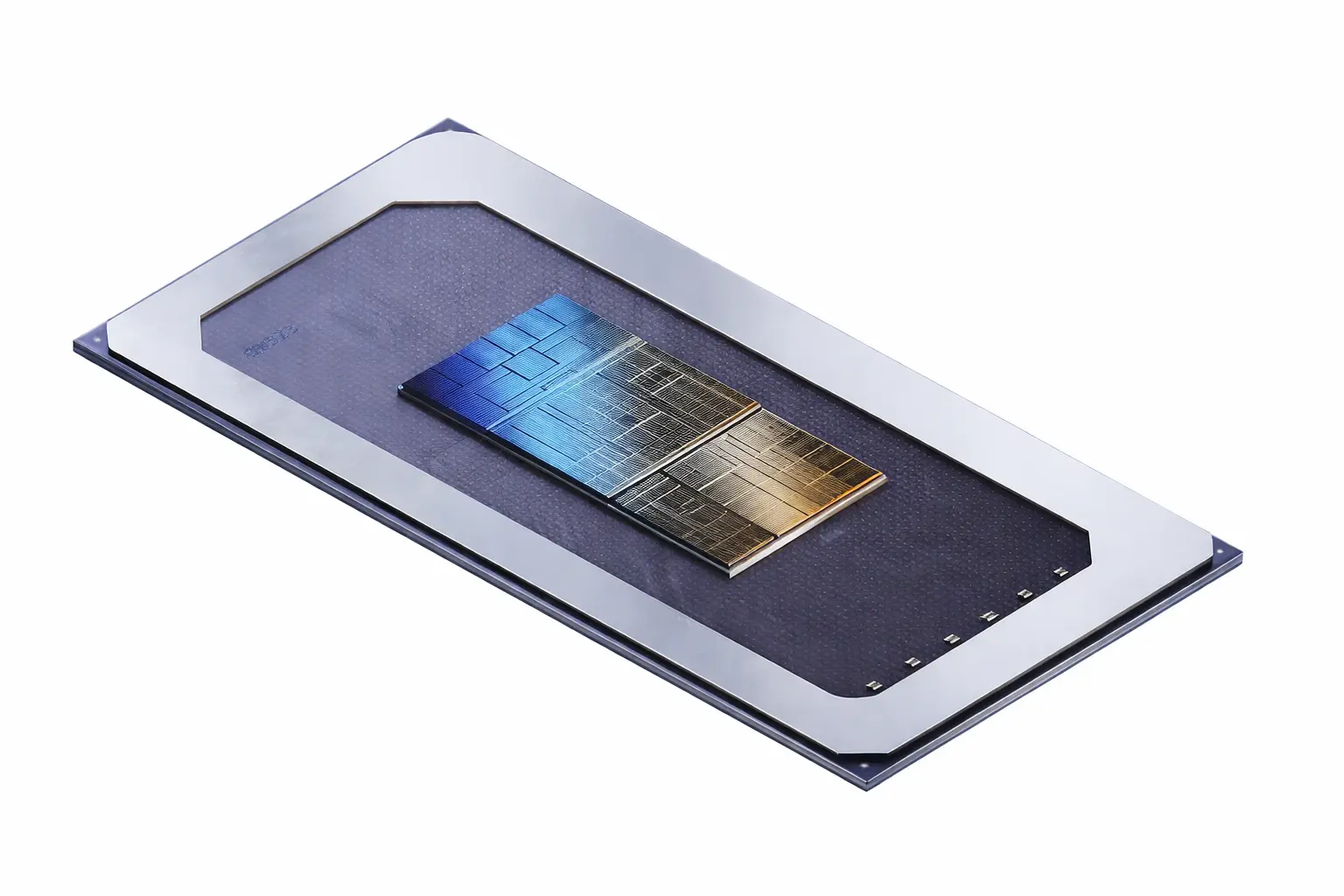
What does an NPU enable? It can do voice isolation during calls, adjust sound for your hearing, and create a transparency mode that sounds natural.
Xiaomi Buds 5 Pro demonstrate this. I reviewed them on this site. When paired with a Xiaomi 15 Ultra, the earbuds support AI translation and voice transcription. Right now, this only works with that specific phone. Xiaomi says support for more smartphones will come, making this a trend to watch through 2026.
How to Choose Your Next Earbuds
Choose Apple (H2 chip) if you use an iPhone. AAC was developed by Apple. You get seamless connection and Spatial Audio. These features only work in the Apple ecosystem.
Choose Sony if sound quality and noise canceling matter most. LDAC is a Sony codec. At high bitrate, it delivers near lossless quality. Its active noise canceling is strong and suppresses sound across all frequencies.
Choose Qualcomm earbuds (like EarFun, Soundcore, SoundPEATS) if you use Android. aptX Adaptive adjusts to your connection. LC3 is the new LE Audio standard. Qualcomm supports the most codecs and works with most phones without issues.
Final Verdict
Based on my testing, if I had to recommend one model for 2026, it would be the EarFun Air Pro 4. It is not the absolute best in every single category, but it is the most reliable all rounder.
It supports LDAC, aptX Adaptive, aptX Lossless, LC3, AAC, and SBC. It uses the Qualcomm QCC3091 chip with Snapdragon Sound certification and Bluetooth 5.4. In my testing, it worked perfectly with Samsung, Pixel, OnePlus, and Xiaomi phones. I had no compatibility issues.
Sony still wins for the best ANC and pure sound quality. Apple still wins for iPhone users who want everything to work together easily.
But if you want one pair of earbuds that handles everything without problems, the EarFun Air Pro 4 is the safe choice for 2026.