I tested both the SoundPEATS Clip1 and PearlClip Pro over the past few months. The Clip1 arrived in December 2025, a few months after I finished reviewing the PearlClip Pro. Since then, I have been switching between them during commutes, editing, cycling, and calls. This comparison covers the differences that matter in daily use.
Both earbuds use the same clip-on open-ear design, which means they sit on your ear rather than inside the ear canal. You hear your surroundings, you avoid the pressure that in-ear buds create, and you can wear them for hours without fatigue. But the Clip1 costs $69.99 while the PearlClip Pro sits at $59.99. Is the extra ten dollars worth it?
Quick Comparison Table
| Feature | SoundPEATS Clip1 | SoundPEATS PearlClip Pro |
| Price | $69.99 | $59.99 |
| Driver | 12mm dual-magnet (titanium PVD) | 12mm dual-magnet |
| Weight | 5g per earbud | 6.1g per earbud |
| Codec Support | SBC / AAC / LDAC | SBC / AAC |
| Hi-Res Certified | Yes | No |
| Dolby Audio | Yes | No |
| DynamicEQ Pro | Yes | Yes |
| Battery Life | 8h + 40h case | 6h + 18h case |
| Bluetooth | 5.4 | 5.4 |
| Water Resistance | IPX5 | IPX5 |
| Multipoint | Yes | Yes |
| AutoSense Detection | Yes | Yes |
| Game Mode | Yes | No |
Design and Case
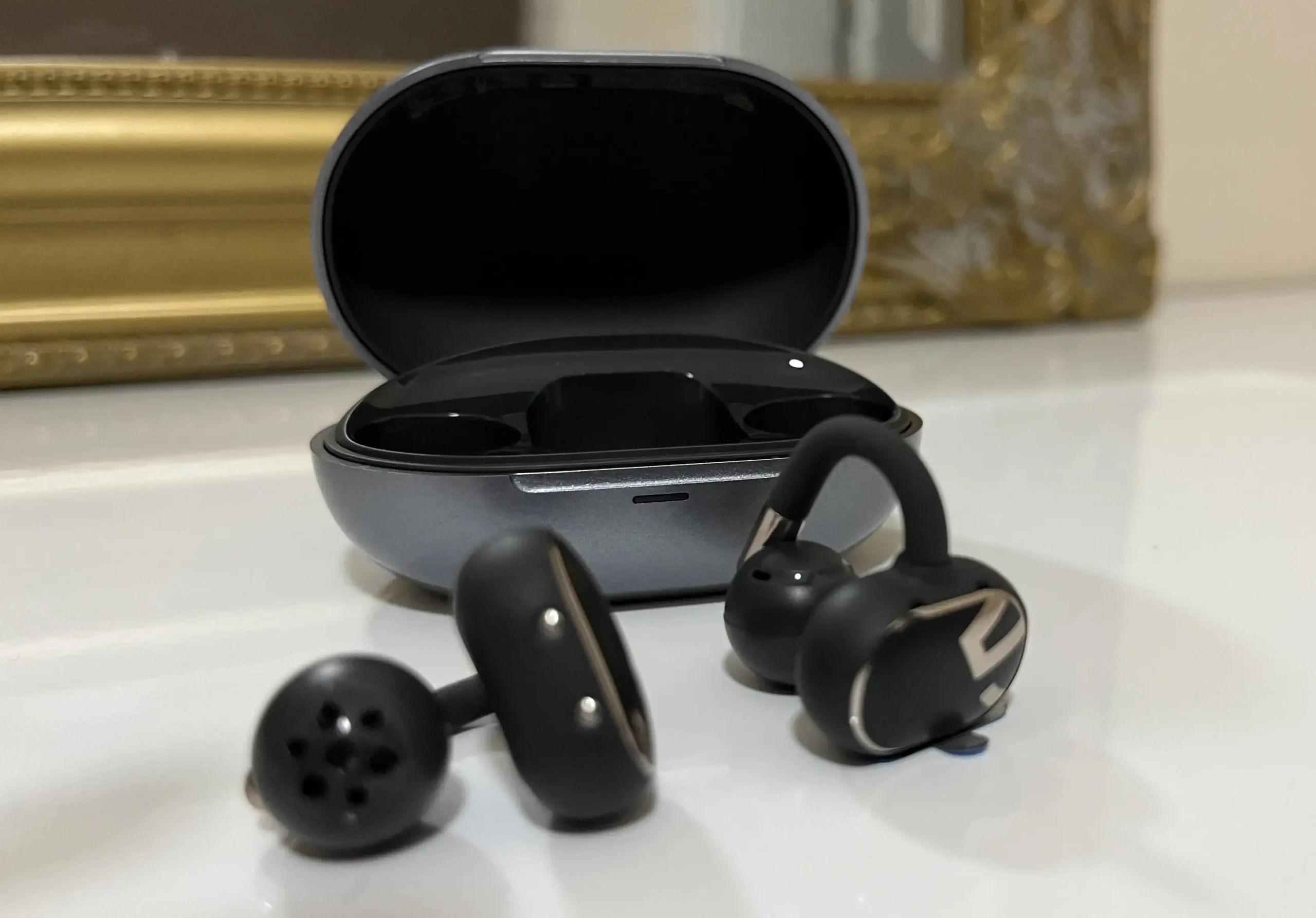
The first thing I noticed when unboxing the Clip1 was the case. It feels different from the PearlClip Pro case, and honestly, I prefer it. The PearlClip Pro case has a smooth finish that looks nice but collects fingerprints. The Clip1 case has a matte texture that resists smudges. It also feels more like other SOUNDPEATS products I have used, which makes it feel cohesive with the brand.

The Clip1 case is slightly larger and thicker than the PearlClip Pro case. Some people might see this as a downside, but I found the extra size makes it easier to open with one hand. The PearlClip Pro case sometimes required a bit more effort to pop open.
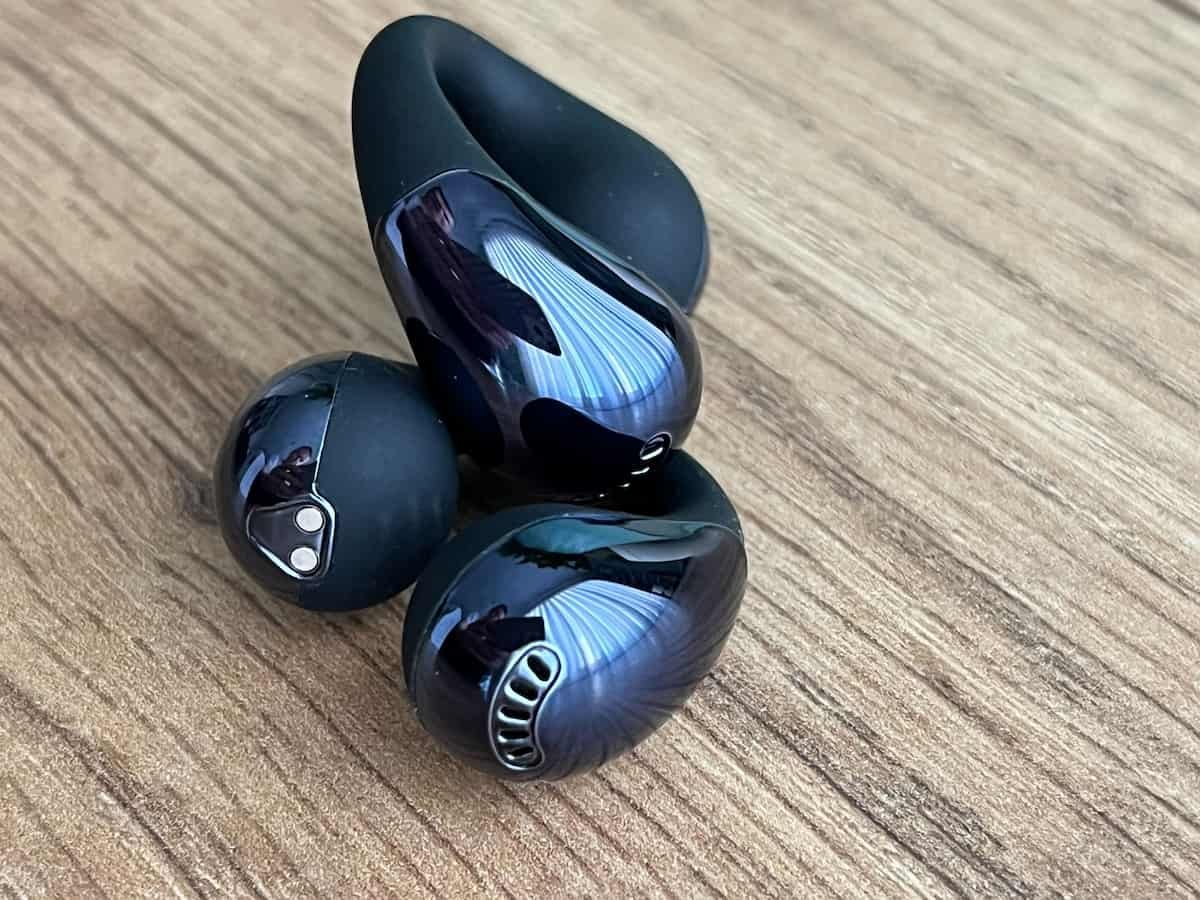
On the earbuds themselves, the Clip1 feels like it clips onto the ear more securely. The grip is tighter. This is good for cycling or moving around, but it also means you notice the earbuds more. The PearlClip Pro has a lighter presence on the ear. If you want earbuds that disappear after a few minutes, the PearlClip Pro does that better. If you want earbuds that stay put no matter what, the Clip1 is more reliable.
The Clip1 weighs 5g per side. The PearlClip Pro weighs 6.1g per side. Despite being lighter, the Clip1 feels bigger because of the shape. It took me a few days to stop noticing them.
Sound Quality
This is where the ten dollar difference becomes obvious.
The Clip1 supports LDAC. The PearlClip Pro does not. On an Android phone with LDAC enabled, the Clip1 sounds noticeably cleaner. There is more detail in the highs, the bass feels tighter, and vocals have better separation from instruments. The PearlClip Pro sounds good for the price, but it lacks that extra clarity.
Both earbuds have a similar sound signature. The bass is present but controlled. Neither model tries to overpower you with low end. This works well for open-ear earbuds because you need mid-bass to compete with ambient noise. Sub-bass rolls off on both, which is normal for this design.
The Clip1 has Dolby Audio support. I tried it for movies and found it adds width to the soundstage. It makes dialogue feel more present. For music, I kept it off because it colors the sound in ways I did not always prefer. Having the option is nice.
DynamicEQ Pro is on both models. It adjusts the tuning in real time based on what you are listening to. I could not always tell when it was working, but tracks sounded consistent across different genres without needing manual EQ changes.
If you mostly use an iPhone, the LDAC advantage disappears since iOS does not support it. In that case, the sound difference between the Clip1 and PearlClip Pro becomes smaller. Both default to AAC, and both sound acceptable through that codec.
Controls and App
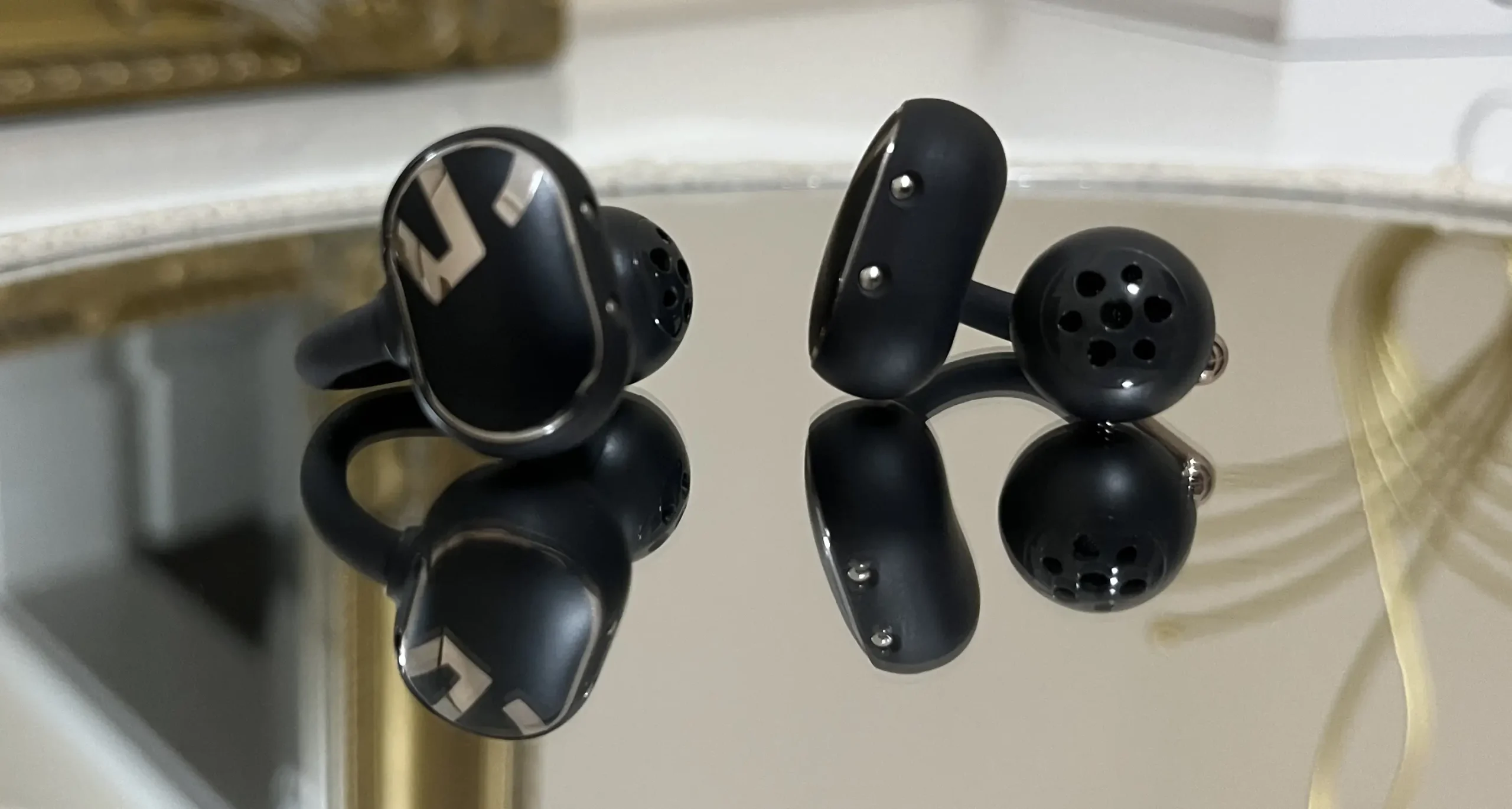
The Clip1 has better touch controls. The PearlClip Pro touch panel was overly sensitive. I would adjust the earbuds on my ear and accidentally skip a track or change the volume. This happened multiple times during the first week. The Clip1 fixed this. The touch zones are split across three areas on each earbud, the logo, the driver housing, and the stem. Taps register better. No ghost touches, no random skips.

Both earbuds use the PeatsAudio app. On the Clip1, the app feels more stable. Connecting takes a few seconds, and once it recognizes the earbuds, everything works. You can turn LDAC on or off, enable Dolby Audio, adjust EQ, and remap controls. The PearlClip Pro app experience was less consistent. Sometimes the app took longer to connect. Settings occasionally reset. These small issues added friction to daily use.
Battery Life
The Clip1 lasts about eight hours on a single charge. The case adds another forty hours. During my testing week, I charged the case once.

The PearlClip Pro lasts about six hours per charge. The case adds another eighteen hours. I had to charge the case more often, usually every two or three days with regular use.
Both support quick charging. Ten minutes gives roughly two hours of playback on the Clip1. The PearlClip Pro offers similar quick charge numbers.
For all-day listening, the Clip1 is more practical. I wore them through a full workday without worrying about battery.
Calls and Microphone
Calls are fine on both. The Clip1 uses AeroVoice for wind noise reduction. It cuts wind better than the PearlClip Pro, which matters if you take calls while walking outside. Voices sound clear enough on both, even with traffic in the background.
Neither earbud competes with premium call quality. If you spend hours on calls in noisy environments, neither is the best choice. For occasional calls during commutes or quick check-ins at the office, both handle it.
Comfort
I wore both earbuds for editing that lasted four to five hours. The PearlClip Pro felt lighter and less noticeable after the first hour. The Clip1 never became uncomfortable, but I remained aware of it on my ears throughout.
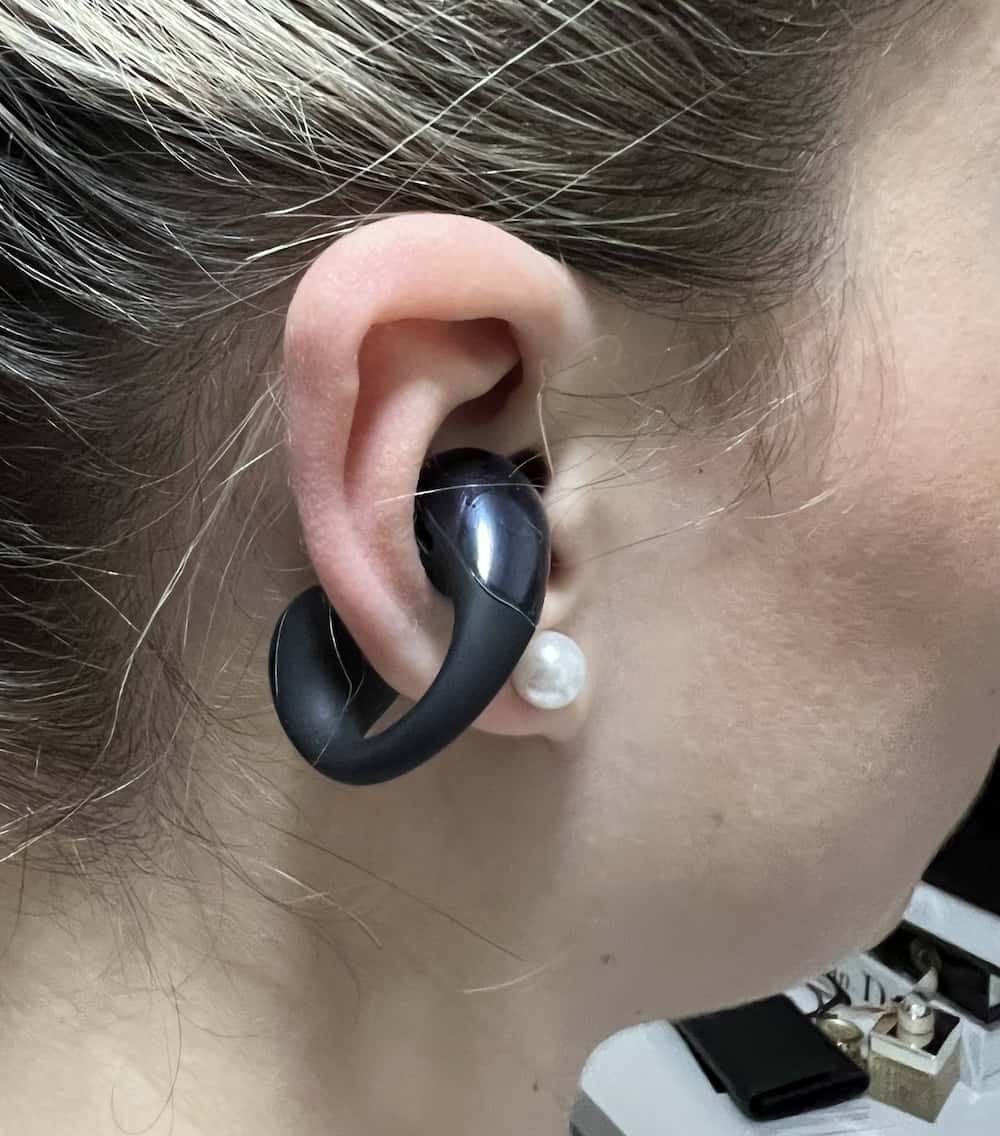
For workouts, the Clip1 stayed in place better. The PearlClip Pro shifted slightly during more intense movement. Neither fell off, but the Clip1 inspired more confidence.
The AutoSense feature on both models is useful. You can put either earbud on either ear, and the channels adjust automatically. This saves time and removes the need to check which side is left or right.
Who Should Buy the Clip1?
Buy the Clip1 if you want LDAC support, Dolby Audio, longer battery life, and more reliable controls. The extra ten dollars gets you meaningful upgrades that show up during daily use. If you use Android and care about audio quality, the LDAC support alone justifies the price.
Who Should Buy the PearlClip Pro?
Buy the PearlClip Pro if you want a budget open-ear earbud that sounds decent and feels light. At $59.99, it offers good value for casual listening.
If you mostly use an iPhone, you lose the LDAC advantage anyway, so the PearlClip Pro becomes a more reasonable choice.
Final Verdict
The Clip1 is the better earbud. The PearlClip Pro is the better value.
If you already own the PearlClip Pro and it works for you, upgrading to the Clip1 is not necessary. The improvements are real but not dramatic. If you are buying your first pair of SOUNDPEATS open-ear earbuds, the Clip1 is the one I would recommend. It fixes the small issues that held back the PearlClip Pro and adds features that make daily use more enjoyable.
For people who spend long hours wearing audio gear, or who need awareness on the street while still hearing their music, the Clip1 is the most complete version of this design that SOUNDPEATS has made so far.