If you’ve been shopping for budget headphones or wireless earbuds, you’ve probably stumbled across Anker’s Soundcore line. They dominate Amazon’s bestseller lists with aggressive pricing and features that seem too good to be true. But here’s the question nobody wants to answer straight: is Anker actually good, or just cheap?
I’ve bought and used eight different Soundcore models since 2022. Some I still use daily. Others broke within months. Let me walk you through what I’ve learned, and more importantly, what you need to know before spending your money.
What Makes Anker Different
Anker started in 2011 making phone chargers and power banks. That’s still what most people know them for. Around 2017, they branched into audio gear under the Soundcore brand. They also run Eufy for smart home stuff and Nebula for projectors.
The audio division caught my attention when the Life Q30 headphones came out in late 2021. Friends kept recommending them on Reddit. The price was $80, but they had features you’d normally find on $200 headphones. I was skeptical but grabbed a pair during a sale.
Three years later, Soundcore is one of the bigger names in budget audio. They’re not trying to compete with Sony or Bose on quality. Instead, they pack mid-tier features into affordable products and hope you’ll overlook the rough edges.
My Testing Background
Before we go further, here’s where I’m coming from. I’m not an audiophile. I don’t own $1,000 studio monitors or test gear. I’m just someone who uses headphones for work calls, gym sessions, gaming, and long flights. I bought most of these Soundcore products with my own money from Amazon or directly from their site.
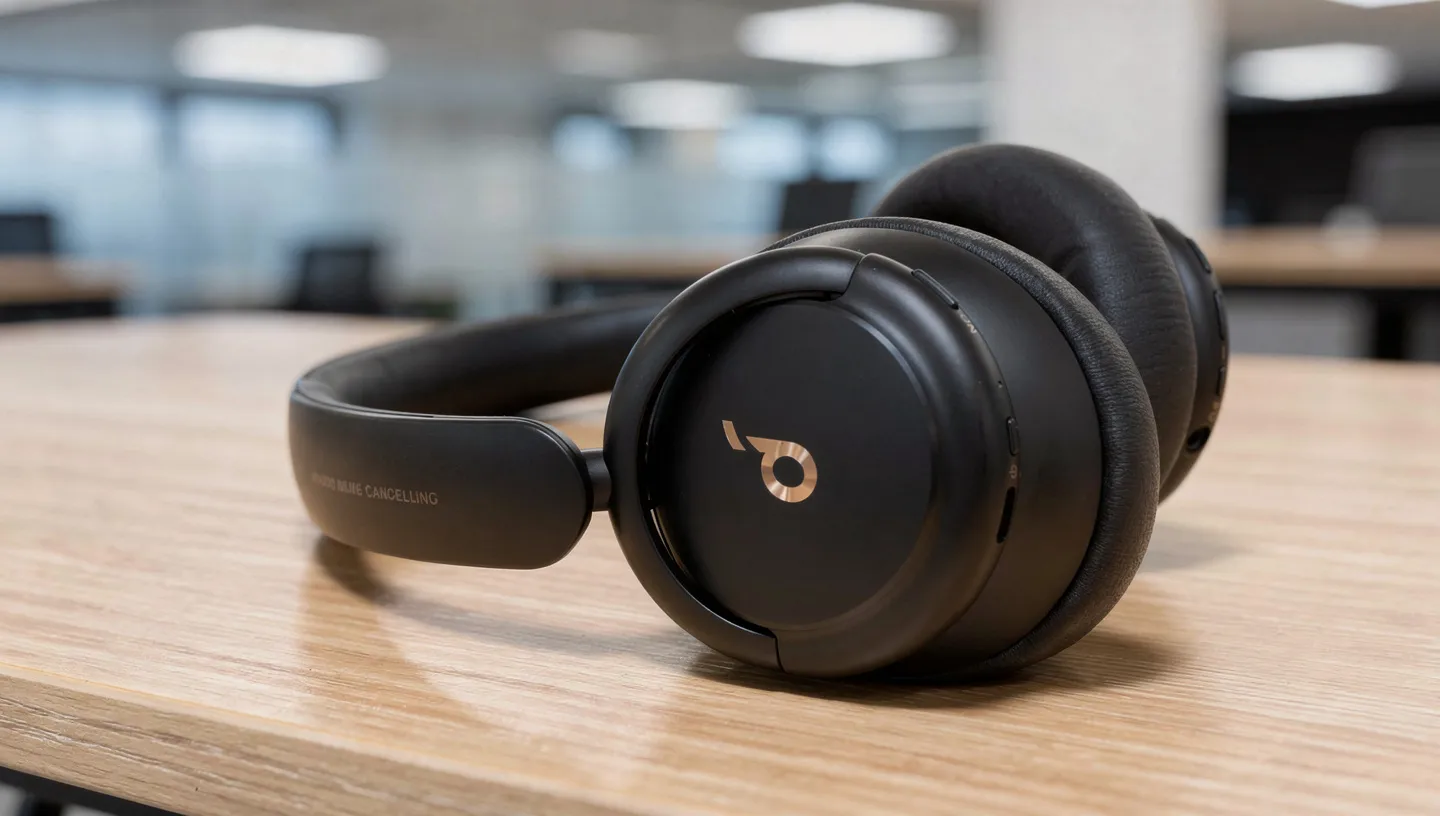
The models I’ve tested include the Life Q30, Space One, Space A40, Liberty 4 NC, P20i, Q20i, AeroFit, and R50i. Some were gifts. A few I returned. One pair went through my washing machine by accident.
Everything I’m sharing here comes from actual use, not a three-day review period. When I say the Q30 hinges cracked after a year, that’s because mine did. When I mention battery degradation on the P20i, it’s because I watched it happen.
Life Q30: The Gateway Drug
The Life Q30 was my first Soundcore purchase. At the time, they cost about $70 on sale. I needed something cheap for a flight from Sarajevo to New York and didn’t want to risk my nicer headphones getting damaged.
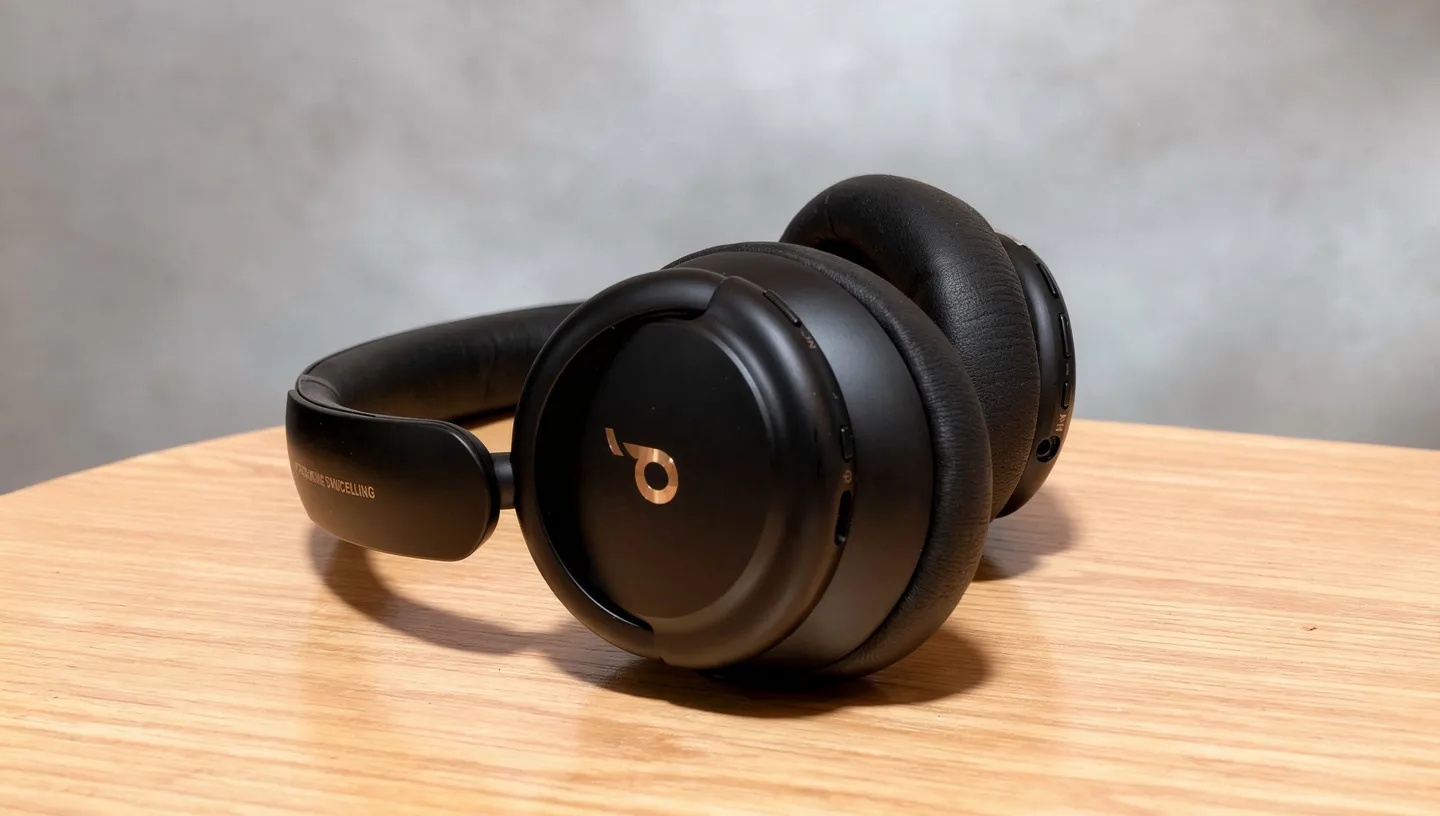
Right out of the box, the bass hit way too hard. Music sounded muddy, vocals were buried, and I almost returned them. Then I found the Soundcore app and dialed down the bass EQ. Suddenly they became tolerable, even enjoyable for casual listening.
The active noise cancellation actually worked, which shocked me. It wasn’t Sony WH-1000XM5 level, but it knocked out airplane engine noise and most coffee shop chatter. For $70, that felt like stealing.
Battery life lived up to the claims. Anker says 40 hours with ANC on. I got somewhere between 38 and 42 hours depending on volume. I could go weeks without charging them during my daily commute. That alone made them worth keeping.
But here’s where things got rough. After about 14 months of regular use, the plastic arms connecting the ear cups to the headband developed small cracks. The padding on the cups started flaking off like old leather. The headband adjustment mechanism creaked every time I moved my head.
They still work. I keep them around as backup headphones. But they look and feel worn out. Compare that to my older Audio-Technica M50x headphones, which I’ve had for six years with minimal wear. Build quality isn’t Soundcore’s strong suit.
Still, I’d buy the Q30 again at $60-80. Just know you’re getting maybe two years of heavy use before things start falling apart.
Space A40: Small But Frustrating
I picked up the Space A40 earbuds in 2023 when they dropped to $55 on Prime Day. These became my gym earbuds for about nine months before the battery started dying faster than I could keep up with.
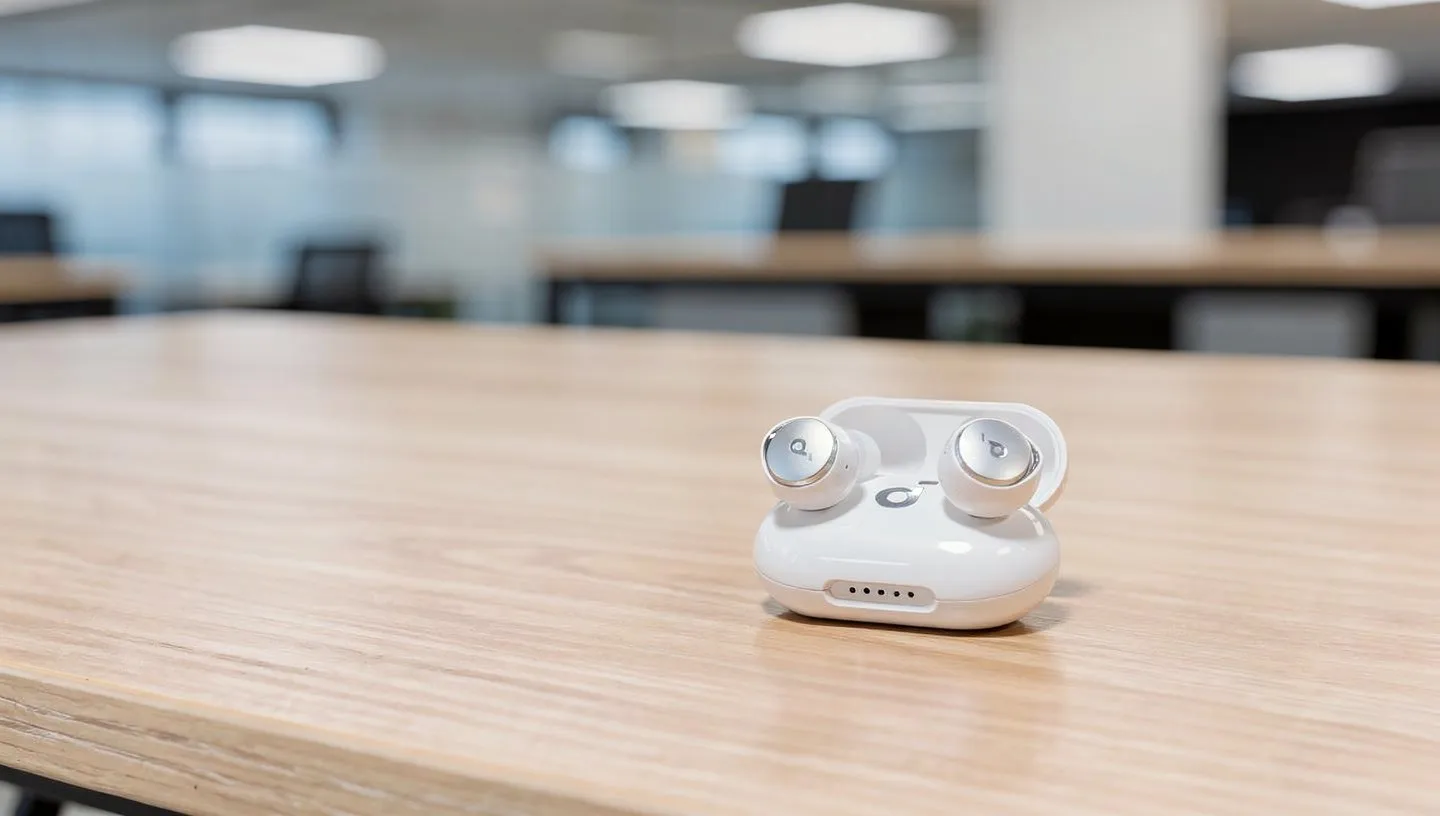
The fit was comfortable. The compact design meant they didn’t stick out of my ears like some stem-style buds. ANC was decent for blocking gym music and treadmill noise. Multipoint Bluetooth meant I could connect to my phone and laptop simultaneously, which actually worked most of the time.
Sound quality was fine. Nothing amazing, but good enough for podcasts and workout playlists. The default EQ had that familiar Soundcore bass boost, but you could tame it in the app.
Here’s what bothered me. The microphone quality was mediocre at best. Colleagues complained I sounded distant on Zoom calls. I tried different positions, different rooms, different devices. Didn’t matter. The mics just weren’t great.
Touch controls were hypersensitive. I’d pause music constantly while adjusting the fit or wiping sweat off my ears. You can customize the controls in the app, but the touch zones are too big. Even disabling certain gestures didn’t help much.
The real killer was battery degradation. After about ten months of daily use, I noticed the advertised 10-hour battery life had dropped to maybe six or seven hours with ANC on. By month 14, I was lucky to get five hours.
I contacted Anker support. They asked for proof of purchase, which I provided. Three weeks later, they sent a replacement pair. The process worked, but it took forever. If you need fast customer service, look elsewhere.
The replacement pair worked fine for another year before the same battery issues started creeping in. That seems to be the pattern with cheaper Bluetooth earbuds. Expect 12-18 months of solid performance, then plan for a replacement.
Liberty 4 NC: The Current Daily Driver
These cost about $100 when I bought them last spring. They’re my most expensive Soundcore purchase and the ones I use most often now.
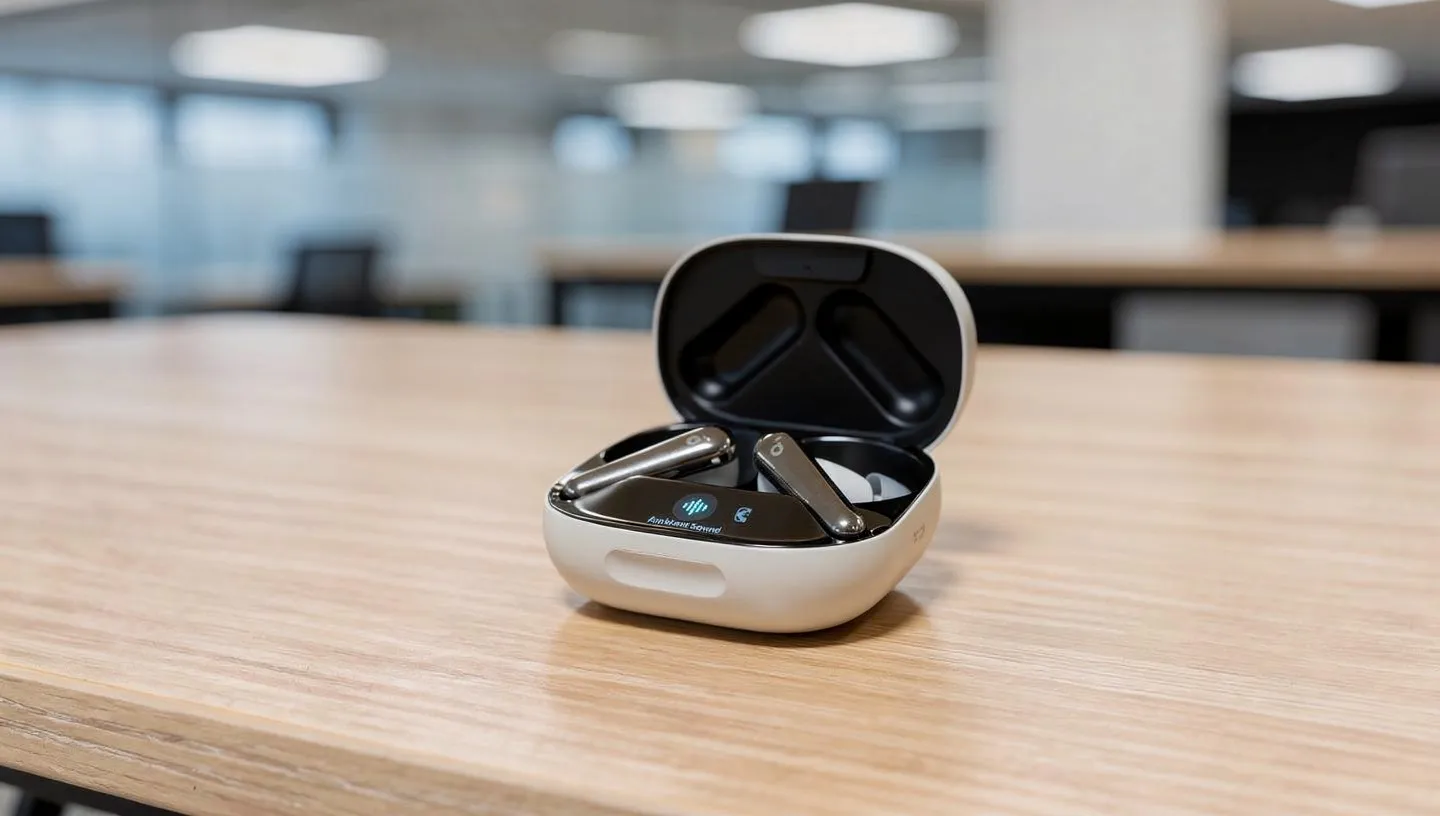
The stem design is similar to AirPods Pro. Some people hate stems. I don’t mind them. They’re easier to grab when taking the buds out, and the fit feels more secure than stemless designs.
ANC performance impressed me. It’s not as strong as my AirPods Pro, but it’s close. Good enough to block most office noise and airplane engines. The transparency mode sounds more natural than the Space A40, though still a bit artificial compared to Apple or Sony.
LDAC support is the standout feature here. If you have an Android phone that supports it, the sound quality noticeably improves. On my Samsung, I could hear more detail and better separation between instruments. It’s not a night-and-day difference, but it’s there.
Battery life claims are 10 hours per charge with ANC on. I usually get eight to nine hours depending on volume and codec. Still plenty for a full workday. The case holds another 40 hours or so. Wireless charging works, which is convenient.
I’ve had these for about eight months now. No major issues yet. Battery life hasn’t degraded noticeably. The case hinge feels sturdier than the Space A40. Touch controls are still sensitive, but I’ve gotten used to them.
For $100, these compete well with similarly priced options from JBL, Skullcandy, and even some lower-tier Sony models. They’re not premium, but they’re solid.
The Budget Stuff: P20i and Q20i
I bought the P20i earbuds for $25 on impulse. They were cheap enough that I figured I’d keep them in my car as emergency backup buds.
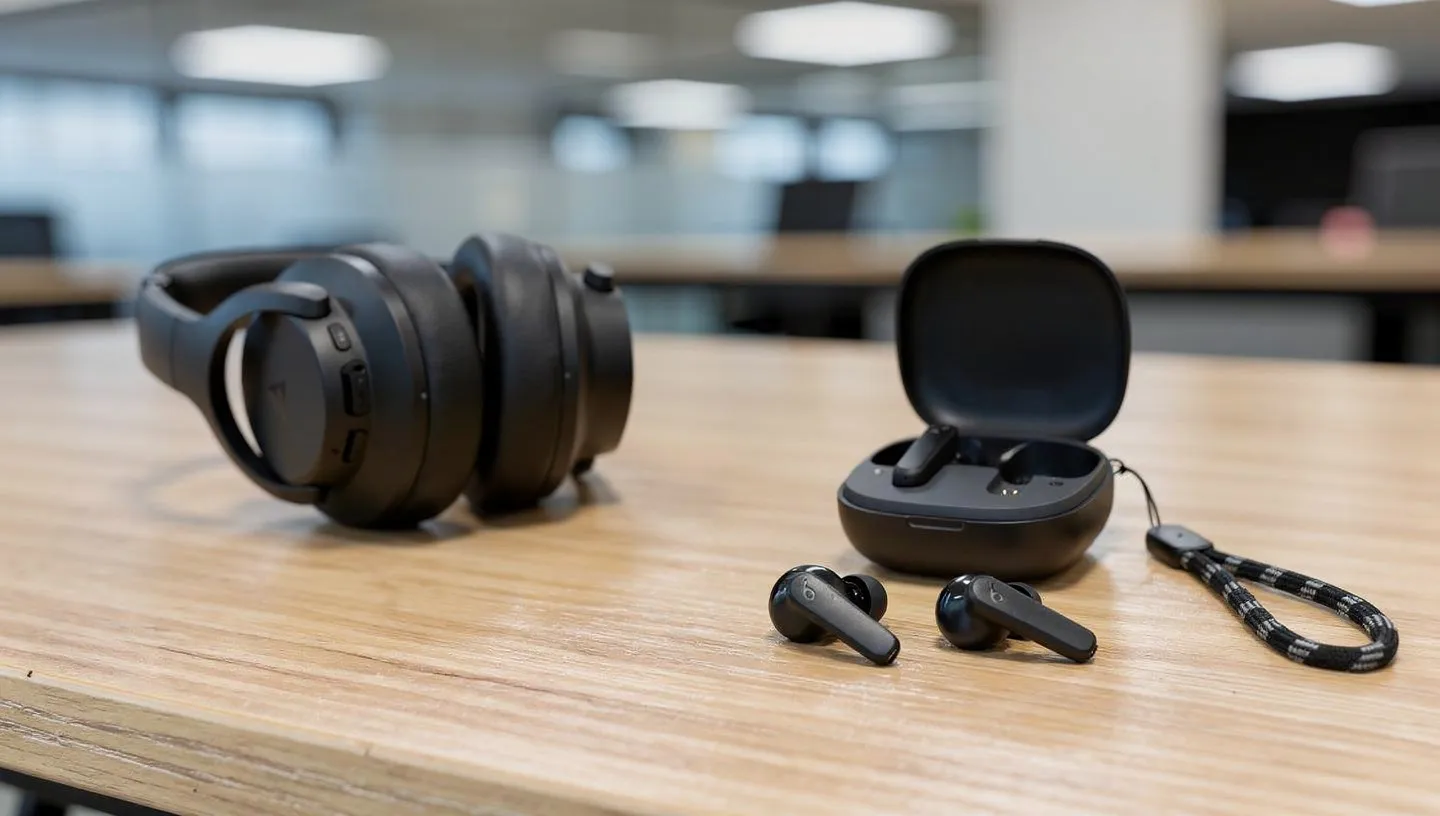
They’re exactly what you’d expect for $25. Plastic build, no ANC, bass-heavy sound, limited features. But they work. Battery lasts around eight hours per charge, which is nuts for this price. The fit is comfortable enough for short sessions.
I gave a pair to my nephew who loses earbuds constantly. He’s gone through three pairs in two years. Each time they break or get lost, I just buy another set. At $25, they’re basically disposable.
The Q20i headphones are the budget version of the Q30. They cost around $50 and offer basic ANC, decent battery life, and app support for EQ adjustments.
I tested a pair for a few weeks before giving them to a friend. Build quality felt cheaper than the Q30. More plastic creaking, lighter weight, less padding. Sound was muddy even after EQ tweaks. ANC worked but wasn’t impressive.
If you’re on a strict budget and need ANC, the Q20i will do the job. But save another $30 if you can and get the Q30 instead. The quality jump is worth it.
Space One: The Disappointing Upgrade
I bought the Space One thinking it would replace my aging Q30. Anker marketed it as an upgrade with better sound and improved ANC. It cost around $100.
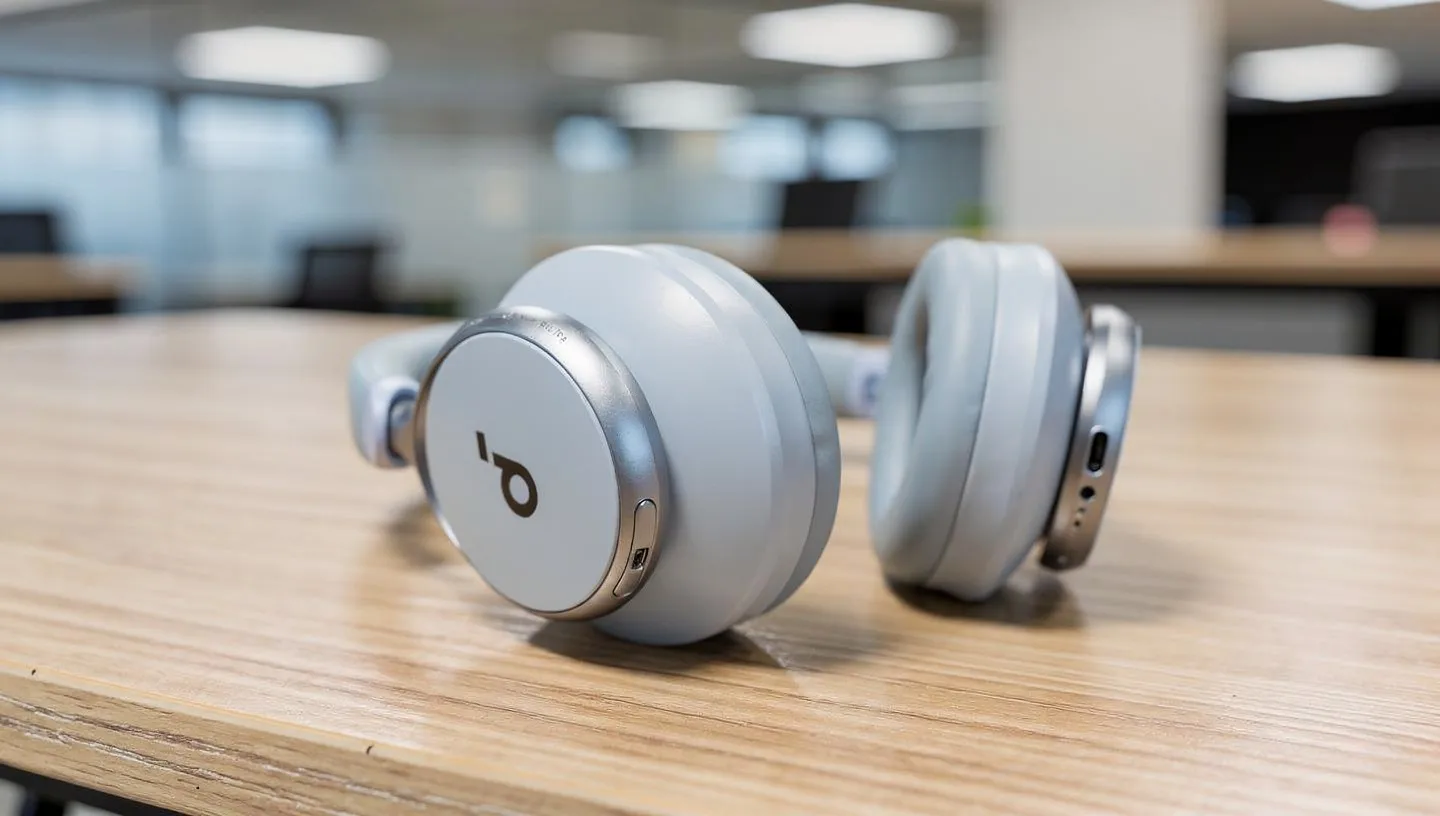
The ANC is slightly better. The foldable design is more compact for travel. The adaptive modes adjust automatically based on your environment, which sometimes works and sometimes doesn’t.
But the sound tuning is worse. Vocals sound thin and recessed compared to the Q30. Even after heavy EQ adjustments, I couldn’t get them to sound as balanced. The bass hits hard, but it lacks control. Fast bass lines sound muddy.
Comfort was also an issue. The ear cups clamp tighter than the Q30, which caused discomfort after about 90 minutes of wear. I have an average-sized head, so this might not bother everyone.
I returned these after two weeks. The Q30 remains my go-to budget over-ear headphones. Don’t let the higher price fool you. The Space One isn’t worth the upgrade unless you specifically need the more compact folding design.
AeroFit: Great for Running, Bad for Music
The AeroFit clip-on earbuds were an experiment. I wanted something for outdoor runs where I needed to hear traffic and cyclists approaching.
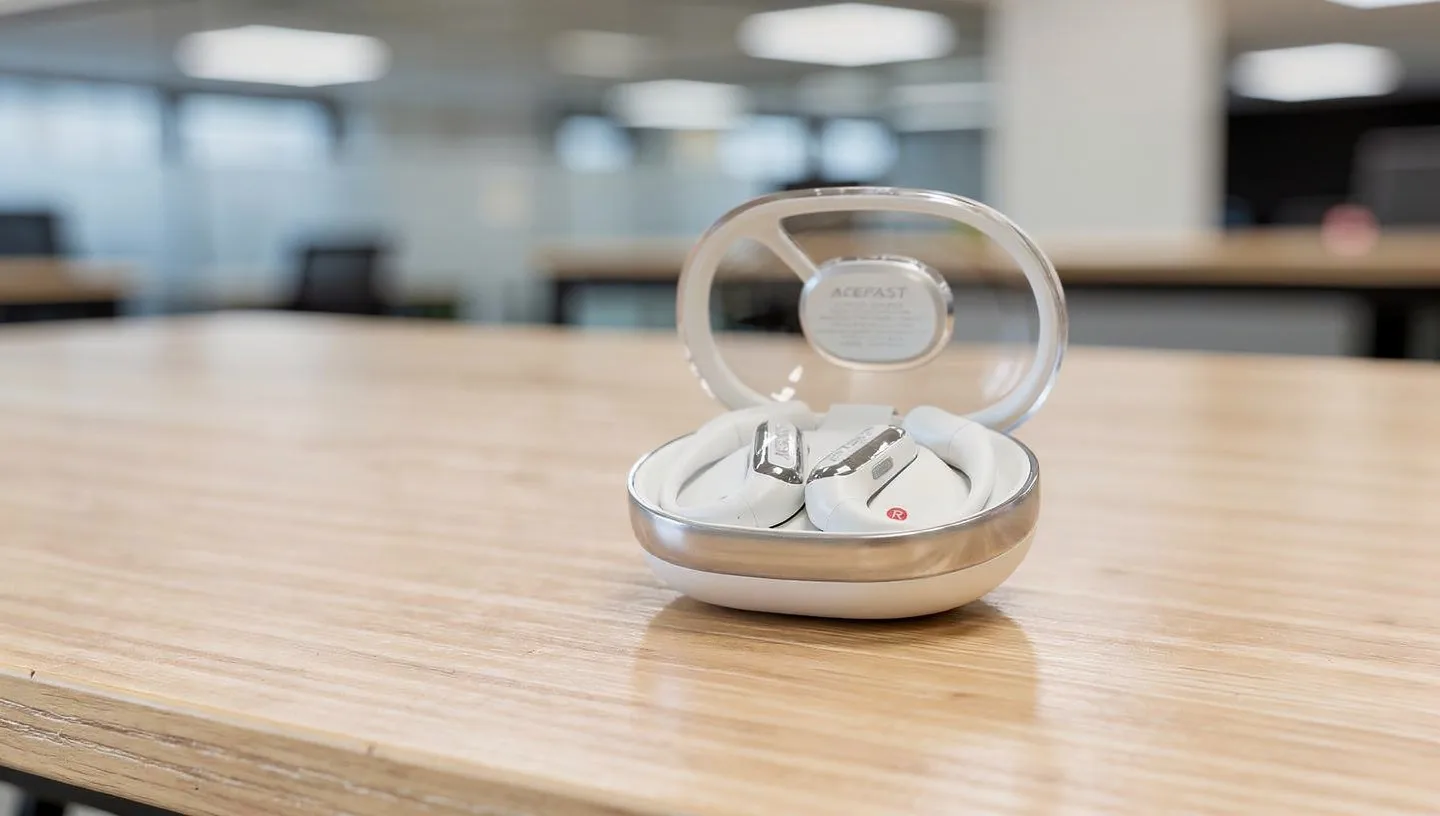
They work exactly as advertised. The clip design stays secure during runs. You can hear your surroundings clearly. Battery lasts about seven hours. They’re IPX7 waterproof, which saved them during an unexpected rainstorm.
But there’s zero bass. The open-ear design means no seal, which kills low-end response. Music sounds thin and tinny. They’re fine for podcasts or audiobooks, but terrible for anything bass-heavy.
At $70, they’re competitive with similar clip-on models from brands like Shokz or Oladance. If you need situational awareness during workouts, they’re worth considering. Just don’t expect good sound quality.
Gaming Performance: Mostly a Miss
I’ve tried using Soundcore headphones for gaming. The results were mixed.

With a wired connection, the Q30 works fine for single-player games. Sound positioning is okay. Comfort holds up during longer sessions. But the microphone is garbage. Don’t use these for voice chat.
The Space A40 and Liberty 4 NC have low-latency gaming modes that reduce Bluetooth delay. I tested them with Valorant, CS2, and some Warzone. The latency is still noticeable compared to wired headphones, but it’s usable for casual play.
For competitive gaming, I wouldn’t recommend Bluetooth headphones at all. Get a proper wired gaming headset with a decent mic. For single-player games or casual multiplayer, Soundcore products can work in a pinch.
Common Problems I’ve Encountered
Battery degradation is the biggest issue. Every Soundcore product I’ve owned for more than a year showed noticeable battery loss. The P20i went from 10 hours to about five hours after seven months. The Space A40 dropped from 10 hours to six hours after similar timeframe.
Anker honored warranty claims when I reached out, but the process took weeks. You’ll need proof of purchase and patience. Phone support is limited in some regions, so expect to handle everything via email.
Hinges and plastic components crack over time. My Q30 arms cracked after 14 months. I’ve seen similar complaints about the Q35 and older models on Reddit. Newer products like the Liberty buds seem better built, but it’s too early to say if they’ll hold up long-term.
Firmware updates sometimes cause issues. One update bricked my Space A40 temporarily. I had to factory reset them twice to get them working again. Always update with both buds at high battery and expect potential hiccups.
Touch controls remain too sensitive across all models. You’ll accidentally pause music or trigger voice assistants regularly until you get used to them. This isn’t unique to Soundcore, but it’s annoying nonetheless.
How They Compare to Competitors
I’ve tested products from JBL, Tozo, SoundPEATS, Skullcandy, and Sony in similar price ranges. Here’s how Anker stacks up.
Against JBL, it’s a toss-up. JBL builds sturdier products with better bass out of the box. Soundcore offers longer battery life and more app features. For value, I’d pick Soundcore. For durability, go with JBL.
Tozo makes decent budget earbuds, but their app support is limited and battery life trails Soundcore. The Tozo NC20 Pro competes with the Space A40, but I prefer Soundcore’s tuning and feature set.
SoundPEATS focuses on audiophile-friendly tuning with advanced chips like the QCC3091. Their sound quality edges out Soundcore for music lovers. But Soundcore’s ANC and battery life are better. Pick SoundPEATS for sound, Soundcore for features.
Skullcandy leans heavy on bass and brand recognition. Sound quality doesn’t match Soundcore in my experience. Their products feel more like fashion accessories than serious audio gear.
Sony and Bose are in a different league entirely. The WH-1000XM5 and QuietComfort Ultra blow Soundcore out of the water for ANC and sound quality. But they cost three to four times more. For most people, Soundcore delivers 70-80% of the experience at 25% of the price.
Who Should Buy Soundcore Products
Students on tight budgets will appreciate the value. The Q30 or Liberty 4 NC offer enough quality for studying, commuting, and casual music listening without breaking the bank.
Commuters benefit from strong battery life and usable ANC. You can block out subway noise and make it through the week on a single charge.
Gym-goers have solid options with the P20i, Liberty 4 NC, or AeroFit. All handle sweat well enough and won’t destroy your budget if you lose or break them.
Frequent travelers might like the Q30 for its battery life and ANC, especially on long flights where charging isn’t convenient.
Audiophiles should look elsewhere. Soundcore tuning is consumer-focused with heavy bass and recessed mids. If you want neutral sound or high-end detail, spend more on better brands.
Competitive gamers need dedicated gaming headsets with better microphones and lower latency. Soundcore products work for casual gaming, but serious players will notice the compromises.
The Bottom Line
Anker isn’t trying to make the best headphones. They’re trying to make good-enough headphones at prices that undercut the competition. Most of the time, they succeed.
You’ll get solid battery life, useful features like LDAC and multipoint Bluetooth, and decent ANC for the money. You’ll also deal with build quality concerns, battery degradation, and average sound tuning.
For me, Soundcore fills a specific role. They’re products I can use daily without worrying too much about damage or loss. When something breaks, replacement doesn’t hurt the wallet. That peace of mind has value.
Would I recommend them? Depends on your priorities. If you want the absolute best sound or longest-lasting build, spend more on Sony, Sennheiser, or Bose. If you want 80% of the performance at a quarter of the price, Soundcore delivers.
Just set your expectations appropriately. These aren’t premium products pretending to be premium. They’re budget products that occasionally punch above their weight.