Not all Bluetooth codecs are created equal. SBC works on every device, but it does not offer the audio quality of more specialized formats. LDAC, Sony’s high-bitrate codec, transmits approximately three times more data than standard Bluetooth audio, reaching up to 990kbps compared to SBC’s 328kbps ceiling. At its highest bitrate, LDAC supports 24-bit/96kHz audio, which is enough to qualify for Hi-Res Audio Wireless certification from the Japan Audio Society. The reality is that most Android phones default to the 660kbps mode for stability, but even at that setting, the improvement over SBC and AAC is noticeable on tracks with fine detail in the upper midrange and treble.
To use LDAC, you need an Android device running Android 8.0 (Oreo) or newer. iPhones do not support LDAC. Sony developed the codec and licenses it through the Android Open Source Project (AOSP), which is why it works on devices from Google, Samsung, OnePlus, Xiaomi, and most other Android manufacturers. Because Sony developed LDAC, its own headphones and earbuds tend to have the tightest implementation, but a growing number of models from Edifier, Nothing, Anker Soundcore, and others now support it too.
Every model on this list has confirmed LDAC support from the manufacturer or from independent testing. No guesswork. These are the best LDAC headphones and earbuds available in 2026.
What Is LDAC?
LDAC is a Bluetooth audio codec developed by Sony. It was introduced in 2015 and added to Android Open Source Project (AOSP) in Android 8.0, making it available across most Android devices without any manufacturer-specific licensing. LDAC operates at three adaptive bitrate modes: 330kbps (connection priority), 660kbps (balanced, the default on most phones), and 990kbps (sound quality priority).
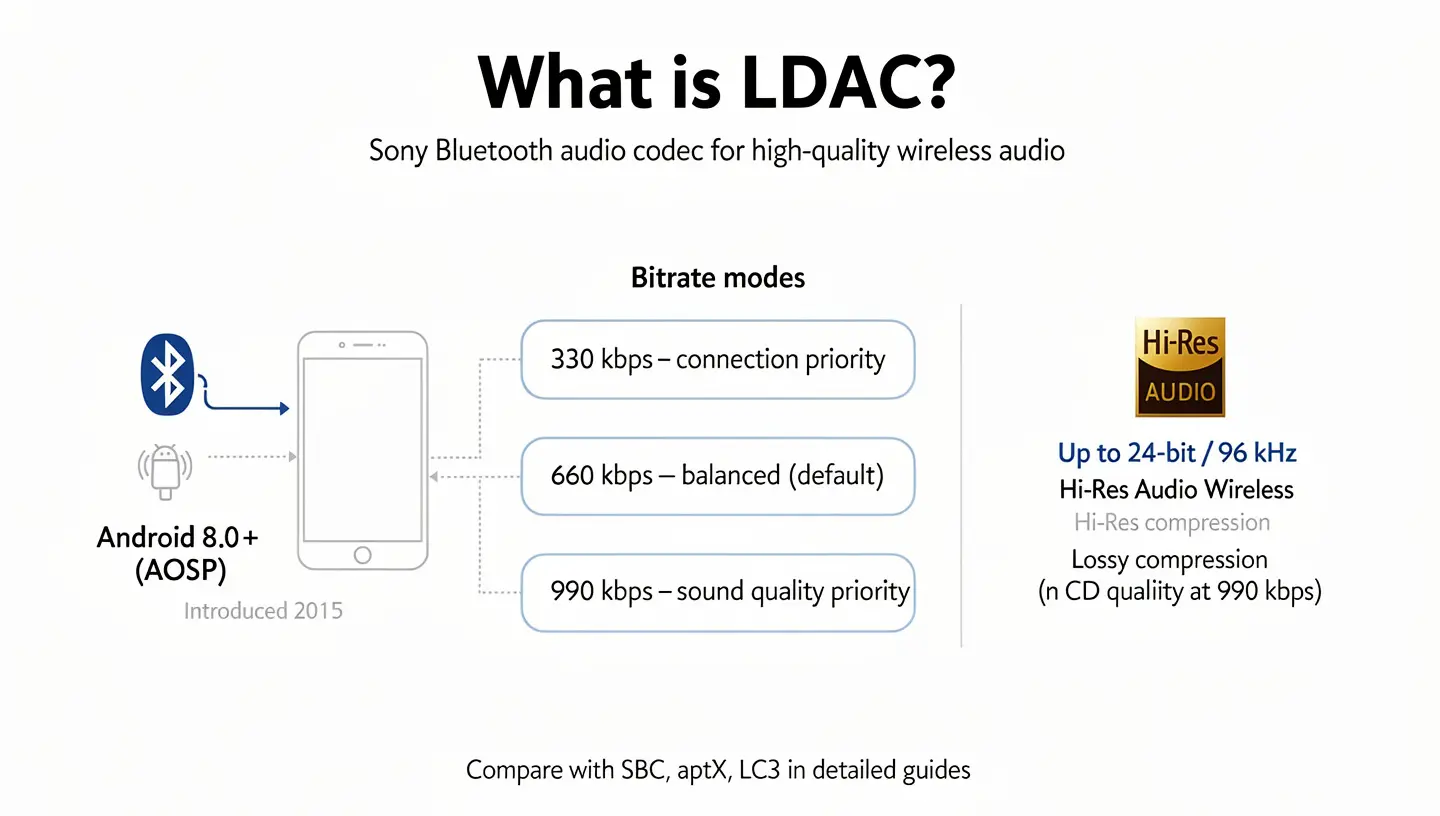
At 990kbps, it comes closer to lossless CD quality than any other widely available Bluetooth codec, though it still uses lossy compression. It supports audio up to 24-bit/96kHz, which meets the Hi-Res Audio Wireless certification threshold set by the Japan Audio Society. For a full breakdown of how LDAC compares to LC3, SBC, and aptX, see our guide on what is LDAC audio.
How LDAC Works
LDAC uses a lossy compression algorithm that analyzes the audio signal and allocates more data to the frequency bands that carry the most perceptual weight. At 990kbps, the codec transmits enough data to preserve high-frequency detail from 24-bit source files that SBC and AAC compress heavily. The three bitrate modes give the codec flexibility to adapt to Bluetooth radio conditions.
When the connection is strong and stable, the phone transmits at 990kbps. When congestion or distance weakens the signal, it drops to 660kbps or 330kbps to maintain a stable connection without dropout. Most Android phones let you set the LDAC bitrate preference manually in developer options. Setting it to “optimize for audio quality” forces the phone to attempt 990kbps whenever signal conditions allow, rather than defaulting to 660kbps automatically.
LDAC and Hi-Res Audio Wireless
LDAC is one of four codecs to carry the Hi-Res Audio Wireless certification from the Japan Audio Society, alongside LHDC, LC3plus HR mode, and MQair. The certification requires the codec to support at least 24-bit/96kHz audio at a bitrate that preserves enough detail to pass both objective measurements and subjective listening tests. LDAC at 990kbps meets that threshold. For headphones to display the Hi-Res Audio Wireless logo, they must support LDAC and meet the JAS hardware requirements for frequency response and driver performance. For a direct comparison between LDAC and Bluetooth LE Audio, see our guide on Bluetooth LE Audio vs LDAC.
Best LDAC Headphones Overall: Sony WH-1000XM6
The Sony WH-1000XM6 is the best pair of LDAC ANC wireless headphones available in 2026. Released in May 2025 at $449.99, it is the direct successor to the WH-1000XM5 and represents the most refined version of Sony’s flagship ANC formula to date. The headline improvement is the new HD Noise Cancelling Processor QN3, which processes external sound seven times faster than the previous chip. Combined with 12 microphones, up from eight on the XM5, the adaptive ANC system reads the acoustic environment in real time and adjusts continuously as conditions change.
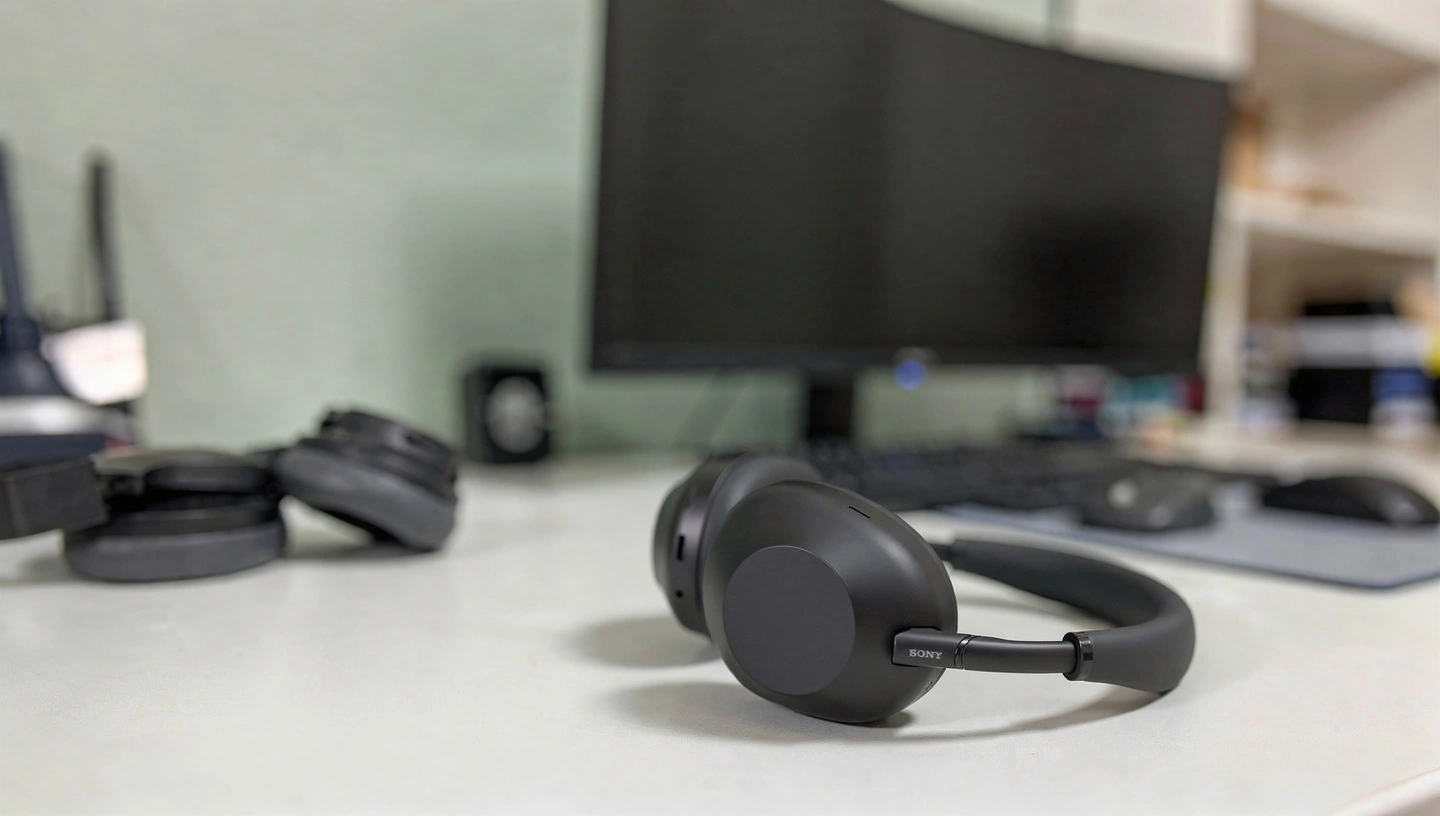
ANC performance is among the best measured on any over-ear headphone. The 30mm carbon fibre drivers deliver a slightly warm tuning with elevated bass that most listeners will enjoy without needing to adjust anything. A full 10-band EQ is available in the Sony Sound Connect app, along with Sony 360 Reality Audio and a Cinema Mode for spatial audio during video playback. LDAC support is confirmed alongside AAC, SBC, and LC3. Battery life is 30 hours with ANC on and 40 hours without. A three-minute quick charge over USB-C adds three hours of playback. The XM6 folds flat with a more robust design than the XM5, and multipoint connects two devices simultaneously.
| Spec | Sony WH-1000XM6 |
|---|---|
| Price | $449.99 |
| Codecs | LDAC, AAC, SBC, LC3 |
| ANC | Yes, adaptive, 87% average attenuation |
| Battery | 30h ANC on / 40h ANC off |
| Bluetooth | 5.3 |
| Multipoint | Yes (2 devices) |
| Hi-Res Wireless | Yes (LDAC) |
Best LDAC Headphones Premium Alternative: Sony WH-1000XM5
The Sony WH-1000XM5 remains a strong choice for anyone who does not want to pay $450 for the XM6. At around $299 to $320, it offers the same LDAC support, the same 30-hour battery with ANC on, and very similar ANC performance that still ranks among the top tier for over-ear headphones. The sound signature is warm and consumer-friendly, with a slightly heavier low end than the XM6. The app experience is near-identical: multipoint, 10-band EQ, DSEE Extreme upscaling, and Speak-to-Chat. If you want to understand how the phone you use affects what you hear from these headphones, our guide on how your phone changes headphone sound covers the practical differences between Android and iOS audio output.
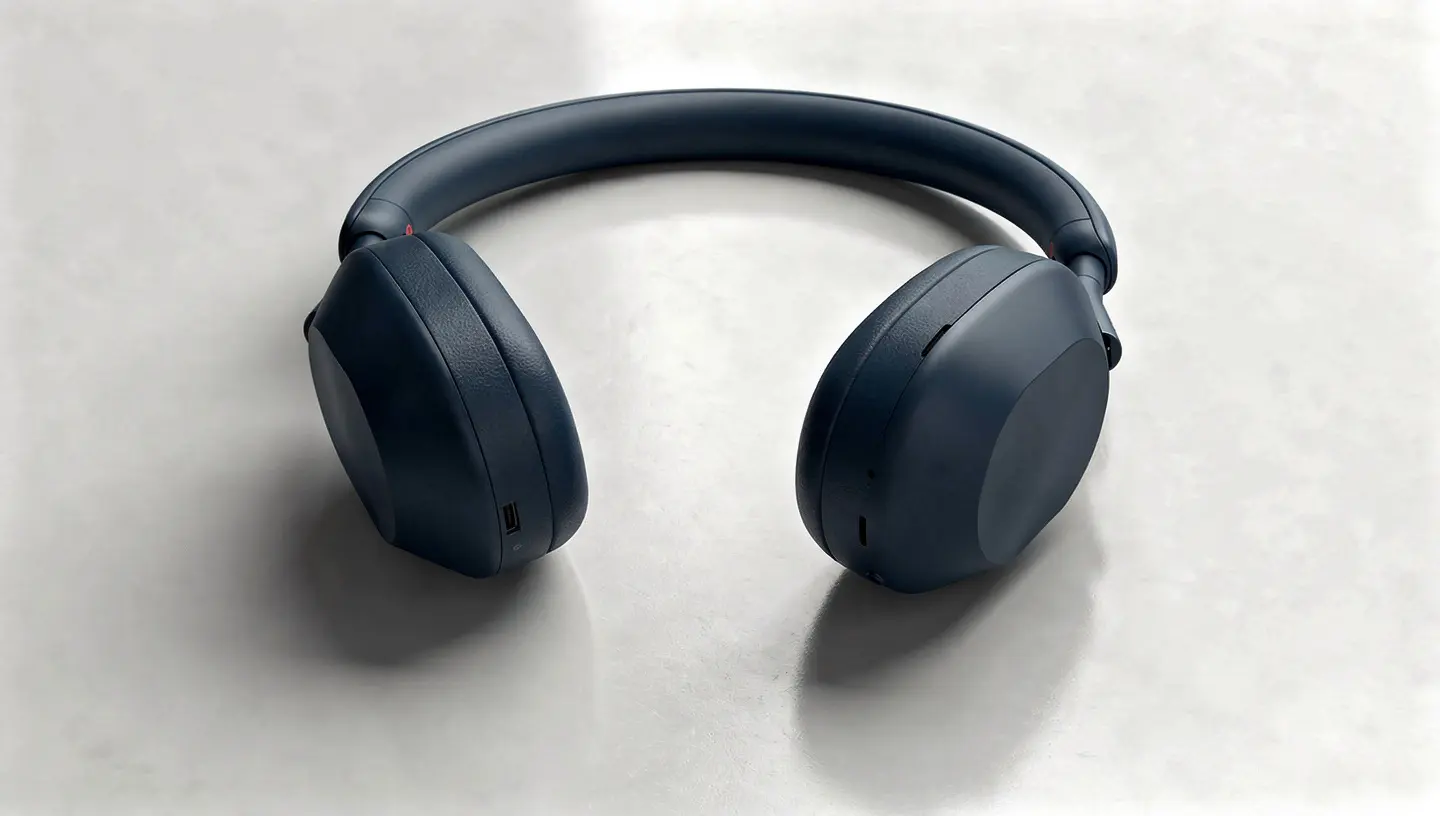
The differences worth knowing: the XM5 has a non-folding flat design that makes it slightly bulky for travel, the hinge has been documented as fragile by multiple reviewers over years of use, and ANC does not adapt as quickly as the XM6’s QN3 processor allows. But at $150 less and with the same LDAC implementation, the XM5 is still one of the best LDAC Bluetooth headphones you can buy without spending flagship money.
| Spec | Sony WH-1000XM5 |
|---|---|
| Price | ~$299-320 |
| Codecs | LDAC, AAC, SBC |
| ANC | Yes |
| Battery | 30h ANC on / 40h ANC off |
| Bluetooth | 5.2 |
| Multipoint | Yes (2 devices) |
| Hi-Res Wireless | Yes (LDAC) |
Best LDAC Headphones for Battery Life: Nothing Headphone (a)
The Nothing Headphone (a) launched in March 2026 at $199 and immediately became the strongest mid-range challenger on this list. The headline specification is battery life: up to 135 hours with ANC off using the AAC codec, and up to 75 hours with ANC on. With LDAC active, battery drops to approximately 62 hours with ANC on, which is still more than double what the Sony WH-1000XM6 offers. A five-minute quick charge delivers five hours of playback with ANC on.
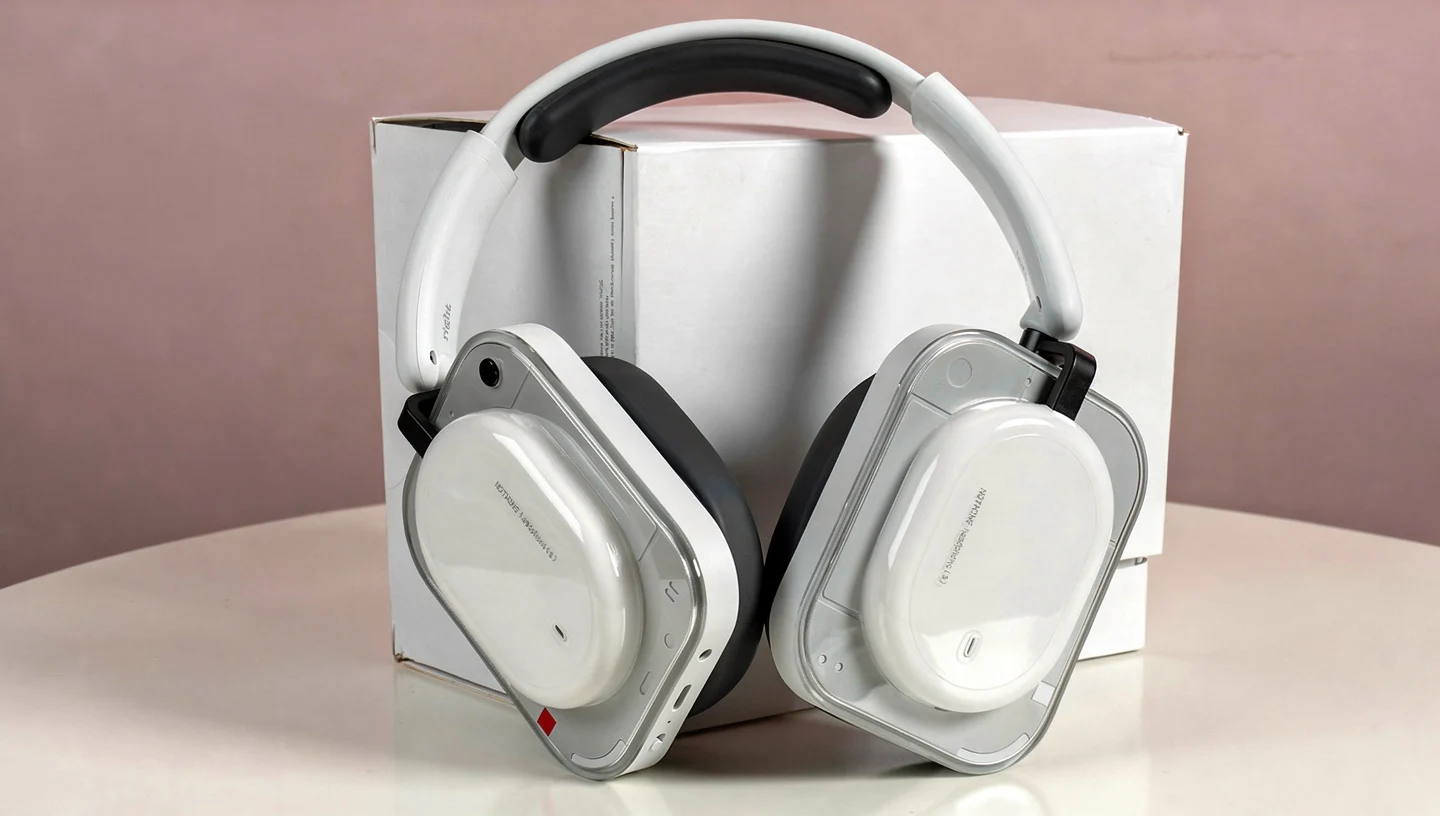
Inside are 40mm titanium-coated dynamic drivers with a frequency response of 20Hz to 40kHz. LDAC support is confirmed, reaching up to 990kbps and 24-bit/96kHz. ANC cancels up to 40dB of external noise across three manual settings plus an adaptive mode. Physical controls include a roller, paddle, and button on the earcup. The build is IP52-rated for dust and light moisture. Bluetooth 5.4 handles multipoint for two simultaneous devices. For a breakdown of what Bluetooth 5.4 adds over previous versions, see our guide on Bluetooth 5.4 explained.
| Spec | Nothing Headphone (a) |
|---|---|
| Price | $199 |
| Codecs | LDAC, AAC, SBC |
| ANC | Yes, up to 40dB, adaptive |
| Battery | 75h ANC on / 135h ANC off |
| Bluetooth | 5.4 |
| Multipoint | Yes (2 devices) |
| IP Rating | IP52 |
Check Nothing Headphone on Amazon
Best Budget LDAC ANC Wireless Headphones: Edifier W830NB
The Edifier W830NB is the strongest argument for spending under $80 on LDAC ANC wireless headphones. At around $79, it supports LDAC at up to 990kbps with Hi-Res Audio certification, which is a feature most manufacturers reserve for headphones costing two or three times as much. ANC reaches -45dB, Bluetooth is version 5.4, and battery life is rated at 54 hours with ANC on and 94 hours with ANC off. If you want to know more about the brand before buying, our guide on is Edifier a good brand for headphones covers its full product range and quality track record.
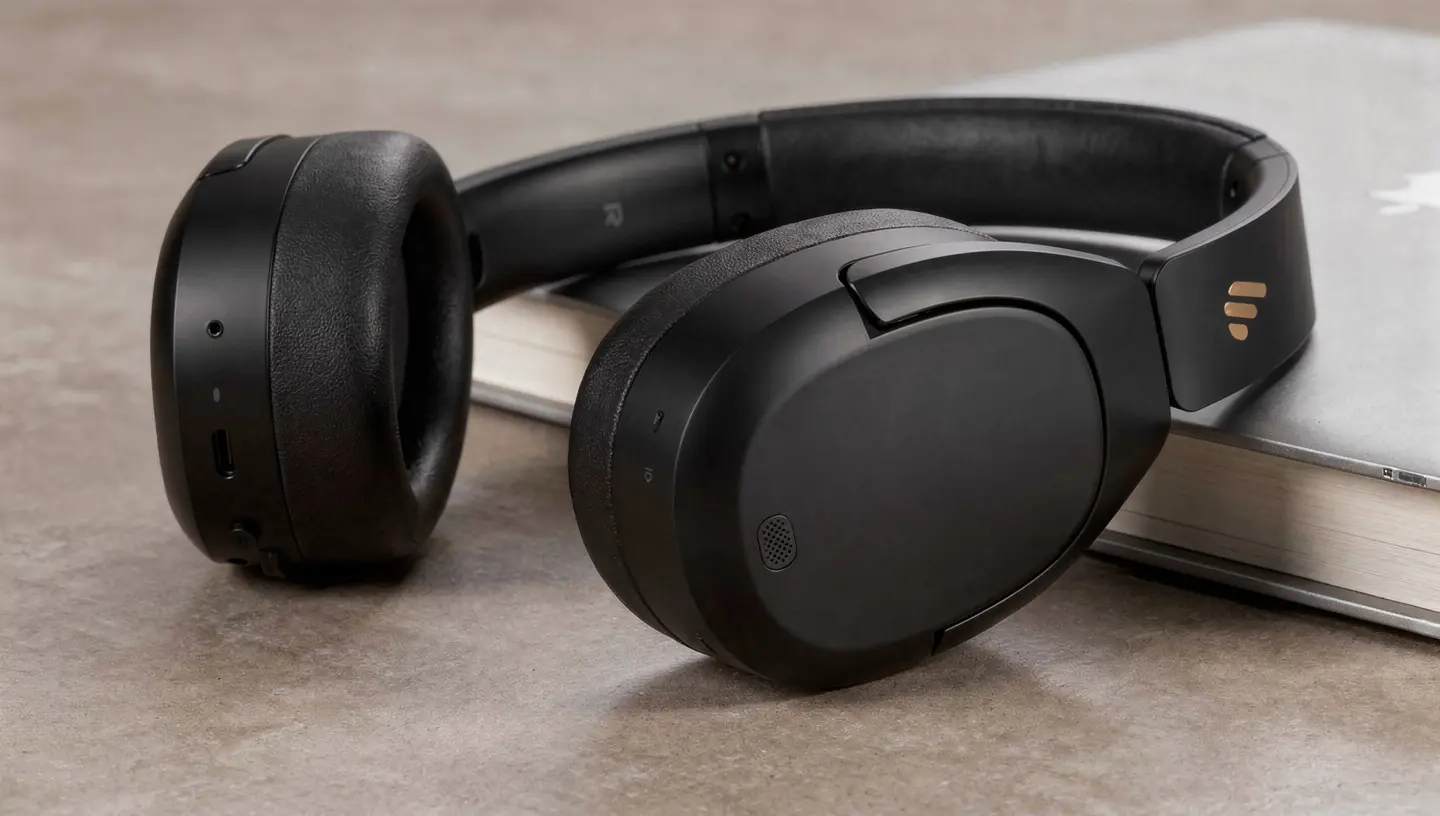
What sets the W830NB apart at this price is the Edifier ConneX app, which offers a four-band parametric EQ with adjustable Q values. USB-C wired audio is supported alongside Bluetooth, and ANC and transparency mode stay active in wired mode while the headphones charge simultaneously. Multipoint connects two devices at once. The tradeoffs are real: no carrying case, no IP rating, and the plastic build scratches easily. But for any Android user who wants LDAC support, 54 hours of battery with ANC on, parametric EQ, and a -45dB noise floor at under $80, the W830NB has no real competition at its price point.
| Spec | Edifier W830NB |
|---|---|
| Price | ~$79 |
| Codecs | LDAC, AAC, SBC |
| ANC | Yes, -45dB |
| Battery | 54h ANC on / 94h ANC off |
| Bluetooth | 5.4 |
| Multipoint | Yes |
| Hi-Res Wireless | Yes (LDAC) |
Check Edifier W830NB on Amazon
Best Budget LDAC Headphones Under $100: Anker Soundcore Space Q45
The Anker Soundcore Space Q45 sits at around $80 and has been a consistent recommendation for budget LDAC Bluetooth headphones since its release. LDAC support is confirmed, reaching 990kbps, but it requires manual activation through the Soundcore app.
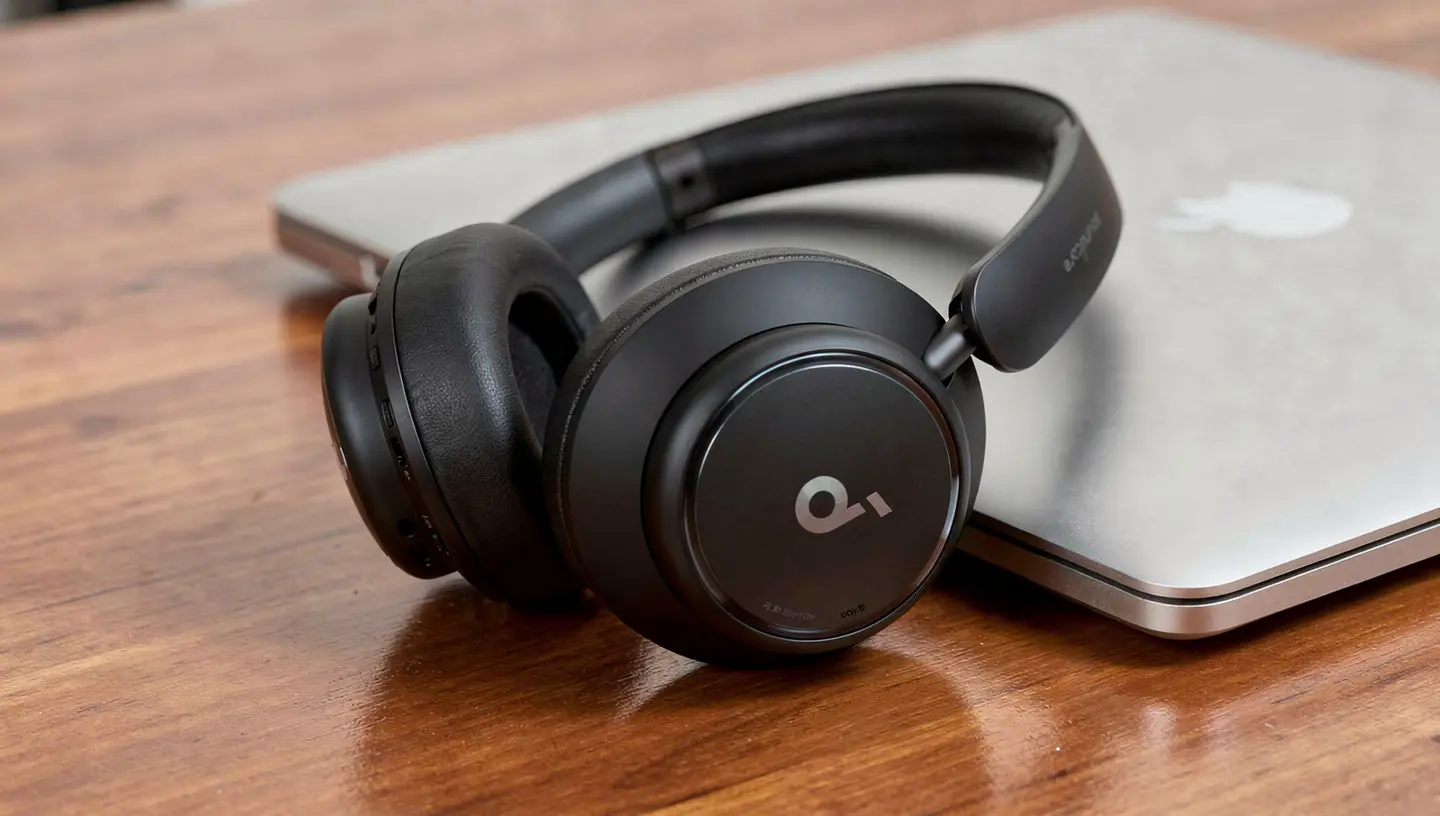
The headphones turn off and back on when switching to LDAC mode. ANC reduces ambient noise adaptively, battery life is 50 hours with ANC on and 65 hours with ANC off, and a 5-minute fast charge adds 4 hours of playback. If you want to know whether Anker makes reliable products overall, our guide on is Anker a good brand covers the full picture. One limitation worth knowing: LDAC and multipoint cannot be used simultaneously on the Space Q45.
| Spec | Anker Soundcore Space Q45 |
|---|---|
| Price | ~$80 |
| Codecs | LDAC, AAC, SBC (LDAC via app) |
| ANC | Yes, adaptive |
| Battery | 50h ANC on / 65h ANC off |
| Bluetooth | 5.3 |
| Multipoint | Yes (not simultaneously with LDAC) |
Best LDAC Headphones for Studio Listening: Nothing Headphone (1)
The Nothing Headphone (1) launched at $299 with a KEF-tuned sound profile and LDAC support up to 990kbps and 24-bit/96kHz. KEF, the British hi-fi speaker company, handled the acoustic tuning of the 40mm dynamic drivers, which gives the Headphone (1) a more neutral and detailed character than most consumer-oriented ANC headphones at this price. ANC reaches up to 42dB attenuation through an adaptive real-time system. Bluetooth 5.3 handles multipoint for two devices.
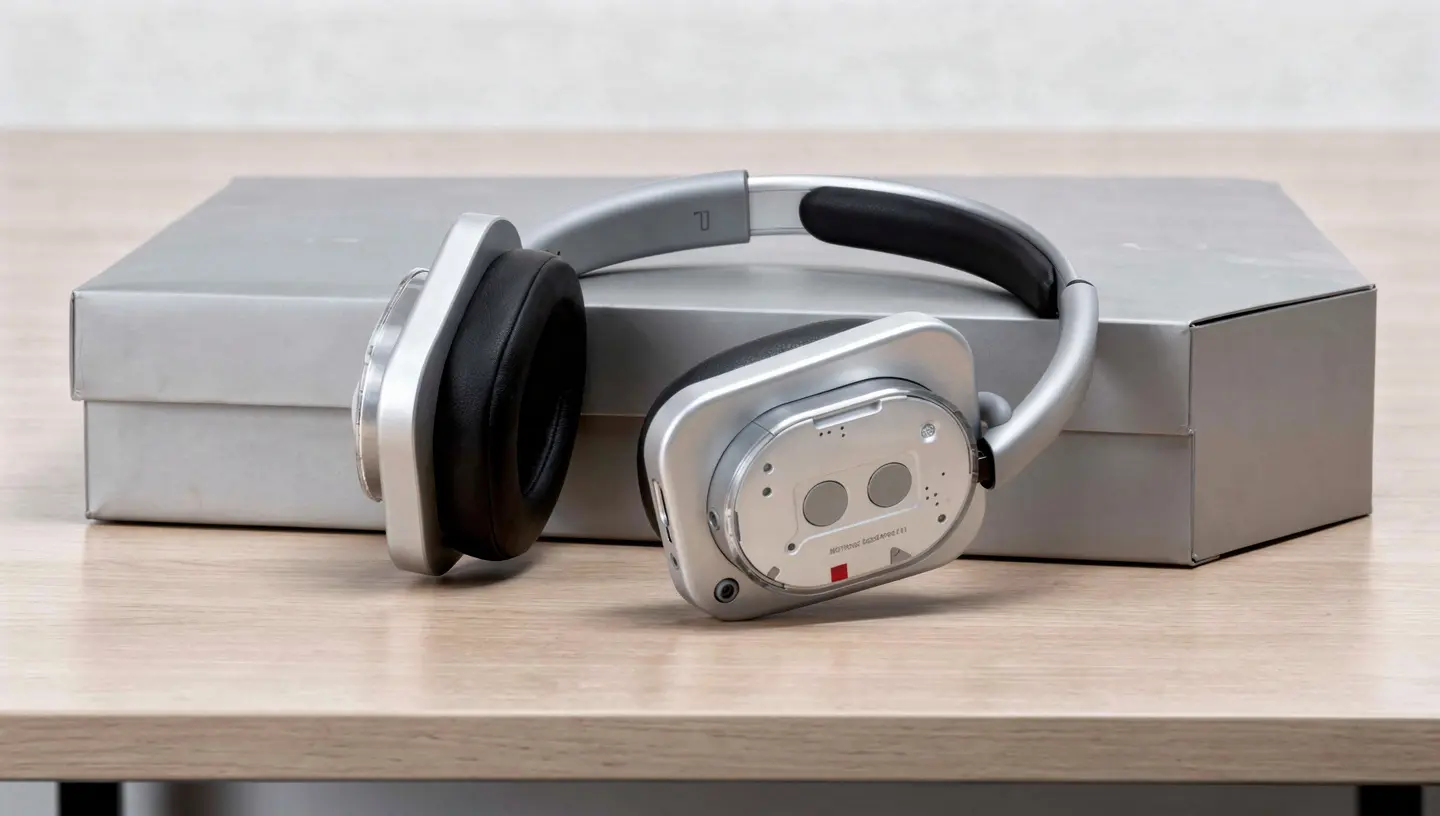
The Nothing X app offers a full parametric EQ, personal sound profile, and spatial audio settings. Physical controls include a roller, paddle, and button on the right earcup. IP52 protects against dust and light moisture. For a broader look at what separates hi-fi headphones from consumer models, see our guide on what are hi-fi headphones.
| Spec | Nothing Headphone (1) |
|---|---|
| Price | $299 |
| Codecs | LDAC, AAC, SBC |
| ANC | Yes, up to 42dB, adaptive |
| Battery | 35h ANC on / 80h ANC off |
| Bluetooth | 5.3 |
| IP Rating | IP52 |
| Tuning | Sound by KEF |
Check Nothing Headphone 1 on Amazon
Best LDAC Earbuds Overall: Sony WF-1000XM6
The Sony WF-1000XM6 are Sony’s best wireless earbuds to date, released in February 2026 at $329.99. LDAC support is confirmed alongside SBC and AAC. ANC delivers an 88% average reduction in loudness across all frequencies, an improvement over the WF-1000XM5’s 87%. Eight microphones give the ANC system more data to work with, and call quality improved significantly over the XM5. Battery life is 8 hours per charge with ANC on, extending to 32 hours total with the case.
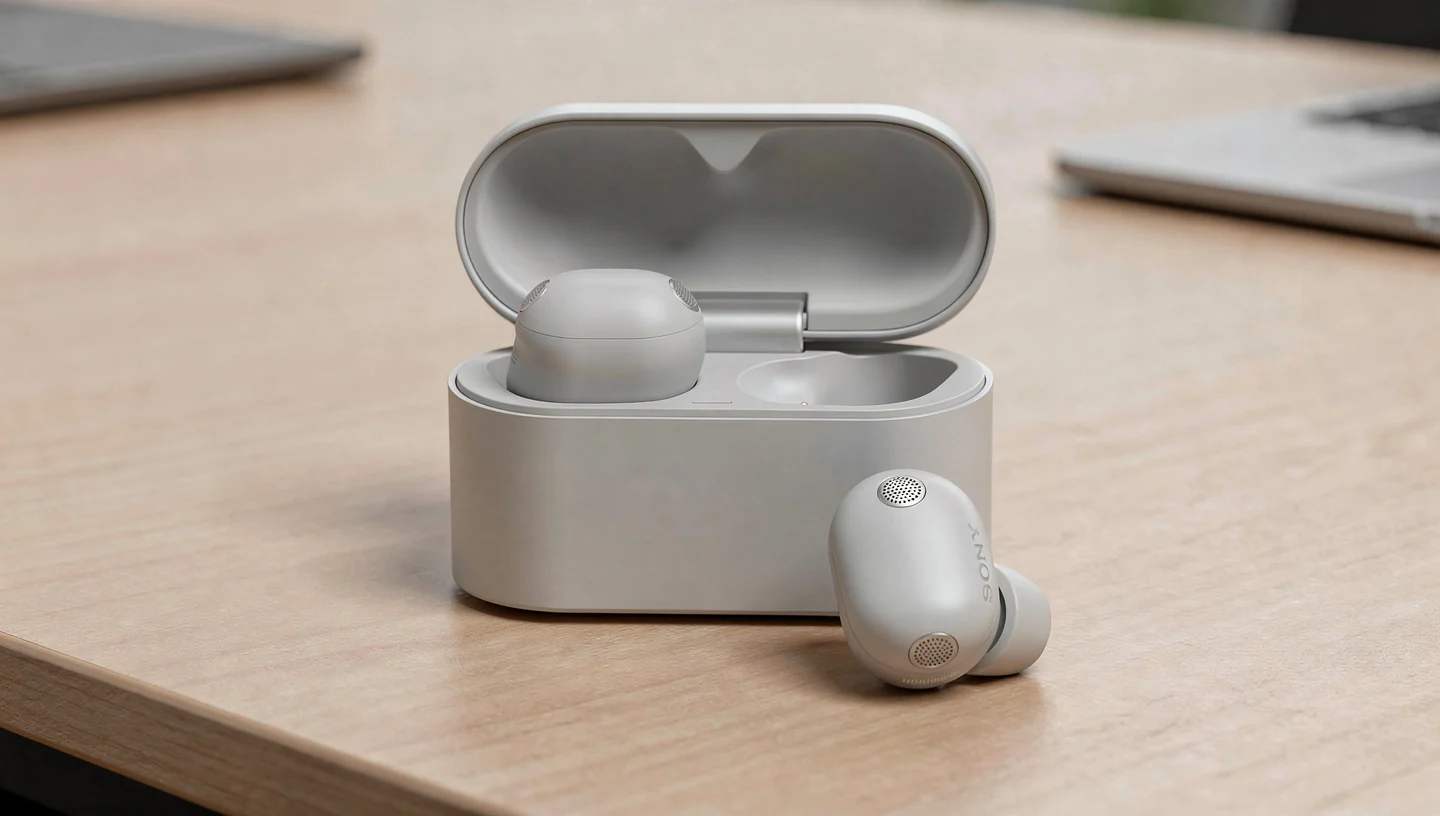
IPX4 handles sweat and light rain. The Sony Sound Connect app offers a full EQ, DSEE Ultimate upscaling, and Speak-to-Chat. For a full technical breakdown of active noise cancellation and how it works, see our guide on active noise canceling explained.
| Spec | Sony WF-1000XM6 |
|---|---|
| Price | $329.99 |
| Codecs | LDAC, AAC, SBC |
| ANC | Yes, 88% average attenuation |
| Battery | 8h + 32h case |
| Bluetooth | 5.3 |
| IP Rating | IPX4 |
Best LDAC Earbuds Mid-Range: Sony WF-1000XM5
The Sony WF-1000XM5 sit at $199 to $229 and remain one of the best LDAC headphones in the true wireless earbud category. LDAC is confirmed, supporting 990kbps and 24-bit/96kHz. ANC performance holds at 87% average attenuation. The 8.4mm dynamic drivers deliver detailed sound with natural mids and controlled bass. Battery is 8 hours per earbud with ANC on and 24 hours total with the case.
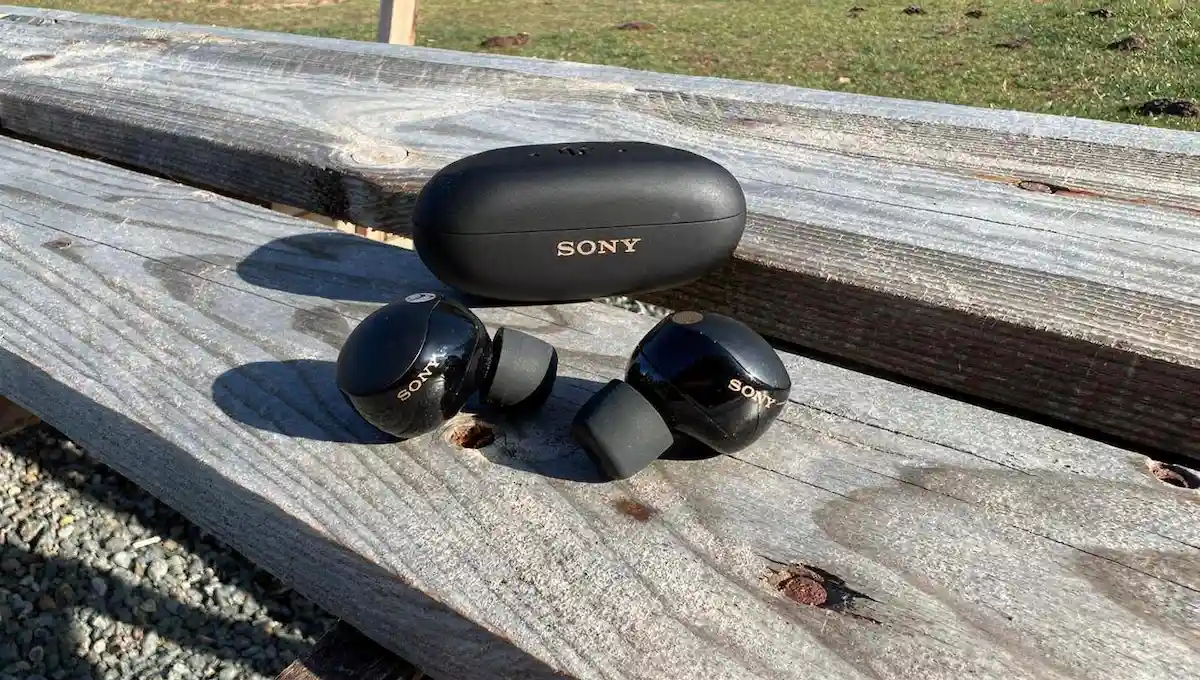
IPX4 protects against sweat and rain. For a full comparison of codec performance across Bluetooth standards, see our guide on Bluetooth codecs: LDAC, LC3, aptX, and SBC.
| Spec | Sony WF-1000XM5 |
|---|---|
| Price | ~$199-229 |
| Codecs | LDAC, AAC, SBC |
| ANC | Yes, 87% average attenuation |
| Battery | 8h + 24h case |
| Bluetooth | 5.3 |
| IP Rating | IPX4 |
Best Budget LDAC Earbuds: Nothing Ear (3)
The Nothing Ear (3) launched at $179 and deliver LDAC support up to 990kbps alongside ANC that SoundGuys measured at 82% average noise reduction. The 12mm dynamic drivers earn a 4.7 MDAQS score. The sound signature has a V-shape with elevated bass and clear treble. The Nothing X app offers a full parametric EQ with adjustable Q values, a personal sound hearing test, and QR code sharing for custom EQ profiles.
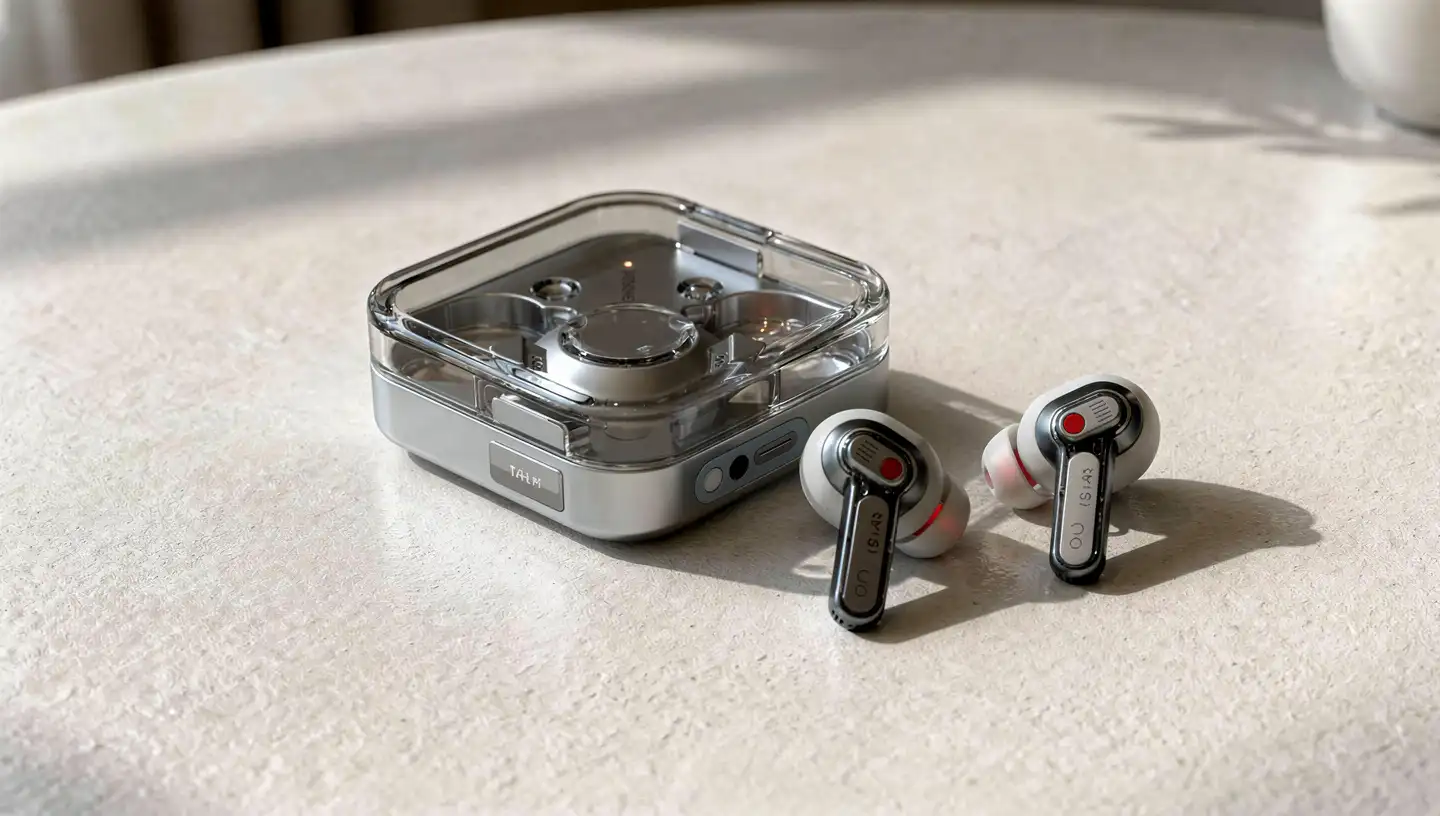
Bluetooth 5.3 handles multipoint and Auracast broadcast audio. IP54 protects against dust, sweat, and light rain. Battery is around 5 hours with ANC on and 22 hours total with the case. For more on how the chips inside earbuds determine codec support, see our guide on wireless earbud chips explained.
| Spec | Nothing Ear (3) |
|---|---|
| Price | $179 |
| Codecs | LDAC, LHDC, AAC, SBC |
| ANC | Yes, 82% average attenuation |
| Battery | 5h + 22h case (ANC on) |
| Bluetooth | 5.3 |
| IP Rating | IP54 |
Check Nothing Ear (3) on Amazon
Best LDAC Earbuds Under $100: Anker Soundcore Liberty 4 NC
The Anker Soundcore Liberty 4 NC sit at $99.99 and deliver LDAC support at the same level as earbuds costing two to three times more. ANC is confirmed. Battery life is 10 hours per earbud with ANC on and 50 hours total with the case. Bluetooth 5.3 handles multipoint.
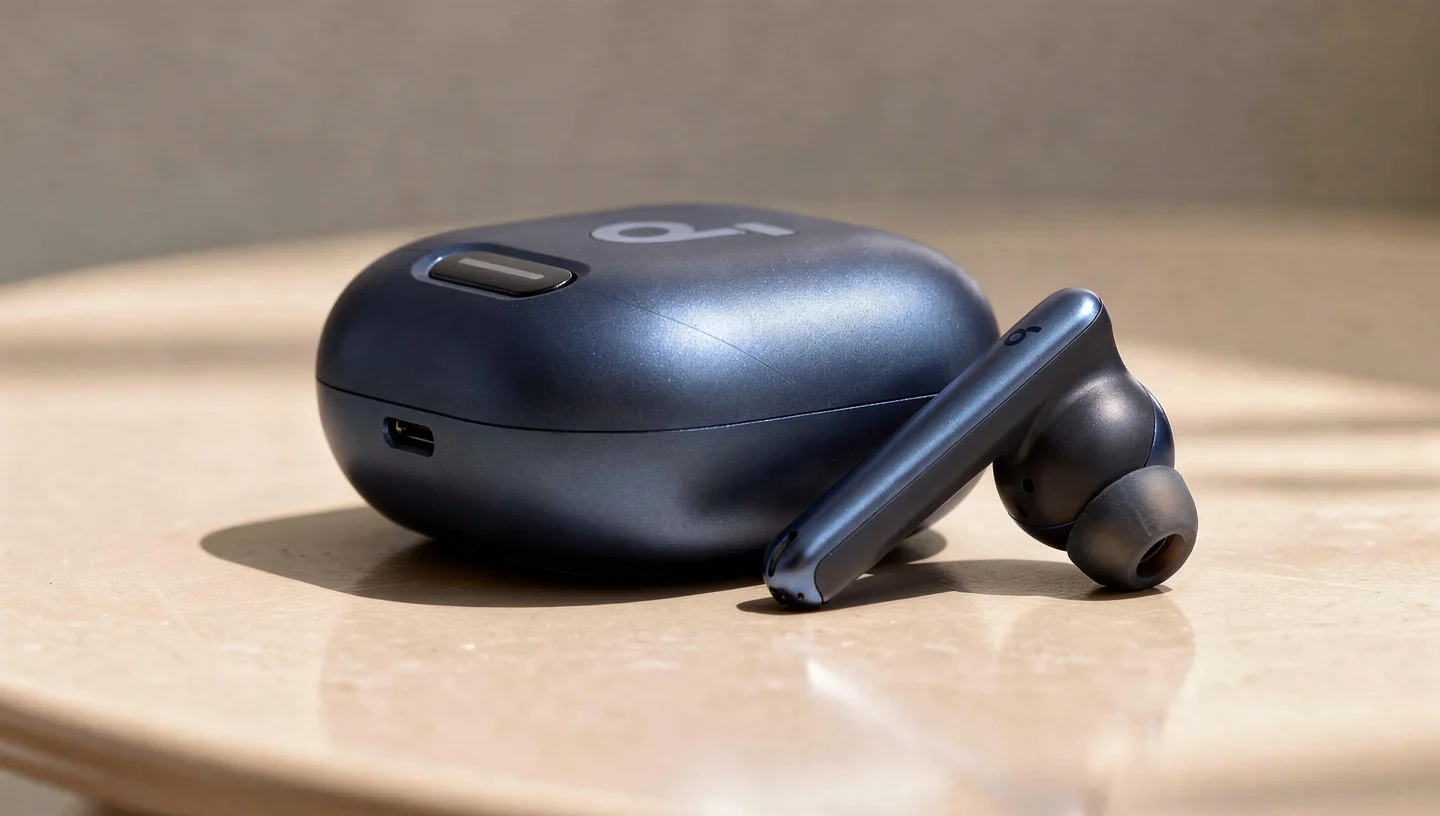
The Soundcore app offers an 8-band EQ and a HearID personalized sound profile. IPX4 covers sweat and light rain. For a direct comparison against a similarly priced LDAC alternative, see our full EarFun Air Pro 4 review. For Android users who want LDAC earbuds under $100, the Liberty 4 NC covers the essentials without compromise on the codec side.
| Spec | Anker Soundcore Liberty 4 NC |
|---|---|
| Price | $99.99 |
| Codecs | LDAC, AAC, SBC |
| ANC | Yes |
| Battery | 10h + 40h case (ANC on) |
| Bluetooth | 5.3 |
| IP Rating | IPX4 |
Check Soundcore Liberty 4 on Amazon
What to Look for in LDAC Headphones
LDAC support on the spec sheet is a starting point. How well a pair of headphones implements it, and what other features surround it, determines whether it is worth buying. Here are the things that actually affect the listening experience.
Sound Quality and Tuning
LDAC transmits more data than SBC or AAC, but the headphone’s driver and tuning determine what that data sounds like. A well-tuned 40mm driver will sound better at LDAC 660kbps than a poorly tuned driver at LDAC 990kbps. Look for confirmed MDAQS scores from SoundGuys, which measure how most listeners perceive the sound. Sony’s WF-1000XM5 scores 4.9, Nothing Ear (3) scores 4.7. For a side-by-side look at how SBC and AAC compare to LDAC at different bitrates, see our SBC vs AAC codec comparison.
ANC Performance
For LDAC ANC wireless headphones, the noise cancellation system matters as much as the codec. ANC quality varies significantly at the same price point. Sony’s adaptive systems on the WH-1000XM6 and WF-1000XM6 rank among the highest measured. The Nothing Headphone (a) and Edifier W830NB offer solid ANC for commuting but do not match Sony at their respective price points. For a full explanation of how active noise cancellation works, see our guide on what is NC in headphones.
Battery Life
LDAC consumes more power than AAC or SBC because it processes more data per second. The 135-hour battery claim on the Nothing Headphone (a) drops to 62 hours when LDAC is active. The Sony WH-1000XM6’s 30-hour ANC battery does not change significantly between AAC and LDAC because Sony optimizes its hardware for the codec. Always check whether the manufacturer’s battery claim is based on AAC or LDAC when comparing models.
Companion App and EQ
LDAC delivers more audio data to the headphone, but the final sound is shaped by the driver tuning and any EQ applied on top. A full parametric EQ, like those in the Nothing X app and Edifier ConneX app, lets you adjust frequency response precisely. Sony’s 10-band EQ and Anker’s 22-band EQ both offer enough range for most listeners to dial in their preferred sound.
Multipoint and Codec Limitations
Some LDAC headphones cannot use LDAC and multipoint simultaneously. The Anker Soundcore Space Q45 is one confirmed example. If you regularly switch between a laptop and a phone, check whether the model you are considering supports both features at the same time. Sony’s flagship models handle LDAC and multipoint without conflict. The Nothing Headphone (a) supports both simultaneously via Bluetooth 5.4.
LDAC vs AAC vs SBC: Quick Comparison
| Codec | Max Bitrate | Max Resolution | iPhone | Android |
|---|---|---|---|---|
| SBC | 328kbps | 16-bit/44.1kHz | Yes | Yes |
| AAC | 256kbps | 16-bit/44.1kHz | Yes | Yes (inconsistent) |
| LDAC | 990kbps | 24-bit/96kHz | No | Yes (Android 8.0+) |
| aptX Adaptive | 420kbps | 24-bit/96kHz | No | Yes (Qualcomm) |
| LC3 (LE Audio) | 345kbps | 48kHz | No | Yes (BT 5.2+) |
How to Enable LDAC on Android
On most Android phones, LDAC activates automatically when both the phone and the headphones support it and a stable connection is available. To manually set the bitrate preference, go to Settings, About Phone, Build Number and tap seven times to enable developer options. Then go to Settings, Developer Options, Bluetooth Audio Codec and select LDAC. Under Bluetooth Audio Quality, set it to “Optimize for audio quality” to push toward 990kbps when signal conditions allow. Some headphones, including the Anker Soundcore Space Q45, require you to enable LDAC through the companion app rather than through Android settings.
Does iPhone Support LDAC?
No. iPhones do not support LDAC. Apple uses AAC as its highest Bluetooth audio codec, hardware-optimized on Apple devices at around 256kbps. For iPhone users, LDAC support in headphones carries no benefit. If the connected headphones do not support AAC, the connection falls back to SBC. For more on how Bluetooth audio differs between iPhone and Android, see our guide on Bluetooth audio: iPhone vs Android.
FAQ: LDAC Headphones
What is LDAC in headphones?
LDAC is a Bluetooth audio codec developed by Sony. It transmits up to 990kbps, approximately three times more data than SBC, and supports 24-bit/96kHz audio. It requires an Android device running Android 8.0 or newer. iPhones do not support LDAC.
What is LDAC headphones meaning?
When a pair of headphones lists LDAC support, it means they can receive and decode audio transmitted at up to 990kbps from a compatible Android device. This delivers noticeably better audio quality than SBC or AAC, particularly on detailed tracks, when signal conditions are strong enough for the 990kbps mode.
What is LDAC ANC wireless headphones?
LDAC ANC wireless headphones combine the LDAC high-bitrate codec with active noise cancellation. The best examples include the Sony WH-1000XM6, Sony WH-1000XM5, Nothing Headphone (a), and Edifier W830NB. These headphones reduce external noise while streaming high-resolution audio over Bluetooth to Android devices.
Are the best LDAC headphones only from Sony?
Sony makes the best LDAC implementations, but other brands have adopted the codec. Edifier, Nothing, Anker Soundcore, and others all produce LDAC headphones. The Edifier W830NB and Nothing Headphone (a) are strong alternatives at lower prices.
Does LDAC actually sound better?
Under good signal conditions with high-quality source audio, yes. At 990kbps, LDAC preserves more high-frequency detail and dynamic range than SBC or AAC. The difference is most noticeable on acoustic recordings and tracks with fine detail in the upper frequency range. In noisy environments or at distance from the phone, the connection often drops to 660kbps or 330kbps, where the difference is smaller.
Can I use LDAC headphones with iPhone?
No. iPhones do not support LDAC. The headphones connect via Bluetooth and use AAC or SBC instead. LDAC only works on Android 8.0 and newer.
What LDAC bitrate should I use?
For most listening, 660kbps offers the best balance of audio quality and connection stability. Setting the phone to 990kbps is worthwhile when stationary and close to the phone. In crowded environments, the phone often drops to 330kbps automatically. You can override this in Android developer options if you prefer to stay at a higher bitrate.
What is the best budget LDAC headphone in 2026?
The Edifier W830NB at around $79 is the best budget LDAC ANC wireless headphone in 2026. It supports LDAC at 990kbps with Hi-Res Audio certification, -45dB ANC, 54 hours battery with ANC on, and a parametric EQ. For budget LDAC earbuds, the Anker Soundcore Liberty 4 NC at $99.99 covers LDAC, ANC, and IPX4 under $100.