Most headphone specs list driver size without explaining what it actually means for your listening. The 40mm driver is the most common size across wireless and wired over-ear headphones, and for good reason. It gives manufacturers enough space to tune bass, mids, and highs without pushing the earcup into oversized territory. Whether you want tight bass for music, clear dialogue for gaming, or controlled sound for long work sessions, headphones with 40mm drivers cover all of it.
We tested and researched models across every price range, from studio standards to budget wireless picks, to find the ones that actually hold up. These are the best headphones with 40mm drivers available right now.
Why 40mm Drivers Are Worth Your Attention
A 40mm driver sits in a sweet spot. Large enough to move enough air for decent bass, small enough to keep earcups comfortable and the overall build manageable. Most headphones in the $30 to $400 range use this size, which means the real differences come down to diaphragm material, tuning, and enclosure design rather than raw size alone.
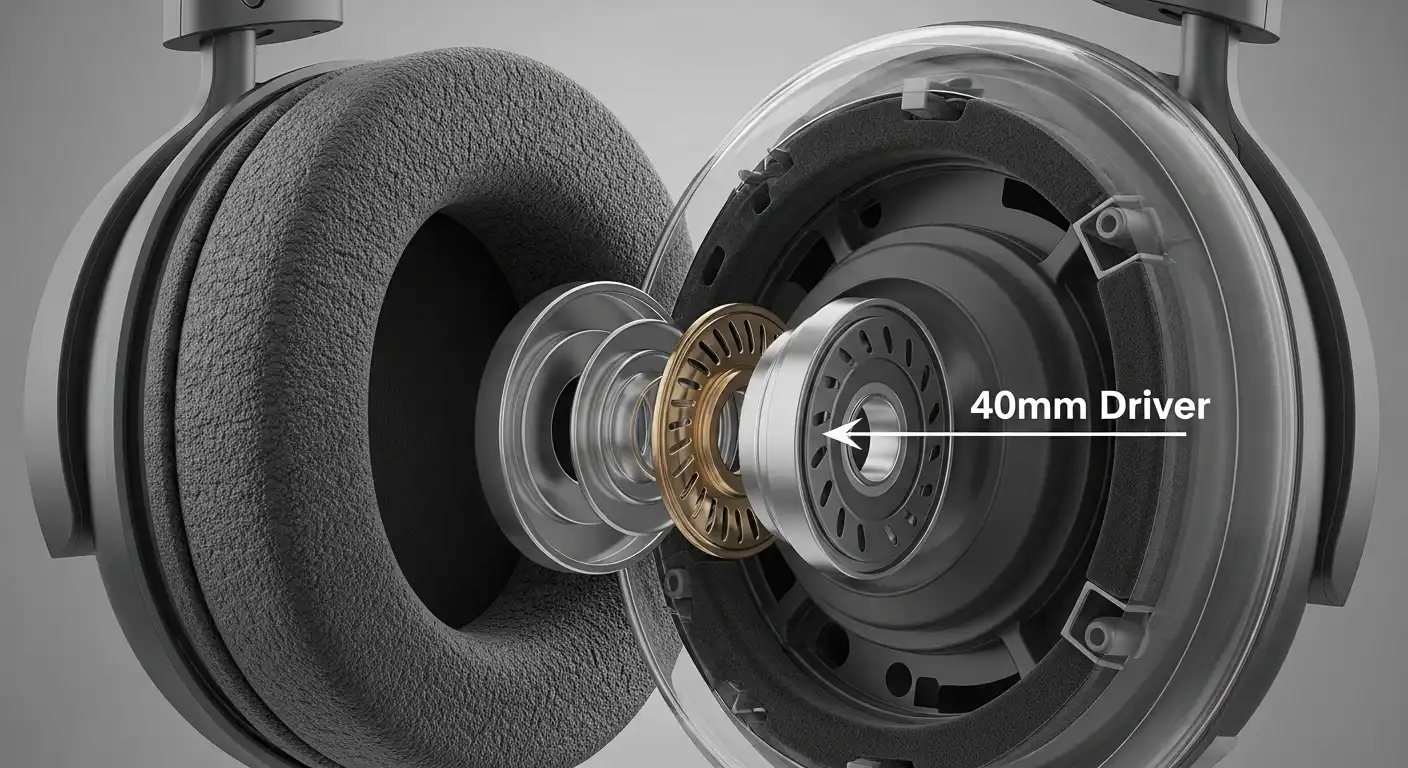
What you get with a well-tuned 40mm setup is sound that stays controlled across bass, mids, and treble. Not always the widest soundstage, not always the deepest sub-bass, but consistent and easy to listen to for hours without fatigue. That balance is why this driver size keeps showing up across gaming, studio, and everyday wireless headphones at every price point.
How We Chose These Headphones
Every model on this list was selected based on confirmed driver size, sound tuning, build quality, and how well it holds up over extended use. We also factored in:
- Driver material – carbon, PET, and neodymium-backed options all perform differently and affect what you hear at the frequency extremes
- ANC performance – for wireless models, how well noise canceling works in everyday settings like offices and commutes
- Battery life – anything under 30 hours with ANC on was harder to recommend for daily use
- Codec support – LDAC and aptX Adaptive matter if you are on Android and want the best wireless audio quality without a wired connection
- Price – we split the list into premium, mid-range, and budget to give you real options at every level
Best Overall – Bowers and Wilkins Px7 S2
The Bowers and Wilkins Px7 S2 sits at around $380 and uses a 40mm carbon cone driver, one of the better implementations of this driver size at any price. Carbon diaphragms are stiffer than standard PET, which means less distortion at higher volumes and better control in the upper frequencies. In testing, the Px7 S2 handled acoustic tracks with natural, well-separated detail. Bass is punchy without bleeding into the mids, and vocals stay clear regardless of genre.
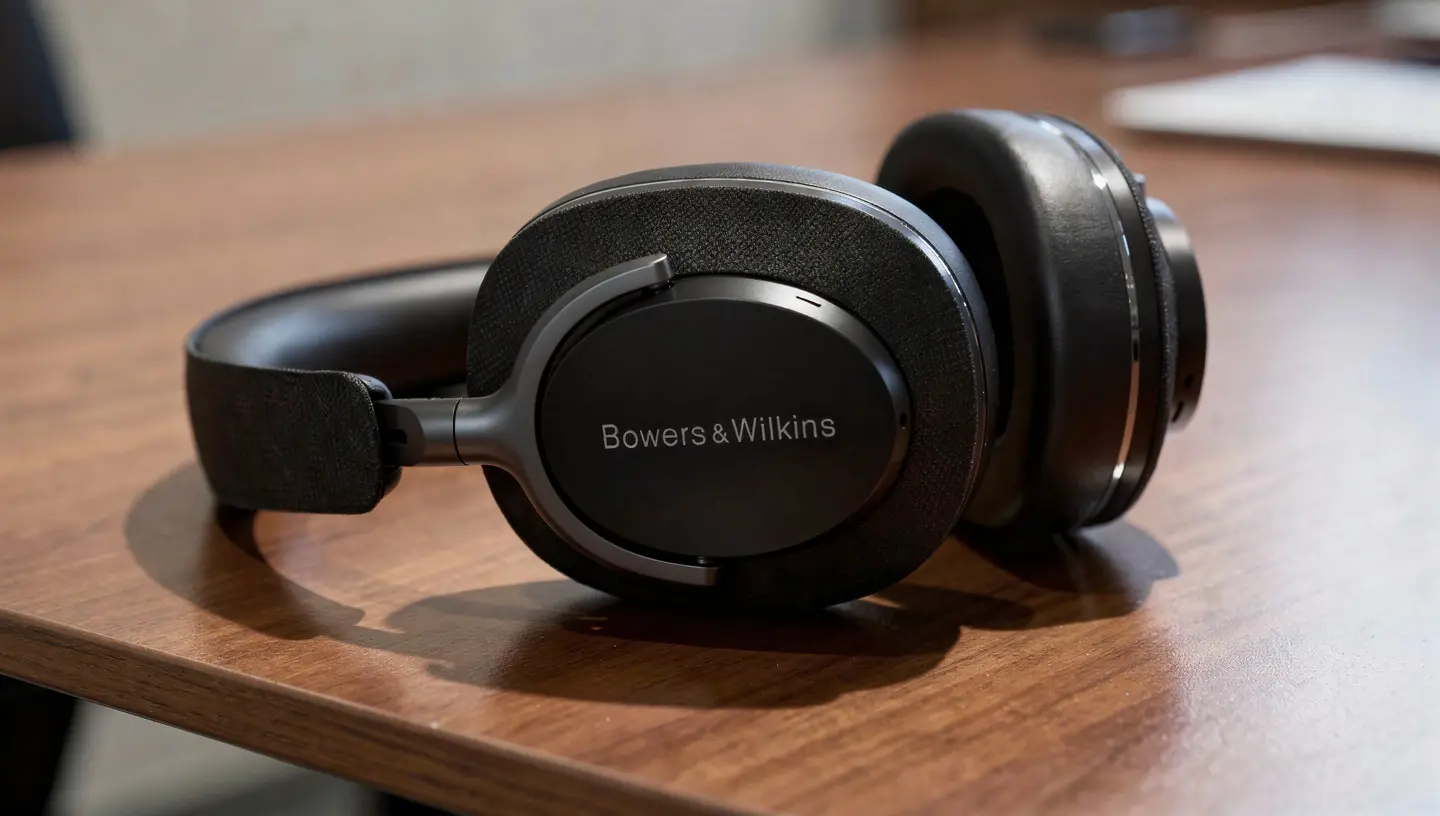
ANC is strong enough for commuting and office use, and the 30-hour battery life with noise canceling on makes it a practical daily option. It supports aptX Adaptive for Android users, which improves wireless audio quality noticeably over a standard SBC or AAC connection. One thing worth knowing: it does not fold flat, which makes it slightly bulky for travel compared to some other wireless options in this price range.
For most people looking for the best balance of sound quality, ANC, and build without going into flagship territory, the Px7 S2 is easy to recommend.
Check Bowers & Wilkins on Amazon
Best for Studio Use – Audio-Technica ATH-M40x
The Audio-Technica ATH-M40x is a wired closed-back headphone that uses 40mm drivers with rare-earth magnets and copper-clad aluminum wire voice coils. At around $99, it has been a studio reference for years. The tuning is flat enough for monitoring and mixing without heavy coloration in the bass or highs, which is exactly what you want when you need to hear a track accurately rather than pleasantly.
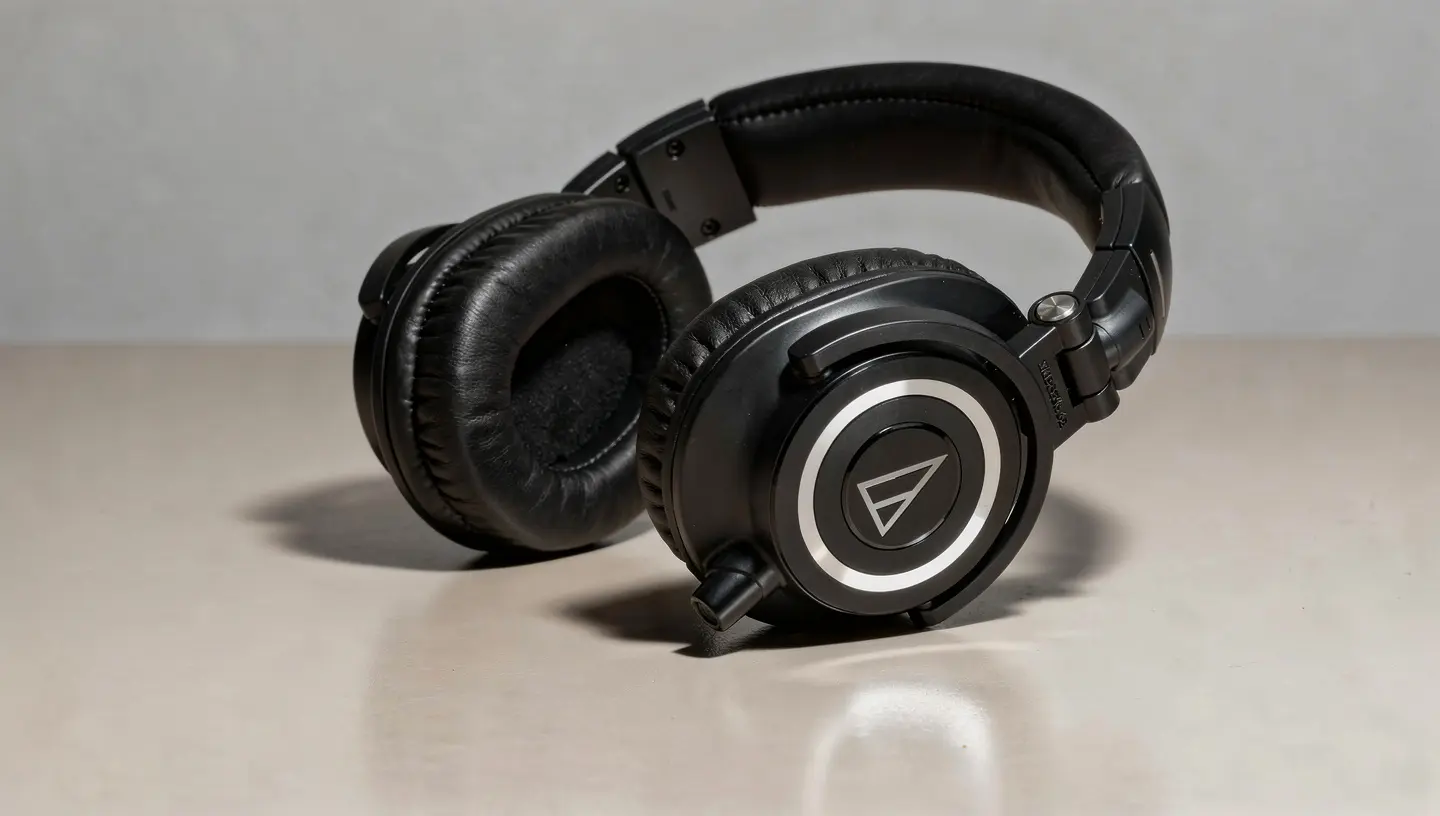
Compared to the M50x, which uses 45mm drivers and is the more well-known model, the M40x sounds tighter and more accurate on vocal-heavy content. The M50x adds a bit more low-end weight, but the M40x stays more controlled across the frequency range. For podcast editing, music production, or any work where accurate playback matters more than a consumer-friendly bass boost, the M40x is the more useful tool of the two.
It folds flat, the earcups swivel 90 degrees, and it comes with two detachable cables. Build quality is solid for the price. The one thing it does not have is wireless, which matters depending on your setup. If you work at a desk and want reliable, honest sound without spending more than $100, this is a strong pick.
Best Wireless With LDAC – Soundcore Space Q45
The Soundcore Space Q45 lands at around $80 and uses 40mm dual-layer drivers, which combine two diaphragm materials to handle low and high frequencies separately. The result is cleaner separation between bass and mids than you typically get at this price. Bass is controlled, not overdone, and the mids are clear enough for calls and podcasts without sounding thin.
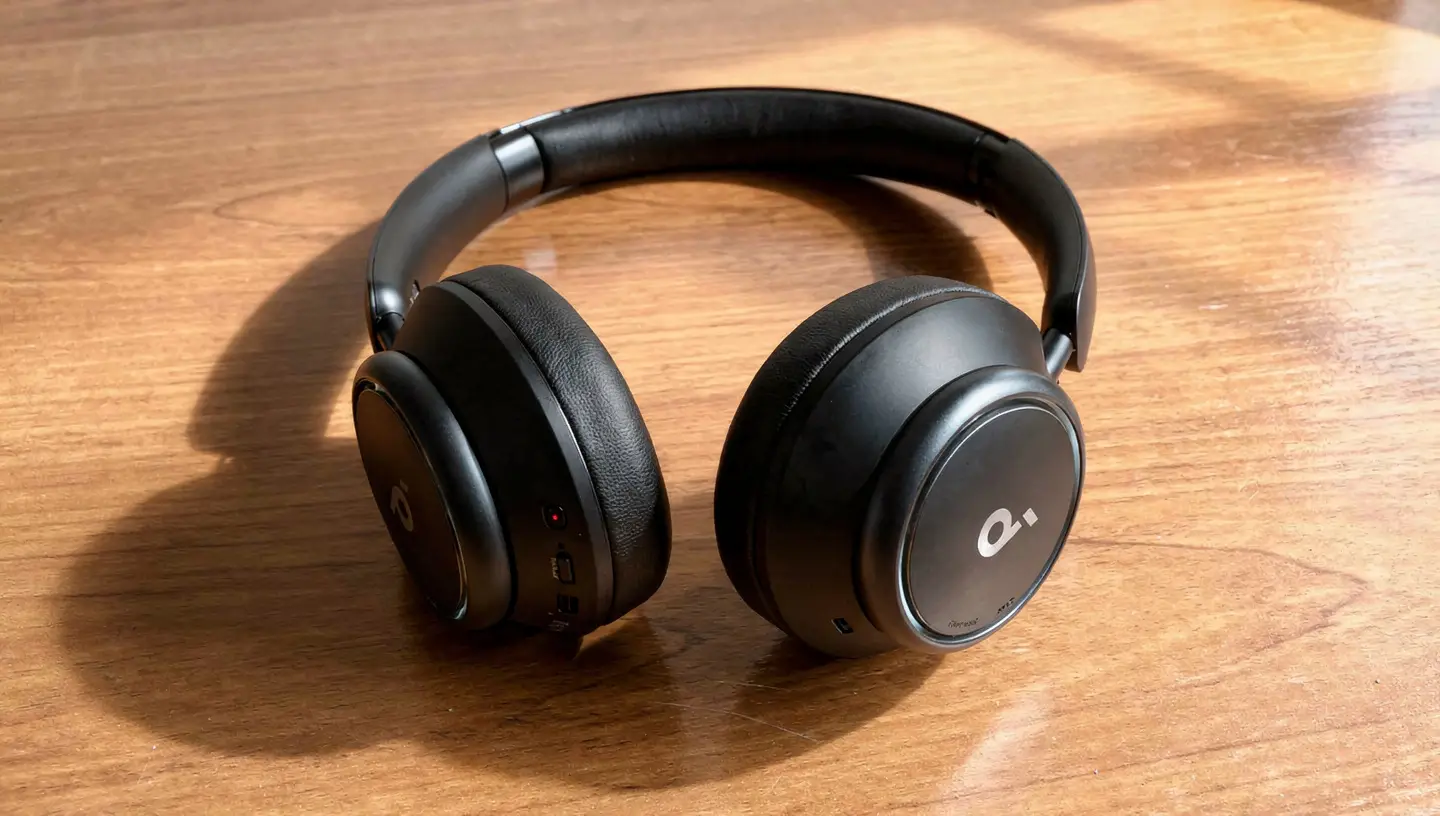
What sets the Space Q45 apart in this price range is LDAC support, which lets Android users stream at up to 990kbps over Bluetooth. At standard LDAC quality settings, the difference compared to AAC is noticeable on detailed tracks, particularly in the upper midrange and treble. Adaptive ANC adjusts based on ambient noise levels automatically, and the battery runs for 50 hours with ANC on, well above average for this price.
A few things to keep in mind: microphone quality is average at best, and the ANC does not isolate as well as premium options from Bowers and Wilkins or Sony. But at $80 with LDAC, a 50-hour battery, and a dual-layer 40mm driver, there is not a better-value wireless option at this price point for Android users who care about audio quality.
Best for Gaming – Razer BlackShark V2 X
The Razer BlackShark V2 X uses 40mm TriForce Titanium drivers, which Razer splits into three frequency zones to handle bass, mids, and highs independently. The result in practice is a headset with good directional clarity, which matters more in gaming than in casual music listening. Footsteps, distant shots, and ambient cues come through without any blurring between frequency ranges.
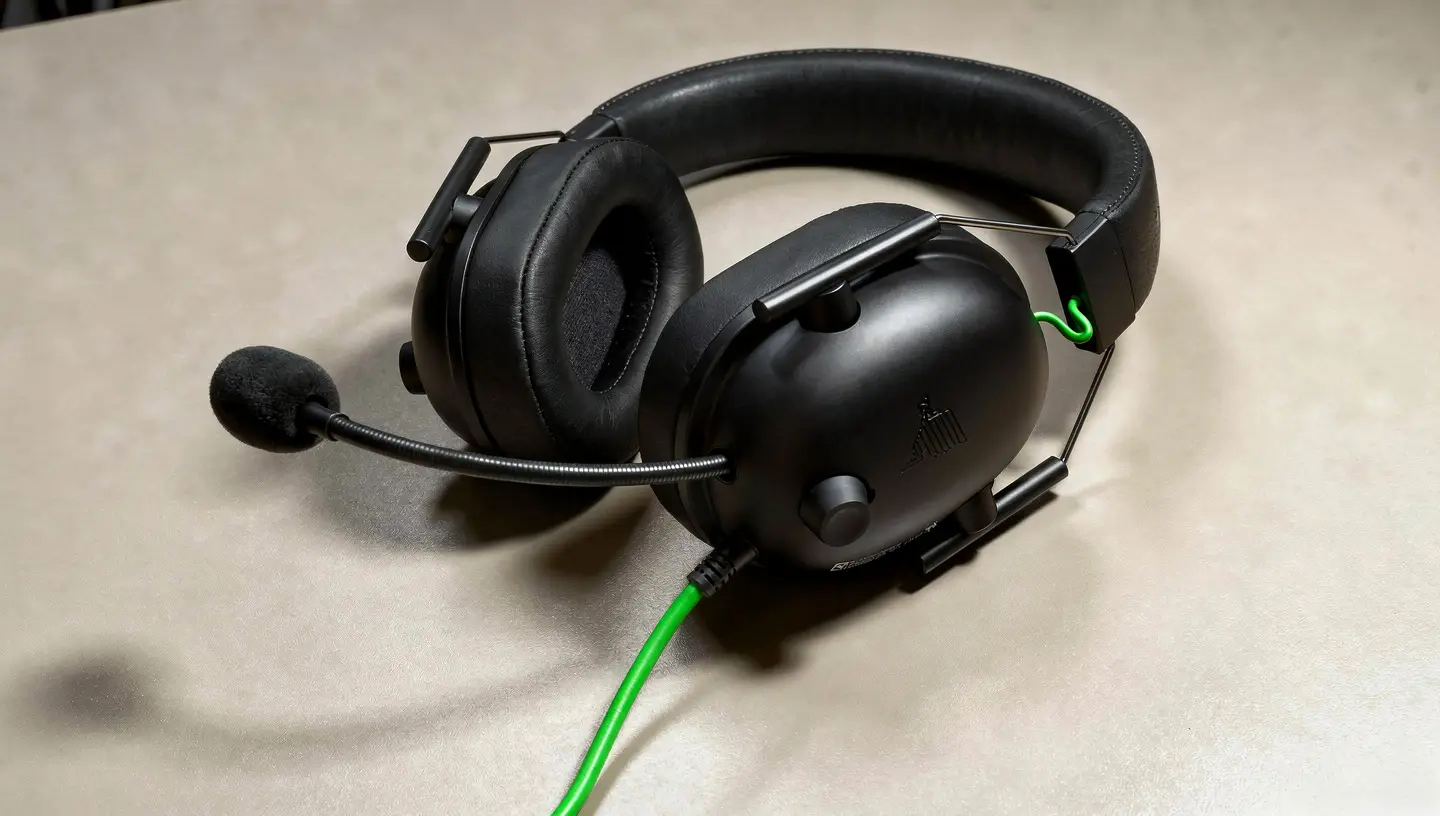
It is a wired headset that works across PC, PlayStation, Xbox, and Nintendo Switch with the right adapter. The passive isolation from the closed-back earcups blocks out most room noise without needing active cancellation, which keeps the design simpler and the price lower. The cardioid microphone is one of the better built-in mics at this price, with decent background noise rejection during voice chat.
At around $60, the BlackShark V2 X is a practical entry point for gaming with 40mm drivers. It does not have wireless or LDAC, but for competitive gaming where latency and mic quality matter more than codec support, it covers the basics well without adding unnecessary features.
Best Budget Overall – Monster Persona 4th ANC
The Monster Persona 4th ANC is the strongest budget pick on this list. It runs 40mm dynamic drivers with Bluetooth 6.0, which is uncommon at this price range. Bass is punchy with decent weight without going muddy, mids are clear, and the overall tuning is comfortable for long sessions without any harsh spikes in the highs. Build quality is better than most headphones at this price, with an adjustable metal headband and memory foam ear cups that hold up over time.
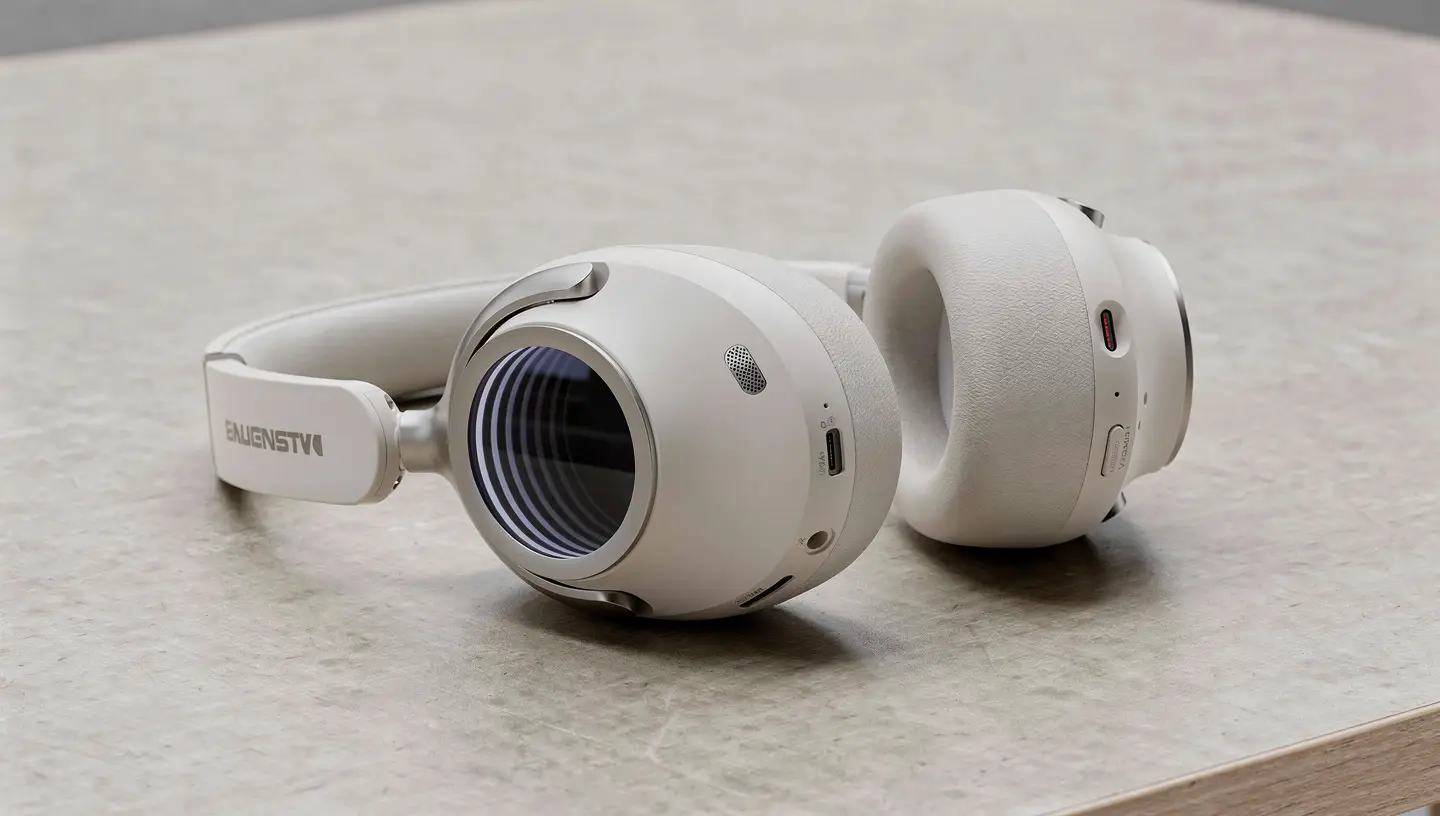
Battery life is rated at 70 hours without ANC and 50 hours with it on, longer than most headphones at three times the price. ANC handles everyday noise well, including office hum and commuting, and the three listening modes are controlled directly on the headphones without needing an app. For the money, it is hard to find a more complete 40mm driver headphone at a budget price. Our full Monster Persona 4th ANC review has more detail on how it performs against other models in the same range.
Best Budget for Daily Use – Monster Persona 6th ANC
The Monster Persona 6th ANC is the newer model in the Persona line and keeps the same 40mm driver setup as the 4th. The tuning is slightly adjusted, with a wider soundstage and a more balanced midrange. Battery drops to 40 hours with ANC on compared to the 4th, but that is still strong for daily use and the design is more refined overall. Both the 4th and 6th run Bluetooth 6.0, which keeps the connection stable whether you are switching between your phone and laptop or moving around the house.
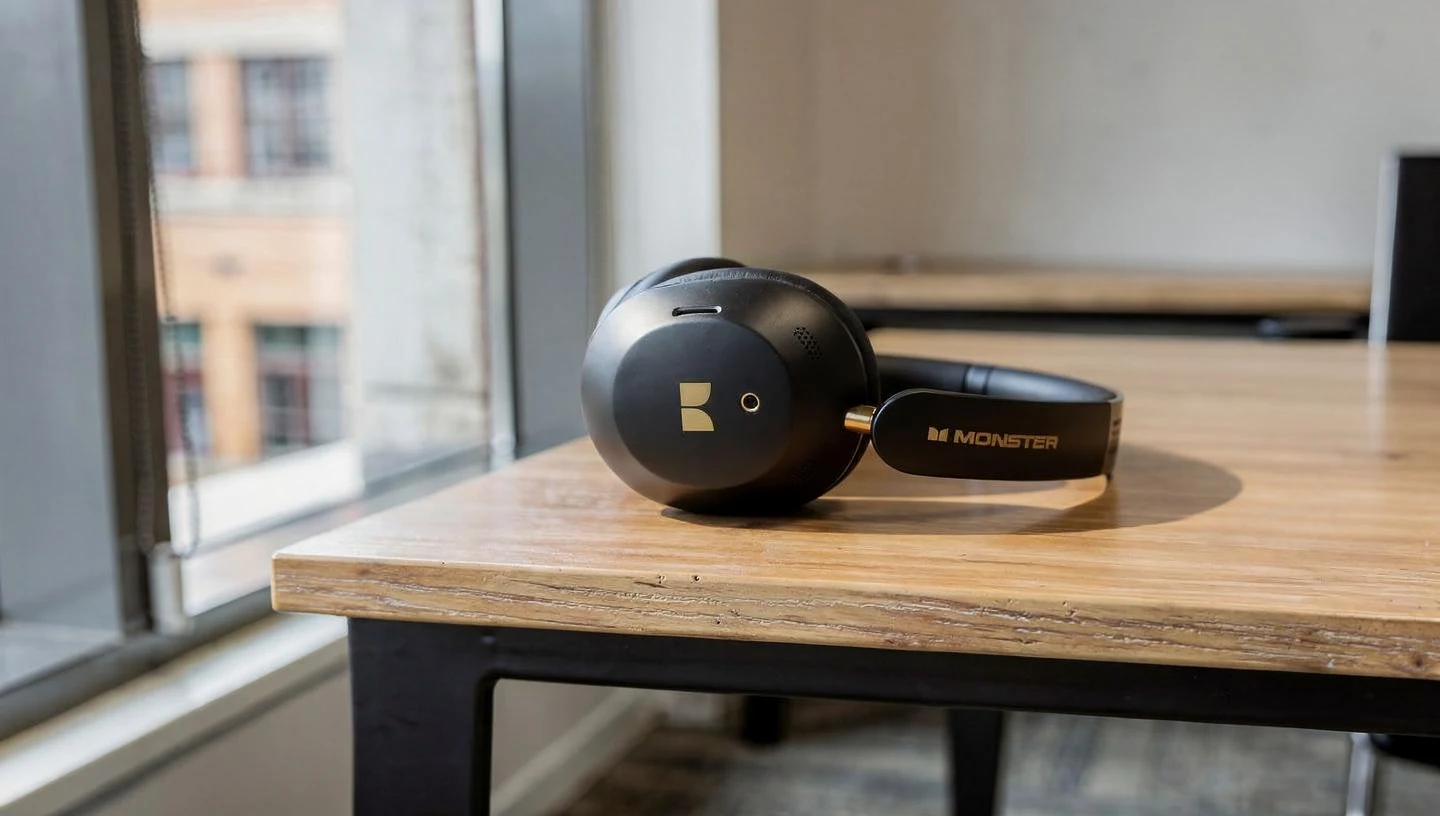
It supports dual-device pairing, includes a 3.5mm wired option for when the battery runs out, and folds flat for easy carry. For a day-to-day wireless headphone at a budget price, the 6th is the more polished option between the two Persona models if you use headphones primarily for music and calls rather than long outdoor sessions where extra battery hours matter. See our full Monster Persona 6th ANC review for the full breakdown on sound, battery, and build.
Best Budget for Relaxed Listening – Monster Persona SE ANC
The Monster Persona SE ANC uses the same 40mm dynamic driver size as the rest of the Persona lineup but is tuned with a smoother, more laid-back character. There is more emphasis on the midrange and less aggression in the bass compared to the 4th and 6th. Vocals sit forward in the mix and instruments sound natural rather than boosted, making it a better fit for long listening sessions with acoustic music, podcasts, or anything where you want the sound to stay out of your way.
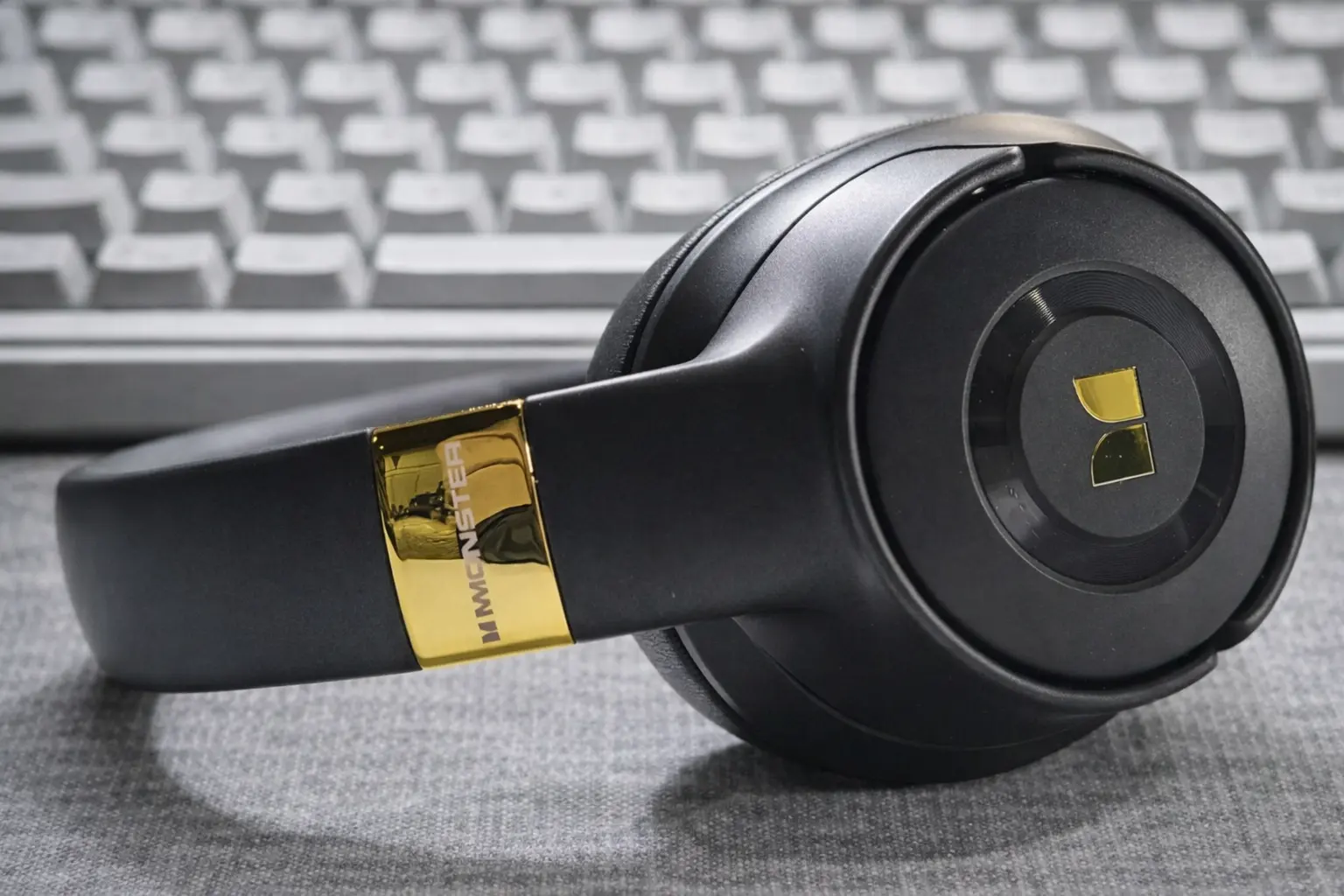
It runs on Bluetooth 5.4 rather than 6.0, which is the main spec difference from the newer Persona models. ANC handles everyday noise well, and the physical controls on the headphones make switching between ANC, transparency, and standard mode straightforward without needing your phone. For anyone who finds the bass-forward tuning of most budget headphones tiring over time, the SE is worth considering. Full performance details are in our Monster Persona SE ANC review.
Check Persona SE ANC on Amazon
Also Worth Considering
The Monster Mission 200 is a budget wireless headphone with 40mm dynamic drivers, three EQ modes built into the headphones, and a 70-hour battery. It does not have dedicated ANC but handles everyday background noise through passive isolation, which works well enough in most home and office settings. The three EQ modes, bass boost, balanced, and podcast, are controlled without an app, which keeps daily use simple. For anyone who wants the longest battery on this list and does not need strong noise canceling, the Mission 200 is worth a look. We covered the sound and battery in detail in our Monster Mission 200 review.
The TOZO HT3 is another budget closed-back wireless headphone built around a 40mm driver. It covers the basics well, ANC, Bluetooth, USB-C charging, and a foldable design, at a price that undercuts most of the options on this list. Sound is clean for the money, with a slightly warmer tuning that works well for casual music and video watching. Worth considering if you want a different design from the Monster lineup or want to spend as little as possible without giving up ANC entirely. Our TOZO HT3 review has a full comparison of what it does well and where it falls short against other options at this price.
What to Look for When Buying 40mm Driver Headphones
Driver size is a starting point, not a guarantee. Two headphones with the same 40mm driver can sound very different depending on how they are built and tuned. Here are the things that actually affect what you hear.
Driver Material Matters More Than Size
The diaphragm material inside a 40mm driver shapes how sound behaves across the frequency range. Carbon and beryllium diaphragms are stiffer, which typically means less distortion at higher volumes and better control in the high frequencies. PET is softer and more common in budget headphones, where it handles mid-bass well but can lose control at the extremes. If a brand does not specify the diaphragm material, it is likely standard PET. That is not a dealbreaker at a budget price, but it sets realistic expectations. For a comparison of how driver size scales with sound at a larger format, the 50mm driver guide covers where the trade-offs land between the two sizes.
Closed-Back vs Open-Back
Almost every headphone on this list uses a closed-back design, which provides passive noise isolation and prevents sound from leaking out. This is the right choice for commuting, office use, gaming, and anywhere you share space with others. Open-back headphones tend to produce a wider, more natural soundstage but let sound in and out freely, making them better suited for quiet home listening. For hi-fi listening at home, there are open-back 40mm options worth looking into separately, but for most everyday situations, closed-back is the practical choice.
Wireless or Wired
For wireless headphones, the Bluetooth codec your headphones support affects audio quality. SBC and AAC are the baseline and work across both Android and iPhone. If you are on Android and want noticeably better audio quality, LDAC or aptX Adaptive support is worth looking for. The Soundcore Space Q45 covers LDAC at a budget price, while the Bowers and Wilkins Px7 S2 handles aptX Adaptive at a higher tier. For wired headphones like the ATH-M40x, you skip the codec question entirely and get consistent audio quality regardless of your source. A full comparison of Bluetooth codecs is worth reading if you are deciding between wireless options before buying.
Frequently Asked Questions
Are 40mm drivers good for headphones?
Yes. The 40mm driver is the standard size across most over-ear headphones in the gaming, studio, and daily-use categories. It gives manufacturers enough space to tune bass, mids, and treble without making the design too large or heavy. Most of the best headphones under $400 use 40mm drivers.
Do 40mm drivers have good bass?
They can, depending on how they are tuned. A well-designed 40mm dynamic driver produces punchy, controlled bass that holds up for both music and gaming. Some 50mm setups go deeper in the sub-bass range, but a poorly tuned 50mm will sound worse than a well-tuned 40mm at the same price.
What is the difference between 40mm and 50mm drivers?
50mm drivers move more air, which can mean deeper bass and a slightly wider soundstage in some designs. They also tend to add weight and require larger earcups. The 40mm size keeps things more compact and is generally easier to tune for balanced sound. For most everyday listeners, the real difference comes down to tuning rather than raw size.
Are 40mm drivers good for gaming?
Yes, particularly for directional audio. Most dedicated gaming headsets use 40mm drivers because they handle mids and highs well, which is where footsteps, voice chat, and ambient cues sit. For competitive gaming, a well-tuned 40mm closed-back headset outperforms many 50mm options with bass-heavy tuning.
What headphones have 40mm drivers?
Many popular models confirm 40mm driver size, including the Bowers and Wilkins Px7 S2, Audio-Technica ATH-M40x, Soundcore Space Q45, Razer BlackShark V2 X, and the full Monster Persona lineup. It is the most common driver size across wireless and wired over-ear headphones at every price point.