Last summer I grabbed a pair of TOZO T6 earbuds from Amazon for $27. They were sitting in the bestseller list with thousands of reviews, and I figured for that price, even if they sucked, I wouldn’t lose much sleep over it.
Three months later, those same earbuds survived a full wash cycle in my jeans pocket. They came out wet, I let them dry for two days, and they still worked perfectly. That moment made me curious about what else TOZO had figured out at these ridiculous prices.
Since then, I’ve used six different TOZO models. Some I bought myself. A couple came as review samples. One pair I gave to my cousin after he kept borrowing mine. Most lasted longer than I expected. A few had problems that drove me nuts. Here’s what I learned.
What TOZO Actually Is
TOZO showed up around 2015 as another Chinese electronics brand selling on Amazon. They started with charging cables and power banks, then moved into wireless earbuds once that market exploded. The company doesn’t have flashy marketing or celebrity endorsements. They just flood Amazon with products at prices that make you wonder how they turn a profit.
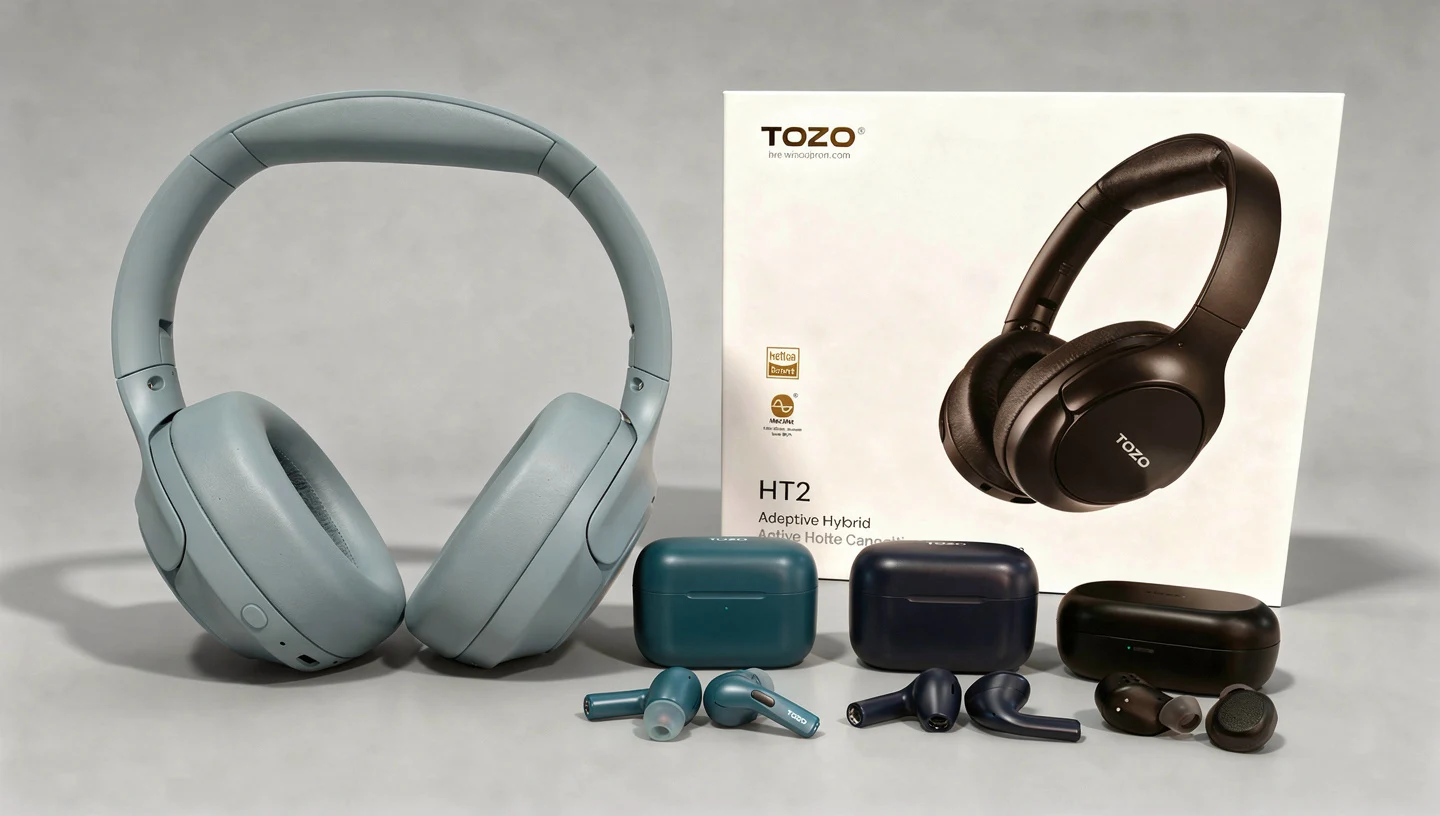
Their headquarters is supposedly in Seattle, but everything gets manufactured in China. That’s not unusual anymore. Most budget audio gear comes from the same factories whether it says TOZO, Anker, JBL, or a brand you’ve never heard of.
What set TOZO apart early on was their willingness to undercut everyone. When decent wireless earbuds cost $80-100, TOZO dropped models at $25-30 that actually worked. The sound wasn’t amazing. Build quality felt cheap. But they functioned well enough that people kept buying them.
Now they have everything from $20 basic earbuds to $150 premium models with balanced armature drivers. The core lineup still focuses on that $25-60 sweet spot where most people shop.
T6: The One Everyone Buys
If you’ve heard of TOZO at all, you’ve heard of the T6. These earbuds have been Amazon bestsellers for years. Multiple generations exist now, each with slight tweaks. I tested the 2023 updated version that came with app support.
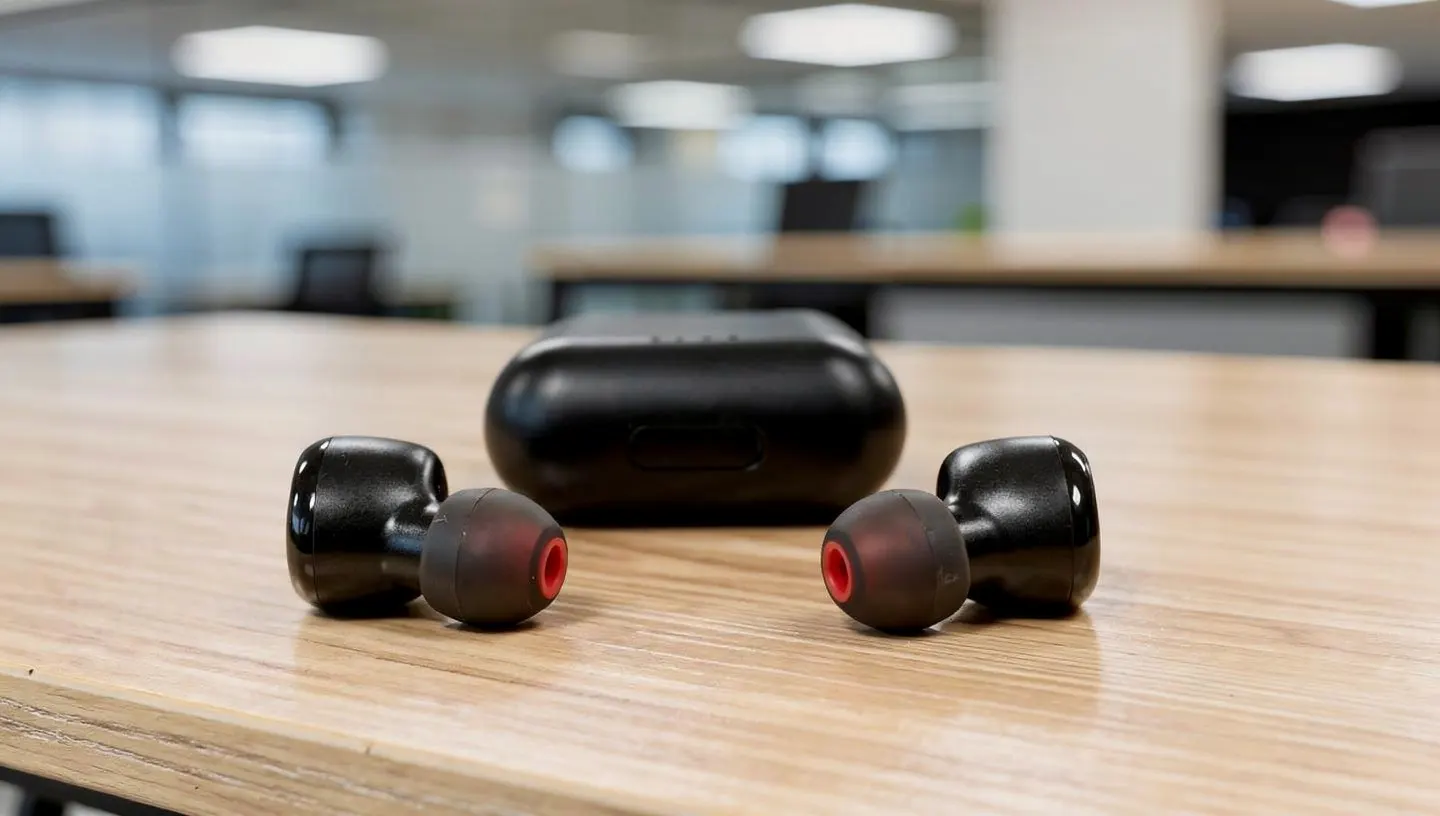
The first thing you notice is how small they are. Compact case, tiny earbuds, minimal weight. They disappear in your pocket. The glossy plastic finish looks cheap up close, but from a distance they could pass for something pricier.
Pairing took five seconds. Pop the case open, they connect automatically. Touch controls worked without the usual misfires I get on budget earbuds. Single tap for pause, double tap to skip, hold for volume. Standard stuff that actually functioned.
Sound quality surprised me. Right out of the box, the bass hit way too hard. Everything sounded muddy and boomy. Vocals got buried under thumping low-end. I almost returned them until I found the TOZO app and dialed back the bass EQ. After that adjustment, they sounded decent for the price. Clear enough for podcasts and gym music. Not refined, but functional.
Battery life lived up to claims. TOZO says six hours per charge. I got somewhere between five and seven depending on volume. The case holds another 30 hours or so. I could go most of a week between charges with daily use.
The IPX8 waterproof rating is legit. These survived my washing machine accident. Other people on Reddit report using them in the shower, getting caught in rainstorms, sweating through workouts. The waterproofing actually works.
Here’s where things got annoying. Every single time the T6 reconnects to my phone, the volume maxes out. Full blast. It’s dangerous if you’re not paying attention. I’ve blasted my eardrums more than once forgetting to check volume before hitting play. SoundGuys mentioned this same issue in their review from 2023. TOZO never fixed it.
The app also bugs out sometimes. I use both Android and iPad. On iPad, the app often fails to detect the earbuds even when they’re connected and playing music. On Android it works fine. Random quirk that makes no sense.
After nine months of daily use, the battery started degrading. What used to last six hours now lasted maybe four. The left earbud also developed a slight rattle when bass hit hard. Nothing deal-breaking, but noticeable wear.
For $27, I can’t complain too much. They served me well as backup earbuds and gym companions. Just don’t expect them to last years without issues.
NC20 Pro: The Step Up
I picked up the NC20 Pro last spring for $60 on sale. These added active noise cancellation and better build materials. Still budget-tier, but a clear upgrade from the T6.
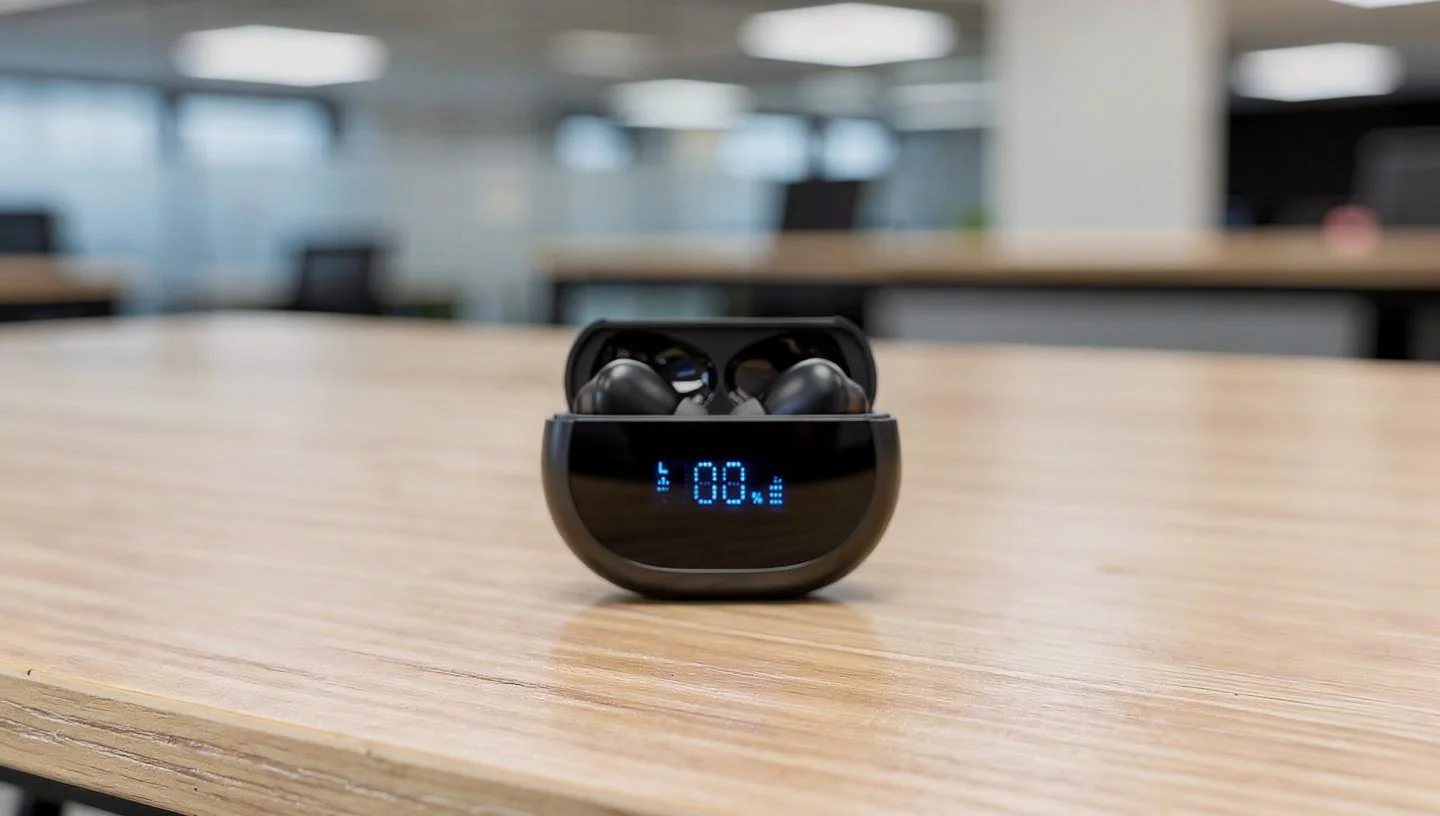
The NC20 Pro replaced the original NC20 with noticeable improvements. ANC got stronger, battery life jumped from eight hours to ten, and wireless charging finally appeared. The price difference runs about $10-15 depending on sales. For that small premium, the Pro version makes more sense unless you find the standard NC20 heavily discounted.
The design looks more polished. Matte finish instead of glossy plastic. Slightly larger earbuds with a stem design similar to AirPods. The case feels sturdier, though still plastic throughout.
ANC performance genuinely impressed me. Not Sony WH-1000XM5 level, obviously. But for $60, it blocked enough office chatter and airplane noise to make flights tolerable. Better than I expected from a budget brand.
Sound tuning improved over the T6. Less aggressive bass out of the box. Mids came through clearer. Vocals didn’t get buried as much. I still tweaked the EQ in the app, but it needed less correction to sound balanced.
Transparency mode exists but sounds artificial. Voices come through tinny and processed. Fine for quick conversations at checkout counters. Not great for extended use. I just took one earbud out when I needed to hear my surroundings.
Call quality disappointed me. The microphones picked up too much background noise. People complained they could hear traffic, wind, and office sounds during calls. For podcast listening and music, the NC20 Pro worked great. For Zoom meetings, I switched to a different headset.
Battery life matched TOZO’s claims. Ten hours with ANC on, maybe eleven with it off. The case held another 30-40 hours. Wireless charging worked, which was nice for convenience.
After six months, I haven’t noticed battery degradation yet. Build quality seems better than the T6. No rattles, no loose hinges. The case still closes firmly. We’ll see if they last as long as people on Reddit claim their older NC9 models did.
One Reddit user mentioned their NC9 lasted four years of daily use before the battery finally died. If the NC20 Pro holds up similarly, $60 seems reasonable.
HT3: Trying Over-Ear
The HT3 headphones cost me $70 on Prime Day. I needed something for gaming and home use where earbuds felt uncomfortable after a few hours.
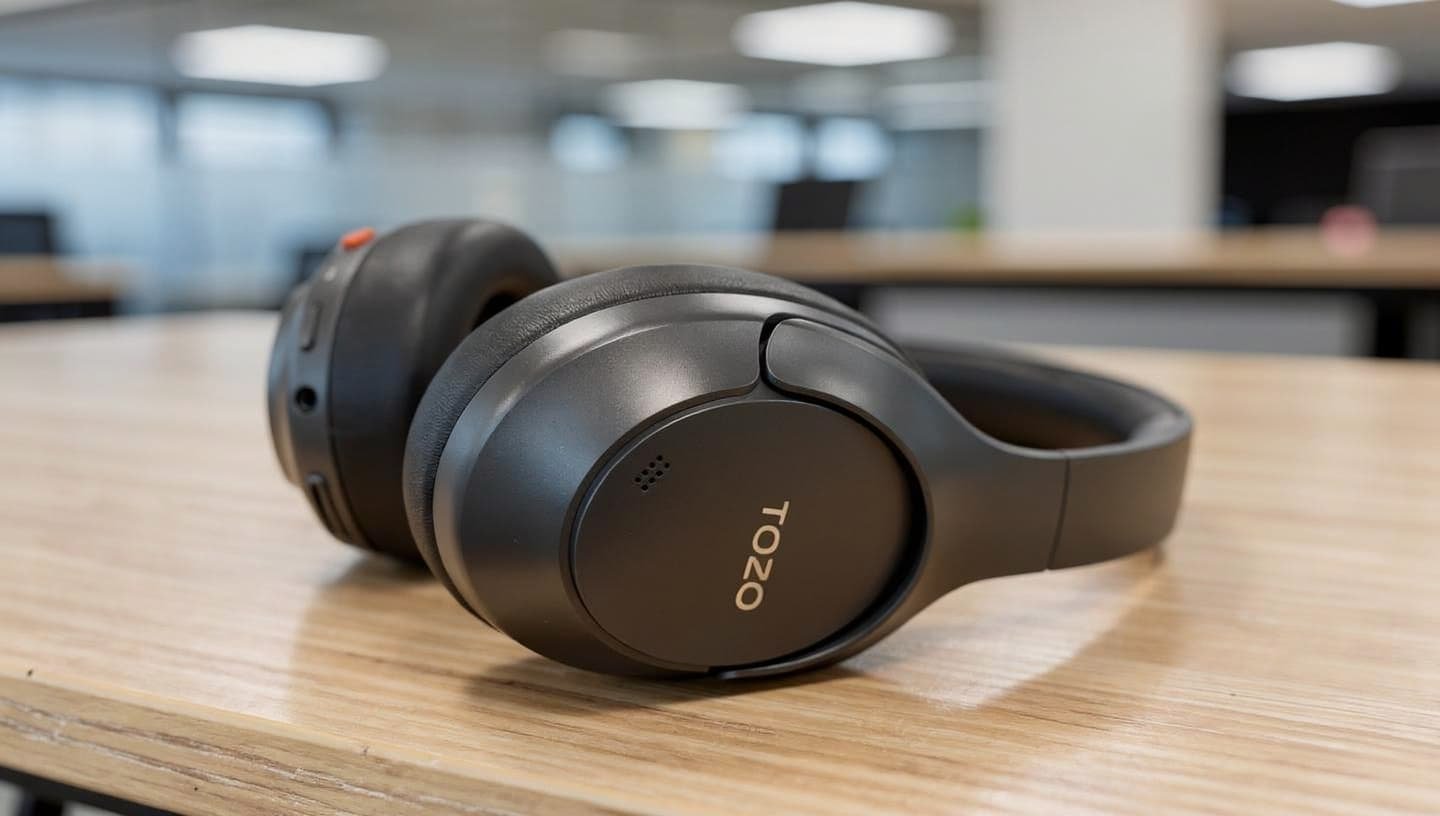
Build quality immediately felt cheaper than competitors. Lots of plastic, minimal metal reinforcement. The headband adjustment mechanism creaked from day one. Ear cups use thin padding that compresses quickly.
Comfort was fine for the first hour or two. After that, the clamp pressure started bothering me. The cups don’t fully encompass my ears, so the edges pressed against my cartilage. People with smaller heads might not have this issue.
ANC on the HT3 works but doesn’t compare to dedicated ANC headphones. It knocked out some background hum and low-frequency noise. Didn’t touch mid-range sounds like voices or keyboard typing. Useful in quieter environments, not great in noisy cafes.
Sound quality fell into the same bass-heavy territory as other TOZO products. The app EQ helped, but I could never get them to sound as balanced as I wanted. Fine for casual gaming and movies. Not great for critical music listening.
Battery life impressed me here too. TOZO claims 60 hours with ANC off. I got somewhere around 50-55 hours in real use. With ANC on, it dropped to maybe 35-40 hours. Still plenty for weeks between charges.
For gaming, they worked better than I expected over Bluetooth. The low-latency mode reduced delay enough that single-player games felt natural. Competitive multiplayer still showed noticeable lag. The microphone quality was terrible. Friends said I sounded muffled and distant. I stuck to Discord on my PC mic instead.
After three months, the ear cup padding started flaking. Little bits of fake leather came off and stuck to my ears and hair. Classic cheap headphone problem. The headband foam also compressed to almost nothing. They still worked, but comfort tanked.
Comparing the HT3 directly to Soundcore’s Q30 makes the choice obvious. The Q30 costs $10-20 more but beats the HT3 in build quality, comfort, and sound tuning. Better padding that doesn’t flake, less aggressive bass, and sturdier hinges. I’d save a bit longer and buy the Q30 instead of settling for the HT3.
The older HT2 model still shows up on Amazon at lower prices. I haven’t tested it, but based on specs and Reddit feedback, it delivers similar sound to the HT3 without ANC. If you don’t need noise cancellation, the HT2 saves $20-30. Battery life is slightly shorter, but otherwise they’re nearly identical.
At $70, the HT3 delivered on battery life and basic ANC. Everything else felt like compromises. I’d spend a bit more on Soundcore Q30 headphones if I had to buy again.
T10: The Bass Monster
My cousin wanted cheap earbuds for the gym. I grabbed him a pair of T10s for $23. He loved them so much he bought a second pair as backup. These things absolutely pound bass.
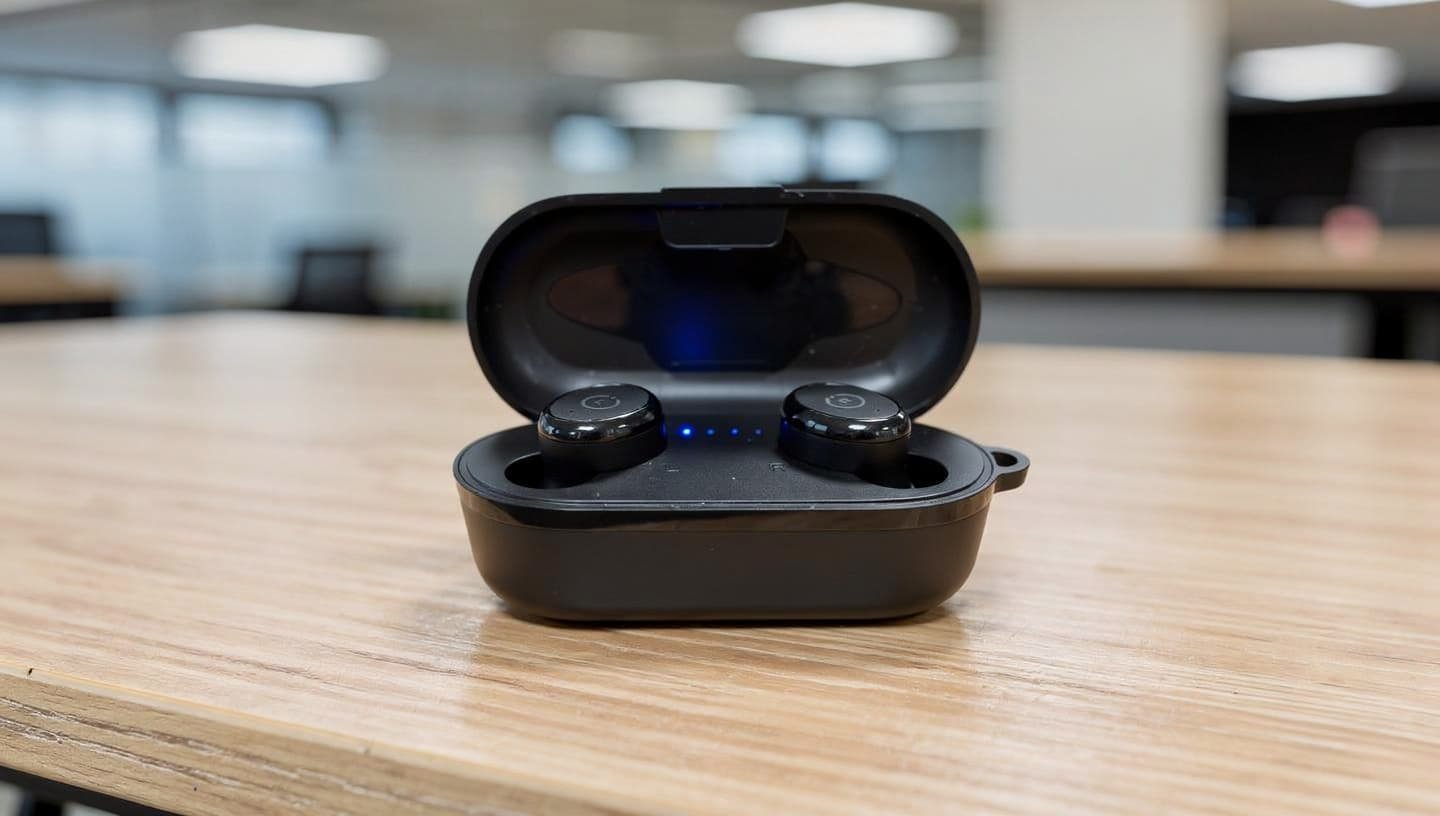
The T10 looks almost identical to the T6. Same compact case, same small form factor. Slightly different touch panel design. You’d struggle to tell them apart in photos.
Sound signature is where they differ. The T10 pushes bass way harder than the T6. Reddit users call it “rumble bass” and they’re not wrong. Sub-bass hits like a subwoofer. Mid-bass slams aggressively. If you like EDM, hip-hop, or anything with heavy low-end, the T10 delivers.
The downside is everything else suffers. Vocals sound recessed and distant. Highs get overshadowed completely. Instruments blend together into muddy mush. The TOZO app EQ can’t fix it entirely. Even with bass reduced to minimum, these still sound bass-heavy.
For gym use though, they’re perfect. My cousin doesn’t care about audio accuracy. He wants music loud and energetic while lifting. The T10 nails that use case.
Battery claims are exaggerated. TOZO says 15 hours per charge. Headphones Addict tested them and got 10.5 hours. My cousin reports about nine hours at his usual volume. Still solid for the price.
Durability seems hit or miss based on Reddit comments. Some people report their T10s lasting two years with zero issues. Others had them die within six months. Quality control lottery. At $23, you can afford to roll the dice.
The IPX8 rating holds up. My cousin dunked his in a water bottle by accident. They survived. Multiple Reddit users report washing them with soap and water. The waterproofing is one thing TOZO consistently gets right.
Open Ear Models: AeroFit Experiment
I tested the AeroFit open-ear clip buds for running. These cost $50 and sit outside your ear canal instead of going in.
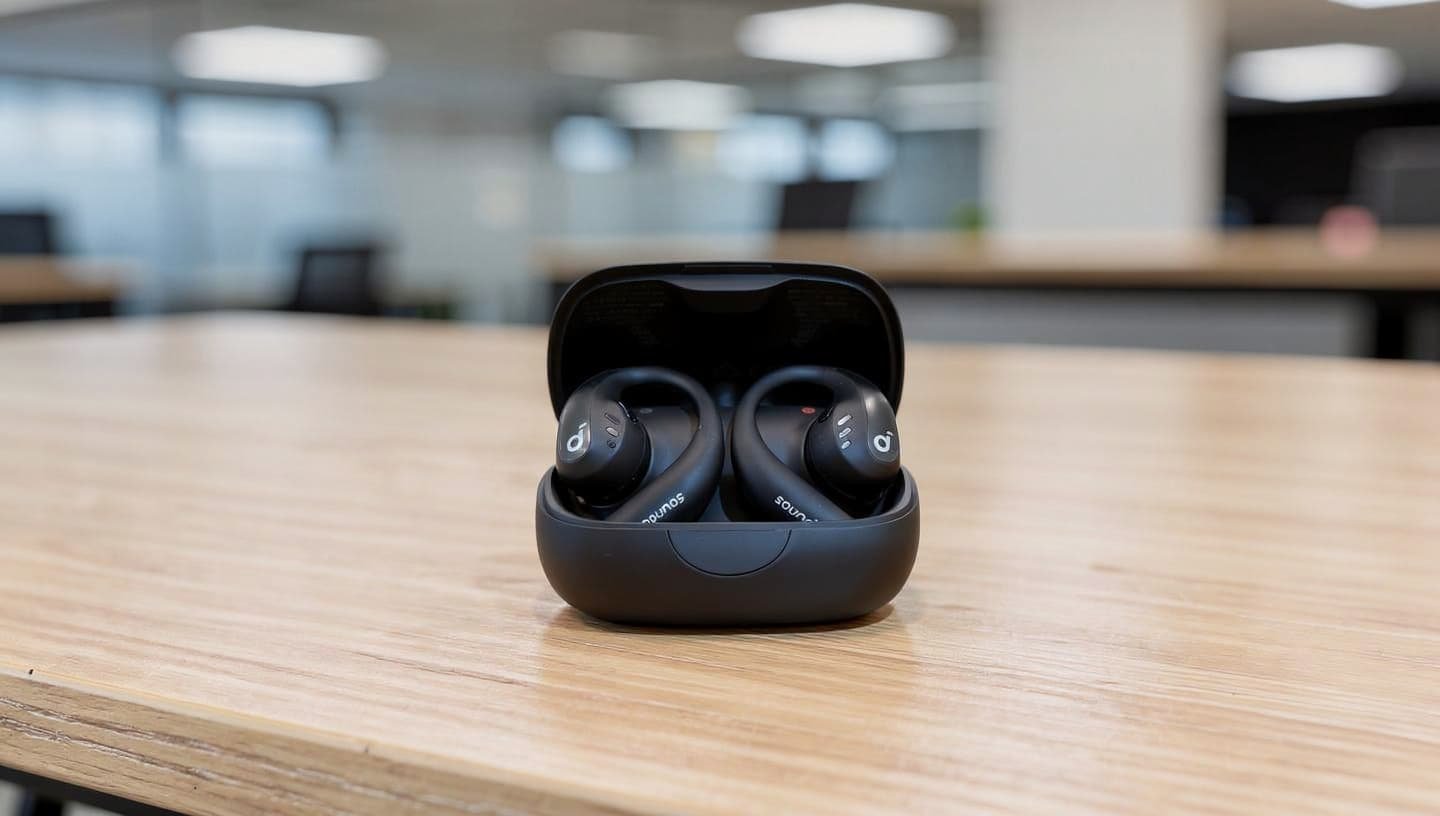
The clip design feels secure. They never budged during runs or quick head movements. Way more stable than regular earbuds. The clips don’t hurt even after an hour of wear.
Sound quality is terrible by normal standards. Zero bass. Thin, tinny mids. Weak highs. Open-ear designs can’t create a seal, so low-frequency response dies completely. They’re fine for podcasts and audiobooks where you just need voices. Music sounds hollow and lifeless.
The point isn’t sound quality though. The point is situational awareness. I can hear cars approaching, cyclists passing, people calling out. Much safer for outdoor exercise than sealed earbuds.
Battery lasted about seven hours per charge as claimed. IPX7 waterproofing handled rain and sweat without issues. Controls worked reliably.
For runners who refuse in-ear designs for safety reasons, the AeroFit makes sense. For everyone else, regular earbuds sound way better.
NC9: The Reddit Favorite
I haven’t tested the NC9 myself, but it deserves mention as TOZO’s most beloved model on Reddit. Multiple users claim their NC9s lasted four to five years with daily use.
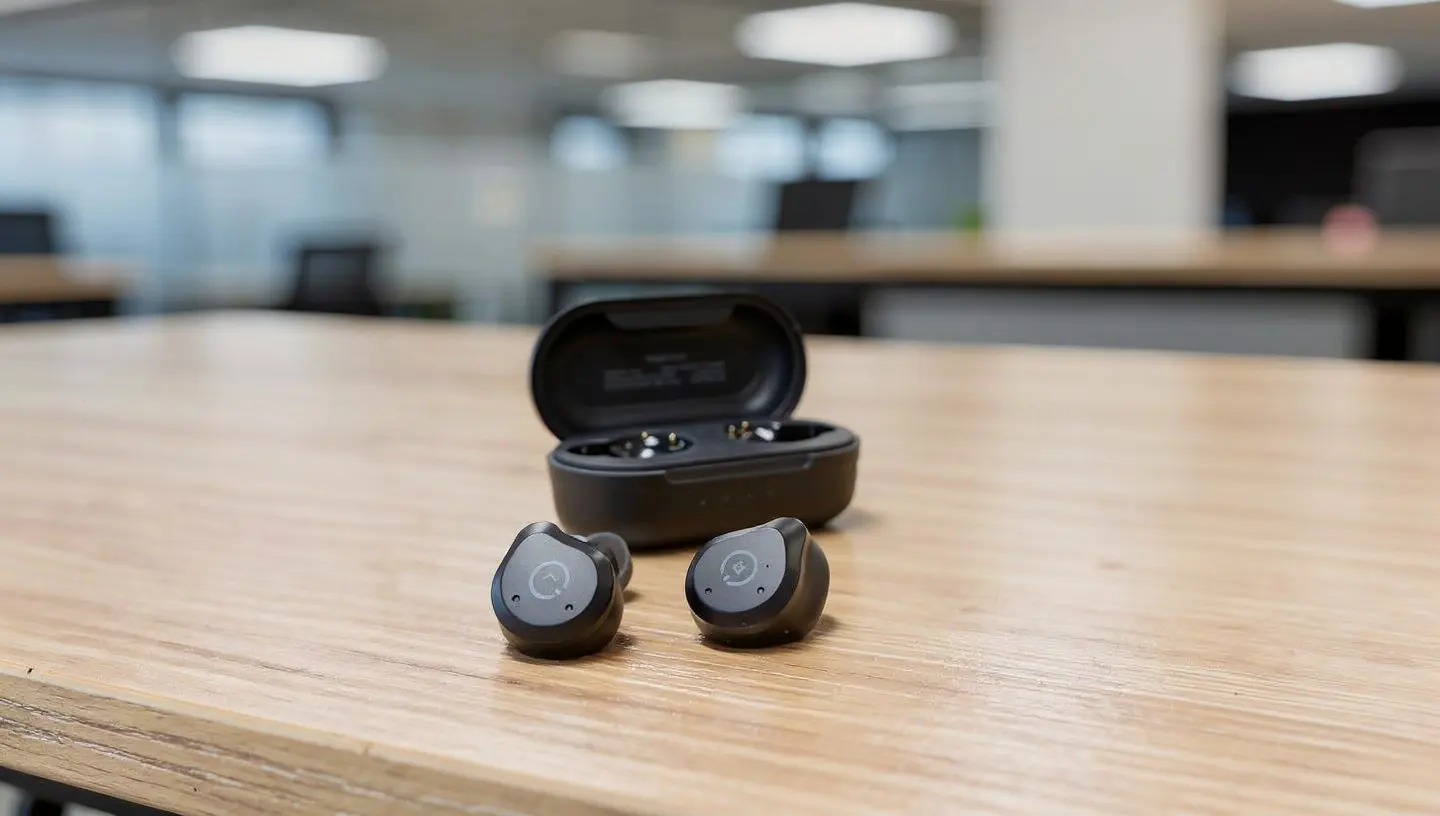
The original NC9 from a few years back didn’t have the screen on the case. The 2024 version added a digital display showing battery percentage for each earbud. Small upgrade but useful.
Reddit consensus puts NC9 above the T6 for overall quality. Better sound, better ANC, better build. At $40-50, it sits between the T6 and NC20 Pro in TOZO’s lineup.
The main complaint is the charging contacts. Some users report earbuds not charging properly because the case contacts get dirty or misaligned. A quick clean usually fixes it.
If I needed another pair of TOZO earbuds, I’d probably grab the NC9 over the NC20 Pro based on Reddit recommendations alone.
Common Problems Across Models
Battery degradation hits every TOZO product eventually. Typical lifespan seems to be 12-18 months before you notice shorter playtime. Some last longer, some die sooner. At these prices, plan on replacing them yearly.
The TOZO app works inconsistently. Android handles it fine. iOS and iPad users report frequent connection issues where the app can’t detect paired earbuds. Frustrating when you want to adjust EQ settings.
Quality control is a lottery. You might get a pair that lasts years. You might get one that fails in three months. Reddit is full of both stories. Amazon’s return policy helps since you can send back defective units easily.
The volume auto-max issue on reconnection affects multiple models, not just the T6. It’s a widespread problem TOZO hasn’t addressed. Always check volume before hitting play or risk blowing your eardrums.
Charging cases feel flimsy across the board. Hinges work but don’t inspire confidence. I baby mine because they seem like they’d crack easily if dropped on concrete.
How TOZO Compares to Soundcore
I’ve used both brands extensively. Here’s the honest breakdown.
Battery life goes to TOZO. Their claims are often inflated, but real-world performance still edges out Soundcore in most comparisons. The T6 lasts longer than the Soundcore P20i. The NC20 Pro matches the Space A40.
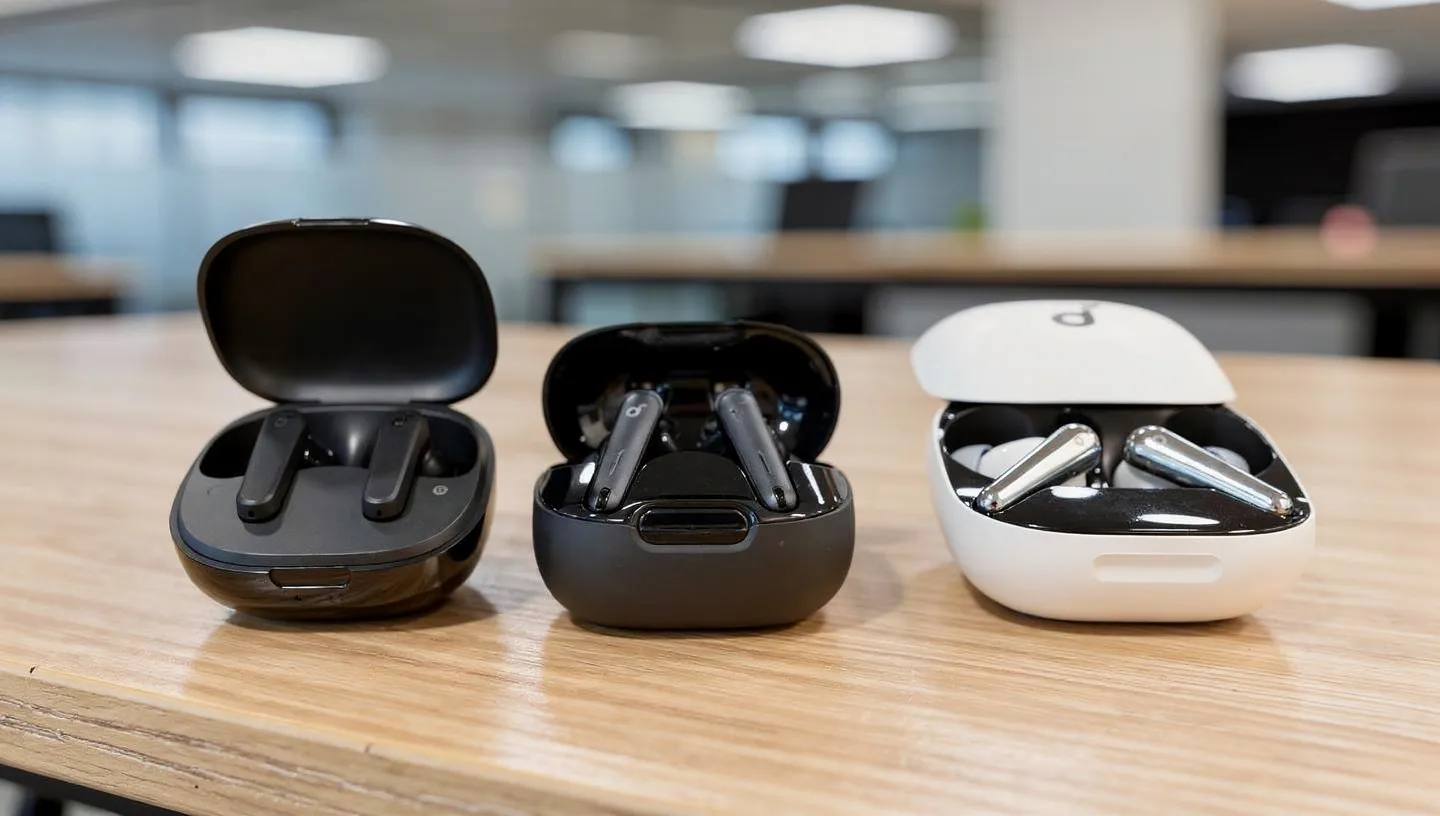
Sound quality favors Soundcore. Their tuning sounds more balanced out of the box. Less aggressive bass, clearer mids, better instrument separation. TOZO requires heavy EQ tweaking to sound decent. Soundcore sounds good immediately.
App reliability strongly favors Soundcore. Their app works consistently across all devices. TOZO’s app is buggy and unreliable, especially on iOS.
Build quality is roughly equal in the budget tier. Both use plastic everywhere. Both feel cheap but functional. Soundcore products might have slightly better fit and finish, but not by much.
ANC performance depends on the specific models compared. Soundcore Space A40 beats TOZO NC20 Pro slightly. TOZO NC9 holds its own against Soundcore Liberty 4 NC based on Reddit comparisons.
Price gives TOZO the edge. You can grab T6 earbuds for $25-30 regularly. Equivalent Soundcore models cost $50-70. If budget is tight, TOZO offers more value.
For most people, I’d recommend spending the extra money on Soundcore. Better sound and reliability are worth $20-30 more. If you’re truly broke or need disposable earbuds for the gym, TOZO makes sense.
TOZO vs SoundPEATS
SoundPEATS focuses on audiophile tuning with advanced Bluetooth chips. Their models using the QCC3091 chip sound noticeably better than TOZO products.
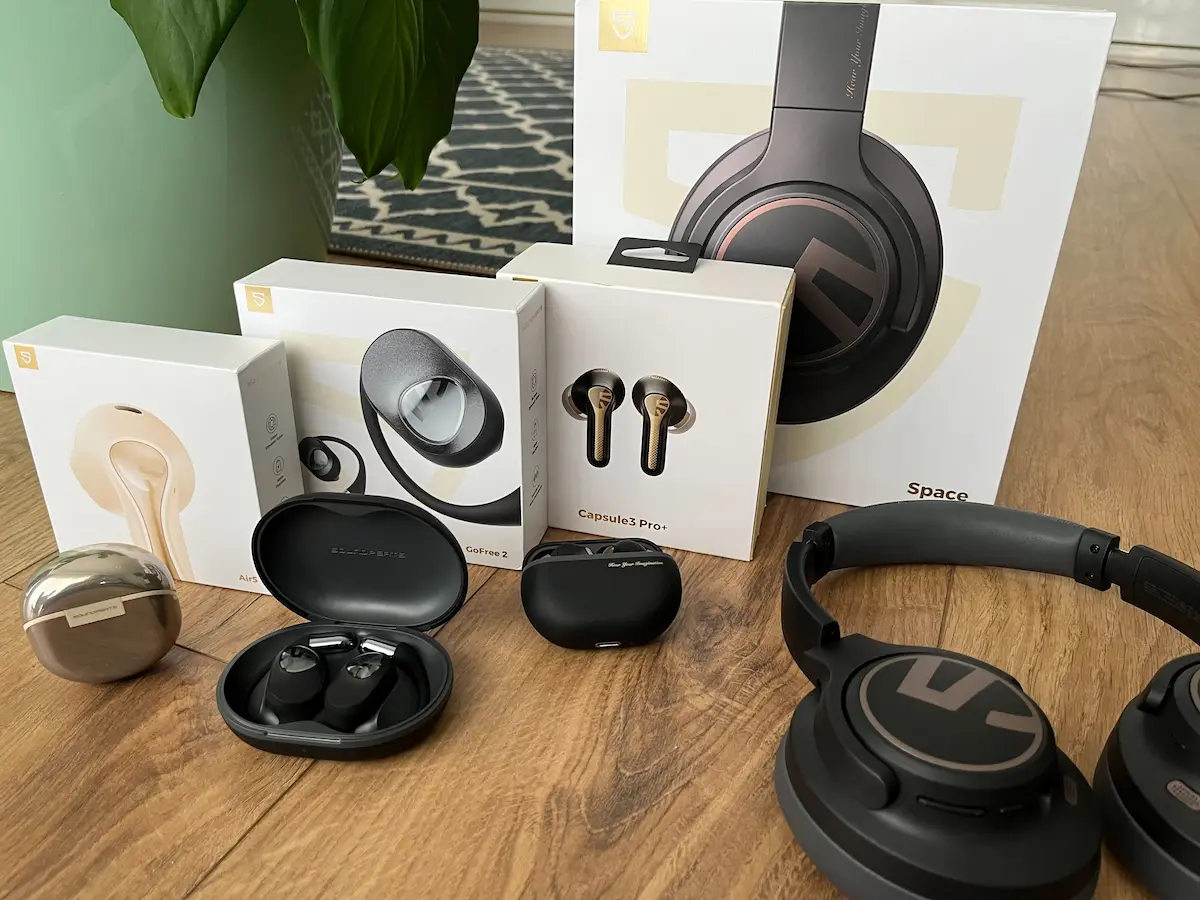
Sound quality isn’t close. SoundPEATS delivers clearer highs, more detailed mids, and tighter bass control. TOZO sounds muddier and more compressed across the frequency range.
Features favor TOZO. More models with ANC. Better battery life. Lower prices. SoundPEATS charges more for better sound but fewer extra features.
Build quality and durability feel similar. Both brands use budget materials. Both have occasional quality control issues. Reddit reports similar failure rates.
App support is equally bad. Both companies make buggy apps that frustrate users. Neither has great customer service.
For music lovers who care about sound quality, SoundPEATS wins. For casual listeners who want ANC and long battery life cheap, TOZO makes more sense. I wrote a detailed article about SoundPEATS vs TOZO, these two brands, so take a look.
Who Should Buy TOZO
Students on tight budgets will appreciate TOZO’s pricing. The T6 or T10 provide functional wireless audio for under $30. Good enough for lectures, study sessions, and casual listening without financial stress.
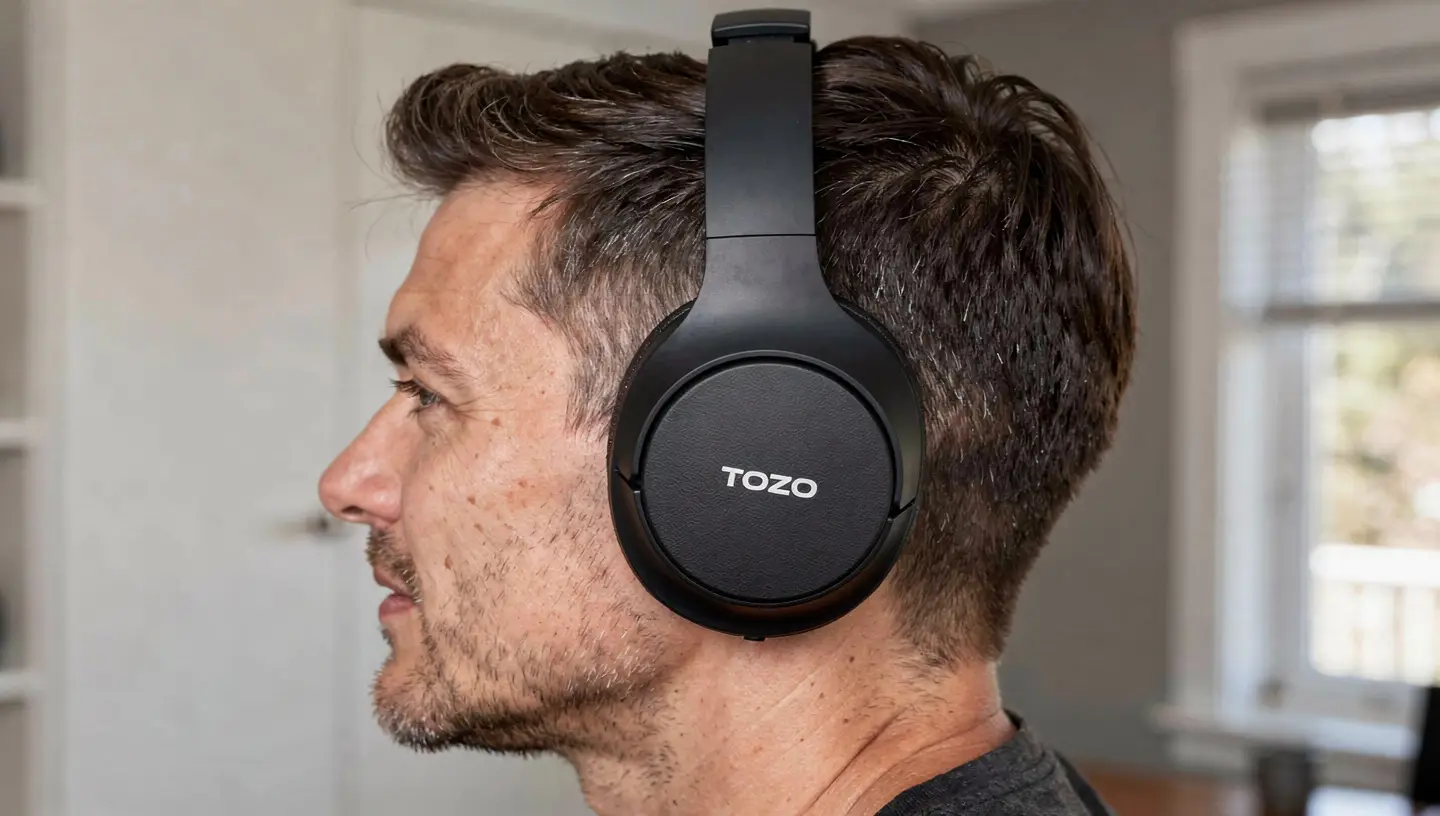
Gym-goers benefit from the aggressive waterproofing and low prices. If you lose or break earbuds frequently during workouts, replacing a $25 pair hurts less than replacing $100 AirPods.
Commuters who need decent ANC without premium prices should look at the NC9 or NC20 Pro. Not as good as Sony or Bose, but functional for blocking bus noise and train rumble.
People who want backup earbuds can grab TOZO without overthinking it. Keep a pair in your car, gym bag, or travel kit. If they get lost or broken, replacement is cheap.
Bass-heads who don’t care about balanced sound will love the T10. That aggressive low-end makes EDM and hip-hop thump harder than most budget competitors.
Skip TOZO if you’re an audiophile. The sound quality doesn’t compete with even mid-tier brands like Sennheiser or Audio-Technica. Tuning is consistently bass-heavy and muddy regardless of EQ tweaks.
Skip TOZO if you need reliable call quality. Microphones underperform across all models. Background noise bleeds through, voice clarity suffers. Get a proper headset if calls matter.
Skip TOZO if you want products that last years. Most models show wear or battery degradation within 12-18 months. They’re designed for replacement cycles, not longevity.
The Real Value Proposition
TOZO doesn’t make the best earbuds. They make earbuds that work well enough at prices where failure doesn’t sting.
My T6s survived a washing machine. My cousin’s T10s lasted 18 months of daily gym abuse. The NC20 Pro gave me usable ANC for $60. None of them sounded amazing. All of them functioned fine for their intended purposes.
The quality control lottery bothers me more than the sound quality. Some pairs last years, others fail in months. You’re gambling every purchase. Amazon’s return policy mitigates risk, but it’s still annoying.
Battery degradation is guaranteed. Don’t buy TOZO expecting multi-year lifespan. Budget for replacement after 12-18 months. At $25-60 per pair, that’s manageable.
The app needs serious work. It’s buggy, unreliable, and frustrates users across platforms. TOZO should fix this but probably won’t. Use the app initially to set EQ preferences, then forget it exists.
For someone who just needs wireless earbuds and doesn’t want to spend three figures, TOZO delivers acceptable quality at accessible prices. That’s their whole business model. Cheap gear that mostly works.
Compare them to $200 earbuds and they fall apart. Compare them to other $30 earbuds and they hold their own. Set expectations appropriately and you won’t be disappointed.

1 thought on “Is TOZO Good? I Tested Their Cheapest and Most Expensive Models”
Comments are closed.